a Long History of Failure
The Long, Endless Trail of Government Failures
Every generation inherits a familiar story: governments promise transformation, stability, and progress, only to leave behind a trail of missteps that future leaders must attempt to repair. The pattern is so persistent it feels almost structural—a reminder that institutions built to serve the public often struggle to keep pace with the world they govern. I would guess one of the biggest was the Covid-19 pandemic – as of 24 January 2026, there have been 7,107,739 confirmed COVID-induced deaths reported worldwide.
Across decades, major failures have left deep marks. Some people point to the handling of Hurricane Katrina in the United States, where delayed coordination and inadequate preparation exposed systemic weaknesses in emergency response. Others highlight the UK’s Windrush scandal, where lawful residents were wrongly detained or deported due to decades of administrative neglect. The 2008 global financial crisis revealed regulatory blind spots across multiple countries, demonstrating how governments underestimated the risks building inside their own economic systems. In many regions, long-term infrastructure neglect—aging bridges, underfunded rail networks, and fragile water systems—continues to show how short-term political cycles often overshadow long-term public needs.
Public health crises have also exposed vulnerabilities. The global response to COVID‑19 revealed gaps in preparedness, supply chain resilience, and communication strategies. Many inquiries around the world have since documented how unclear messaging, delayed action, and fragmented decision-making contributed to avoidable harm.
Environmental policy is another recurring fault line. From insufficient climate adaptation planning to decades of slow action on pollution and biodiversity loss, governments have often struggled to match scientific urgency with political will.
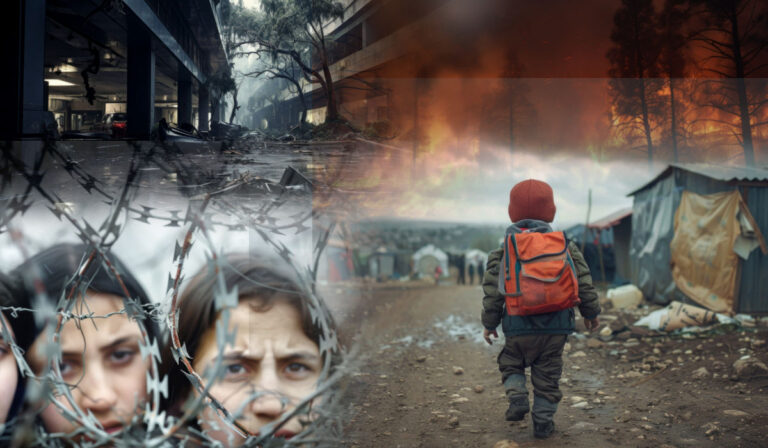
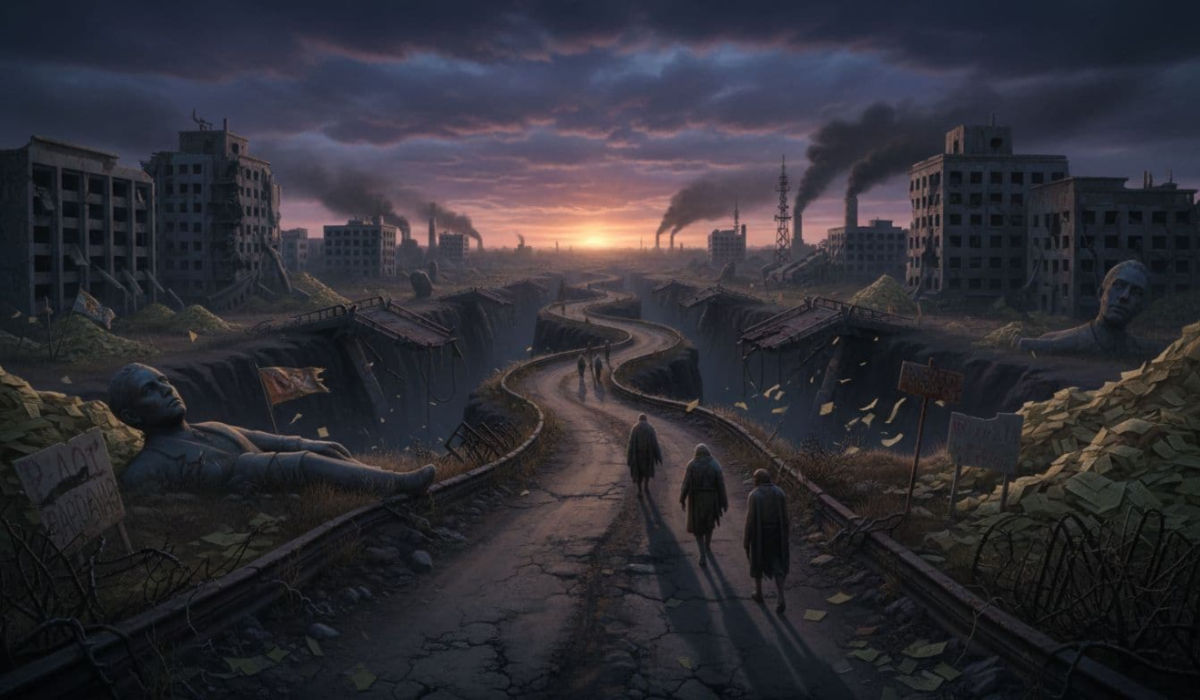
These failures aren’t isolated incidents—they form a pattern of institutions stretched thin, reactive rather than proactive, and often constrained by bureaucracy, political incentives, or outdated systems. Yet acknowledging this history isn’t cynicism; it’s a call for better design, stronger accountability, and a renewed commitment to public good.