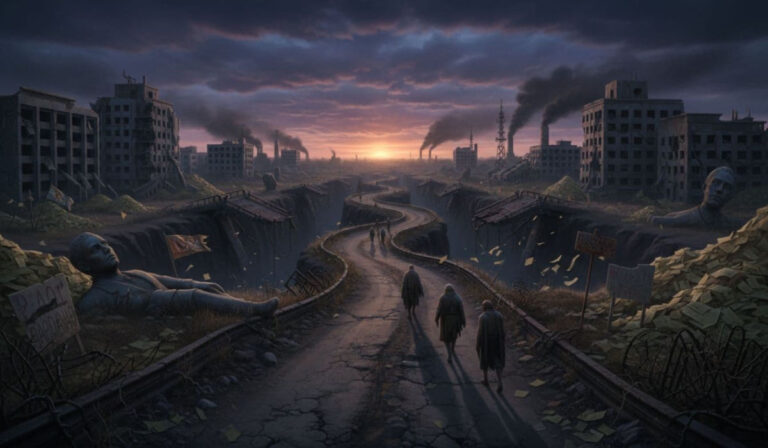
What of Our Future?
“A failing political landscape leaves people searching for a steadier moral compass. When governments drift, the need for a guiding ethic grows sharper, yet no credible alternative seems ready to lead.”
Or does it?
From a human point of view, that assessment can sound right. Many look around and see no clear guide towards peace, safety, justice, fairness, and clean government. Over time, people have tried almost every form of rule, from kings and councils to dictators and parliaments. Yet society still feels hard to govern and hard to trust. The need for direction remains.
Two routes sit in front of us. One slopes down towards more violence, crime, bribery, unfair courts, religious and political double-talk, fierce nationalism, and the steady use of the poor for profit. Many warn that this road ends in disaster.
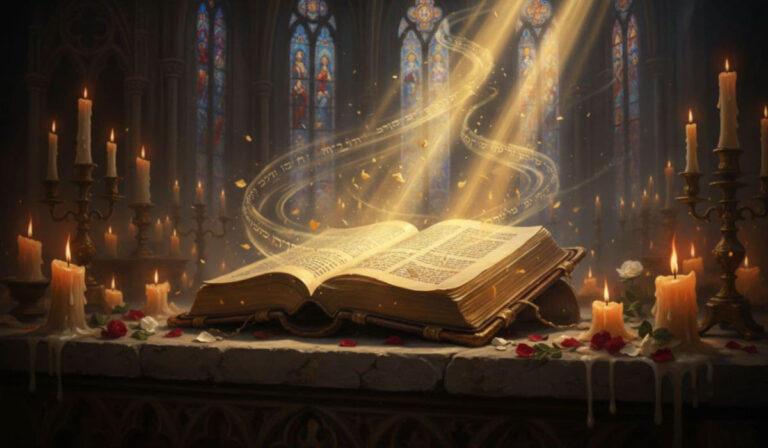
The other route is a steep climb towards a better world, built on God’s standard for rulership as set out in the Bible. It is demanding because it calls for moral backbone, self-control, and a spiritual view of life. It also requires humility, a willingness to accept the Creator’s authority and to seek righteous rule from him.
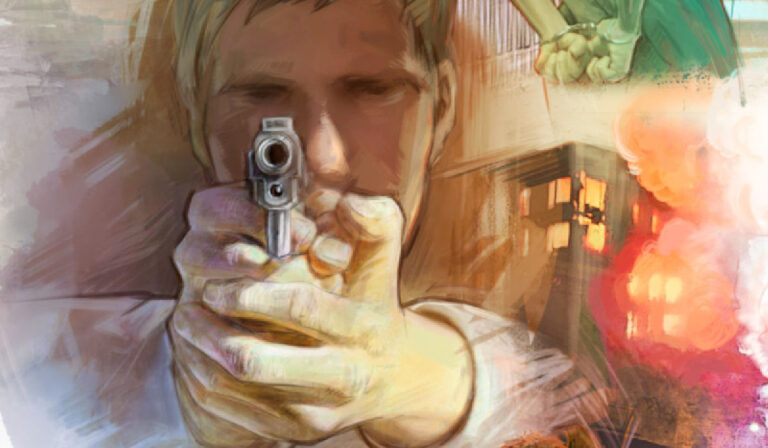
Who Pulls the Trigger on Hatred?
Humanity on its own cannot fix the world for good. Greed, corruption and cruelty are organised, well-funded and widespread. Ancient Bible writers stated a hard truth: “… humans are not fully able to direct their own path in a way that benefits everyone.” Alongside human weakness sits an unseen enemy, a spiritual opponent (Satan), who stirs fear and anger and then pushes people to act on it. When tensions are high, it takes little to spark mass violence.
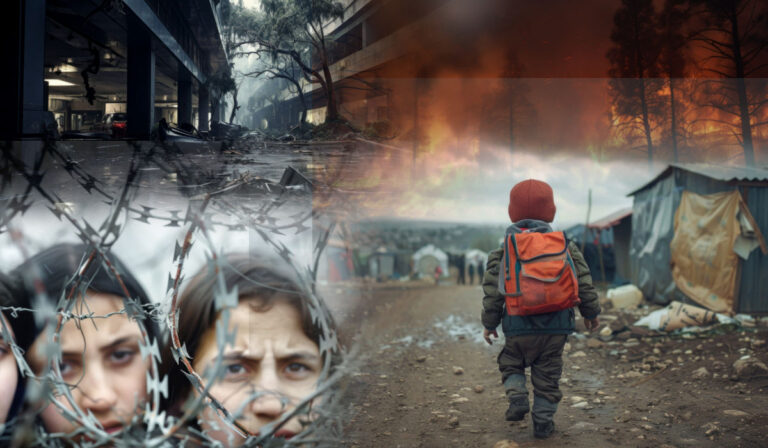
To light that fire, Satan promotes ideas of national, tribal, and religious superiority. Such thinking often starts early, passed down in families shaped by long tradition. Schools, political movements, and religious leaders can reinforce it. In time, many grow up with suspicion and contempt already lodged in their thinking. When opportunists want power, they use slogans and simple messages to switch anger into action. The result can be mob attacks, forced removals, and campaigns of ethnic violence.
A well-known military historian, Eli Barak, warned that religious extremism could play a larger part in future wars than it has for centuries in many Western countries. In that sense, religion can fail its highest purpose. Instead of calming tensions and lifting people’s standards, it can be used to justify hate, conflict, and killing.
A Different Future Is Promised
If humanity is to live in a fair new world, people must accept divine teaching and practise peace. The Bible points to a time when nations will settle disputes without war, and tools of harm will be reshaped into tools for work and food. That vision includes education in peace, justice, and respect for life.
About nine million (9,000,000) people worldwide already strive to live that way. In times of tribal violence, some chose to die rather than kill fellow worshippers from another background. Under harsh regimes, some accepted camps and punishment rather than take up arms. In many countries, some have chosen prison over military service because they refuse to learn war.
Jehovah’s Witnesses say they have found this peace through Bible teaching and by following the example of the Christian faith’s central figure, the Teacher from Nazareth, Jesus. His command was direct: his followers must love one another in a way others can see. Where that love is practised, old divisions lose their power. Former rivals can work side by side, even in places marked by deep religious tension. The change is real when people stop treating neighbours as enemies.
The Witnesses also believe that God’s promised new world is close and that it will be governed from heaven. They base this hope on Bible prophecy – all of which has come true thus far – that speaks of a lasting government that will replace human rule and bring righteous order.
God’s Promised Action
The Bible shows God as a ruler who can be trusted, a God who does not lie. It promises a future in which righteousness has a permanent home and where suffering and fear are removed. That hope is not framed as a vague dream but as a firm commitment tied to God’s character.
Before that future becomes fully real on earth, the Bible also describes a major clean-up. It speaks of an end to the influence of the spiritual enemy and the systems that support injustice. The Bible refers to this final conflict as Armageddon, the point at which God brings an end to entrenched wickedness!
At this point, it’s worth remembering how God once cleansed the earth of overwhelming evil. Think of Noah: he warned everyone about the coming flood, urging them to turn from their corruption, yet they only mocked him and carried on as if nothing would change. When the waters finally rose, Noah, his family, and the animals he had protected were the only ones that survived. Those who ignored the warning were swept away to their deaths… a stark reminder of the cost of refusing to listen!
Dates on a calendar are not the main issue. Different cultures measure time in different ways, and human timetables have often failed. What matters is the present choice. Now is the time to test what God wants, using his Word, and to act on it. Each person chooses either a future shaped by God’s rule or a path that brings frustration, division, fear and ultimately death!
Choose God’s way. Choose life.