a warning from the past?
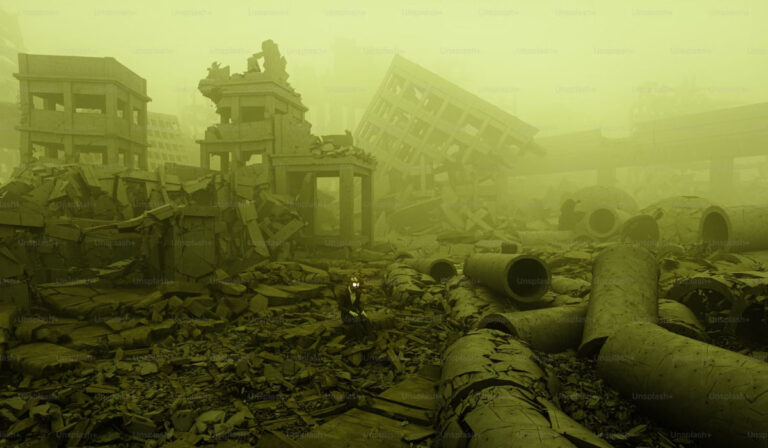
Human history records many disasters, yet the Flood in Noah’s time stands apart in scale and impact. Accounts of a massive flood appear across the world, from Babylonia and India to Australia and the Americas. Details vary, but key themes repeat: a moral collapse, widespread destruction, and a family saved in a vessel. That kind of shared memory points to an event that left a deep mark on human thinking.
What Genesis says led to the flood.
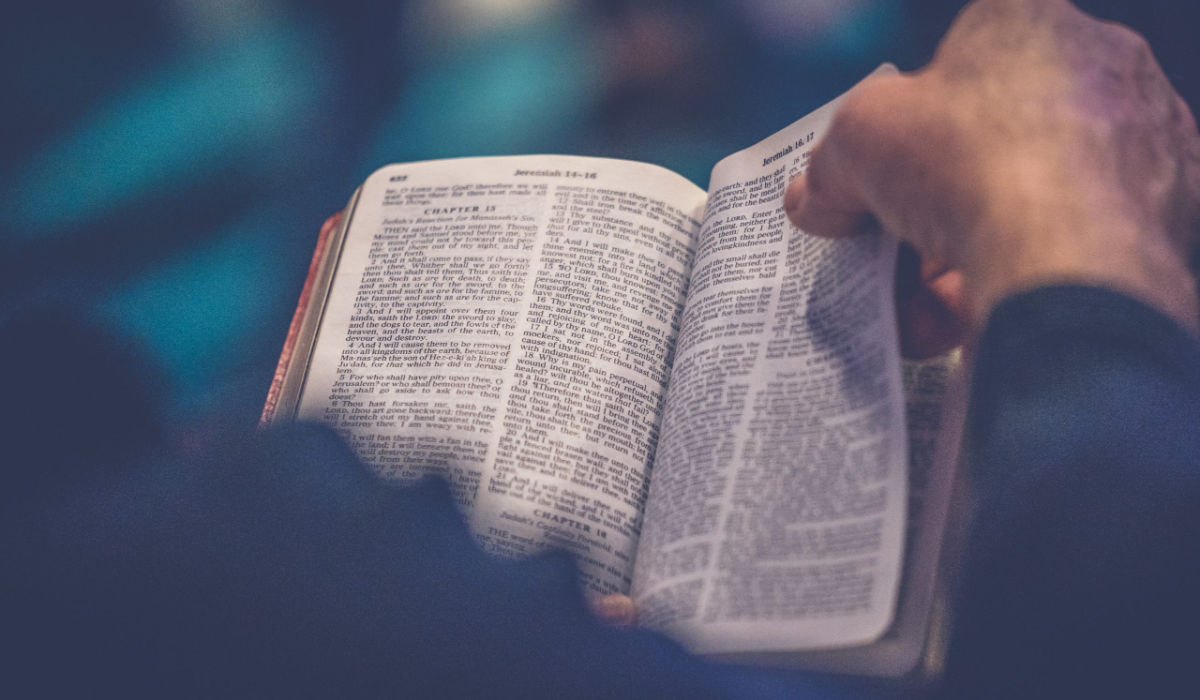
Genesis describes a society sliding into corruption and violence. It says, “Jehovah saw that the badness of man was abundant in the earth, and every inclination of the thoughts of his heart was only bad all the time.” It also says the earth was “ruined” because people had ruined their ways (Genesis 6:5, 12). As a result, violence filled daily life, and people focused on appetite, pleasure, and possessions.
Jesus later highlighted the same mindset: “They took no note until the flood came and swept them all away” (Matthew 24:39). Noah warned for years, yet most people carried on as normal and ignored the warnings.
Parallel conditions in the last days
Since World War I, violence has spread through war, streets, and homes. At the same time, many cultures promote sex and material gain as top aims. Paul’s description of “the last days” matches this decline, with people becoming “lovers of themselves, lovers of money… lovers of pleasures rather than lovers of God” (2 Timothy 3:1-4). Jesus also spoke of lawlessness and fear shaping public life (Matthew 24:12, Luke 21:26).
Survival is still possible
Noah’s family survived because they listened and acted. Genesis says, “Noah found favour in the eyes of Jehovah” and proved faithful among his contemporaries (Genesis 6:8 to 9). Scripture also points to survivors in our day, people who seek righteousness and meekness. The warning remains clear: reject violence and self-indulgence, and live in a way that shows respect for God (Zephaniah 2:3).