Not Just a Dream
If you had followed Mazdaism (a Persian religion emerging around 600 B.C. under the prophet Zoroaster, centred on devotion to the supreme deity Ahura Mazda and a cosmic conflict between the good spirit Spenta Mainyu and the evil spirit Angra Mainyu), you might have waited for a day when the earth regained its first beauty. If you had lived in ancient Greece, you might have pictured the peaceful Fortunate Isles.
Or you might have hoped for the return of the Golden Age described by Hesiod in the eighth century B.C.E. In South America, a Guaraní person may still search for the Land Without Evil. And in our own time, many people expect progress through political ideology or through stronger ecological awareness, believing that these approaches can lead to a more just and sustainable society.
Golden Age, Fortunate Isles, Land Without Evil – these labels point to the same desire. People want a better world.
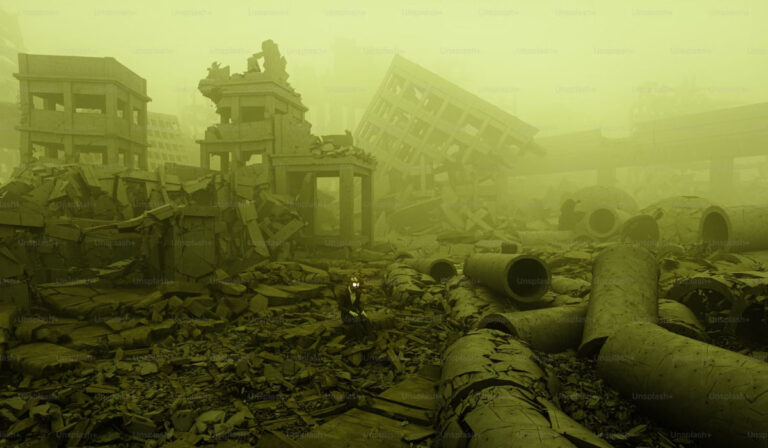
Yet the world we live in falls far short of that hope. Crime grows harsher, and wars pit neighbour against neighbour with shocking force. Genocide, coldness toward suffering, poverty, hunger, unemployment, and weak community ties all add to the strain. Then there are ecological problems and illnesses that medicine still can’t cure, such as climate change and antibiotic-resistant infections, which exacerbate the challenges faced by society. The list of today’s troubles feels endless. Looking at current conflicts, an Italian journalist asked whether hostility has become our strongest feeling.
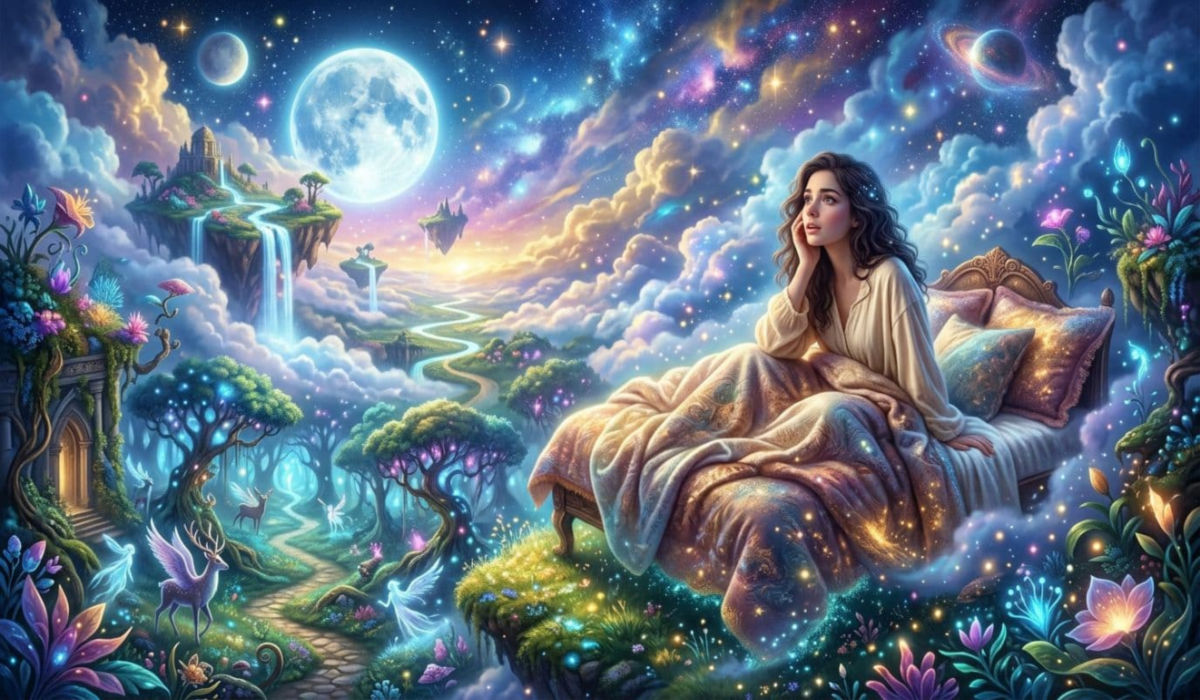
So is it reasonable to expect something better? Or does this hope amount to a utopia, a dream that never becomes real? Are we already living in the best of all possible worlds?
These questions aren’t new. For centuries, people have imagined a society shaped by harmony, justice, shared prosperity, and love. Over time, philosophers have outlined their versions of ideal states and better worlds, and endless governments have attempted to implement these visions through various political systems and reforms. However, their plans rarely answer the fundamental question: how would such a society work in practice?
So what can we learn from this long record of hopes, Utopias, and plans for a better society?