so why are we here?
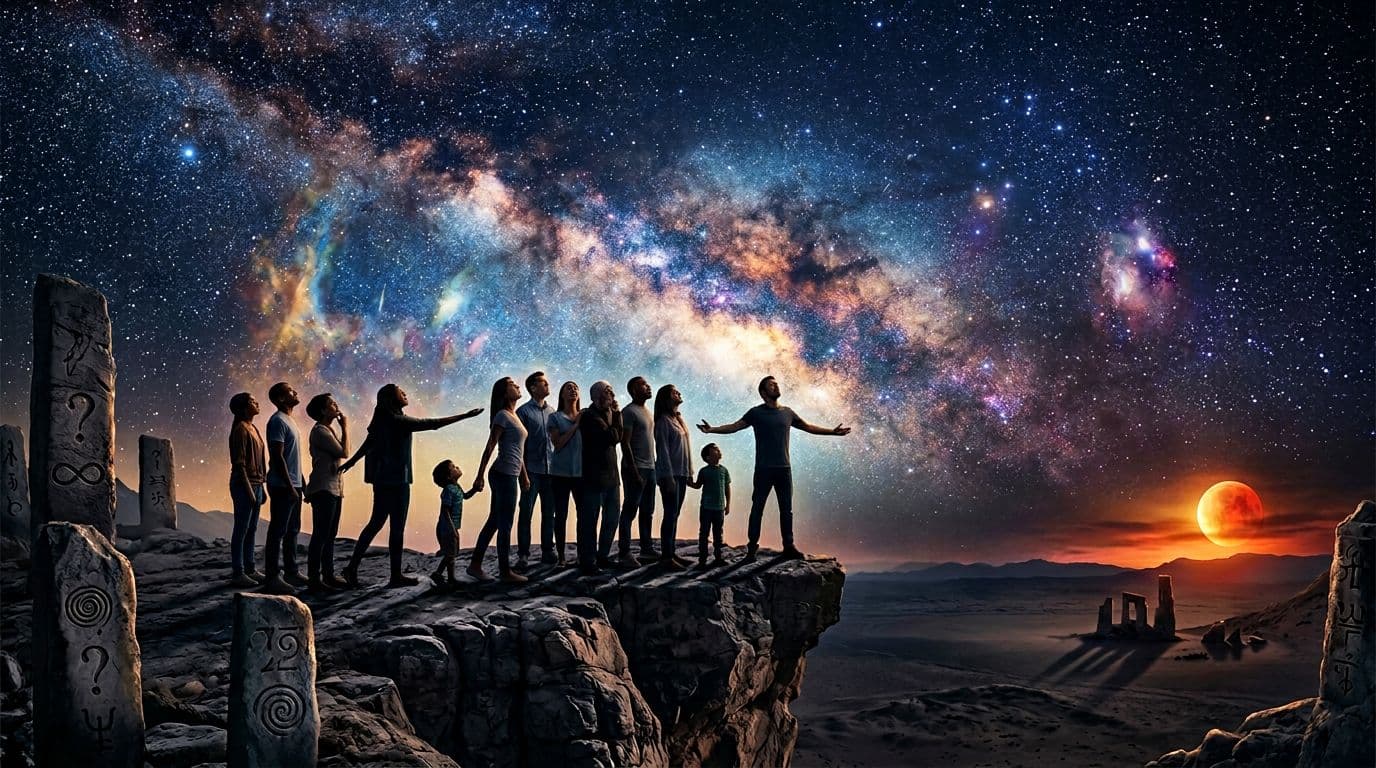
Life can be good. Even with today’s pressures, most people still find reasons to live, and they’ll fight hard to keep that life. Yet, across the human family, lasting happiness keeps slipping away. Trouble returns in every country and community, bringing anxiety, frustration, and sometimes deep grief and depression.
That repeated pattern suggests something is out of order. And if it didn’t start yesterday, it must have started somewhere, at some point in time.
A family problem
Read history one century at a time, and you’ll see the same themes appear again and again: violence, war, injustice, poverty, hunger, and disease. Records get thinner the further back you go, but the pattern stays consistent.
Modern science also supports a single human family. Many researchers point to a shared origin, based on anatomy, fossils, blood studies, and genetics. In simple terms, humans differ in many ways, but we still belong to one family tree with a common base.
The one source that claims to reach the start
Secular history can’t take us to humanity’s beginning, because its timelines fade as you move further back. The Bible, however, reaches back earlier and offers a continuous story with names and time markers.
It also attempts something most ancient records avoid; it explains where human suffering began and why it became a permanent feature of human life. Without any account of beginnings, people are left with opinions, and those opinions clash. So it’s reasonable to weigh up the Bible’s explanation and ask whether it holds together.
A strong start for humanity
In the Bible’s account, the first human pair, Adam and Eve, began life without flaw, and their Maker acted with care and purpose. They didn’t start in harsh conditions. They began in a garden home with food, safety, and meaningful work.
They also had a clear aim, to fill the earth with people and extend those garden-like conditions. Nothing about the picture suggests neglect. It fits a basic human hope, a world that’s clean, well-kept, and free from hunger, where healthy people do worthwhile work.
Yet that hope remains out of reach. Progress often brings new damage, including pollution and strain on nature. The Bible places the root cause in human choices, not a lack of care from above.
A simple test of what’s good
The story includes one clear limit; one tree was off-limits. If the couple ignored that command and ate its fruit, they would positively die.
That boundary wasn’t random. Good parents don’t only provide food and shelter; they also teach right and wrong, because conduct shapes happiness. When guidance disappears, chaos often follows. Many families can see the cost when basic limits collapse.
In the same way, the account presents the command as a lesson in respect for the life-giver and his guidance. Disrespect wouldn’t lead to freedom; it would feed pride, selfishness, and ingratitude. By contrast, respect would keep people open to wisdom and steady direction, and it would support a life where others matter too.
The tree, then, stood for a bigger issue: who has the right to define what is good and bad for humans? The test itself was simple and fair. It involved an everyday act, eating, so the choice couldn’t be missed. And it didn’t deprive them; the garden offered many other trees.
Freedom to choose
The account also says the first couple had the gift of freedom of choice, and that matters because love that’s forced isn’t love. If obedience is automatic, loyalty becomes mechanical.
People accept this in daily life. A kind act means more when it’s freely given. Similarly, willing obedience has a value that forced compliance can’t match.
How rebellion took hold
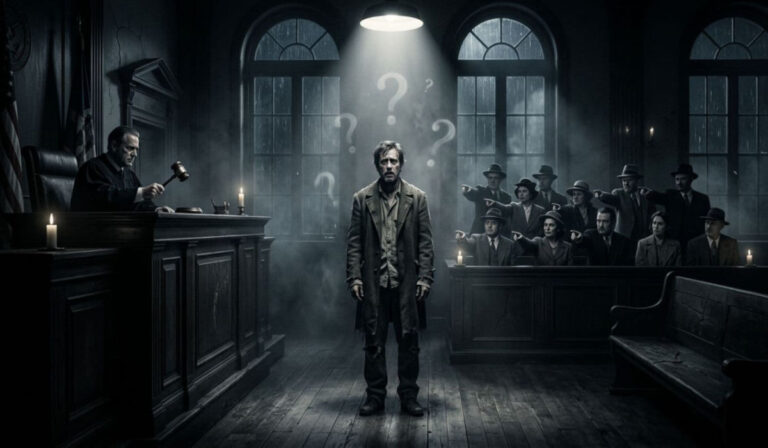
The account says the couple chose to disobey. That may sound unlikely, but betrayal isn’t rare. People turn on partners, children turn on parents, and neighbours turn on neighbours. Often the spark isn’t truth; it’s suspicion, half-truths, and stirred-up desires.
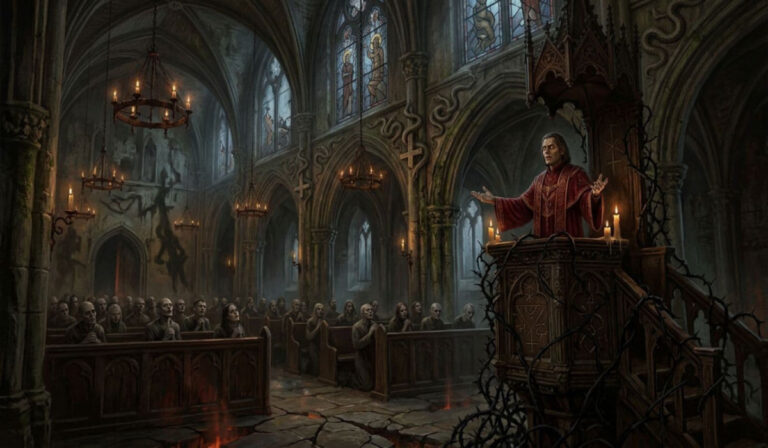
In the story, Eve faced persuasion from a rebellious spirit creature… Satan, who took on the form of a snake. Doubt grew, and she began to view the Creator as unfair, as if he were holding something back. She crossed the boundary and ate what was forbidden. After that, Adam followed.
The consequences of disloyalty
Small actions can trigger large outcomes. A design error can bring down a building. A hidden crack can break a dam. Likewise, one choice can set a direction for generations.
In this telling, Adam’s disloyal decision pushed the human family into moral decline and eventual death. The logic is straightforward: people reap what they sow. Having lost the perfection he started with, Adam couldn’t pass it on. As a result, his children inherited weakness, sickness, and death.
The story frames the blame on human decisions, not on God. It argues that humanity was made perfect in every way, but people chose harmful paths … and they still are today!
Even so, a difficult question remains… If God didn’t start human suffering, why has he allowed it to continue for so long? The Bible says the answer connects to humanity’s long-term good, not indifference.