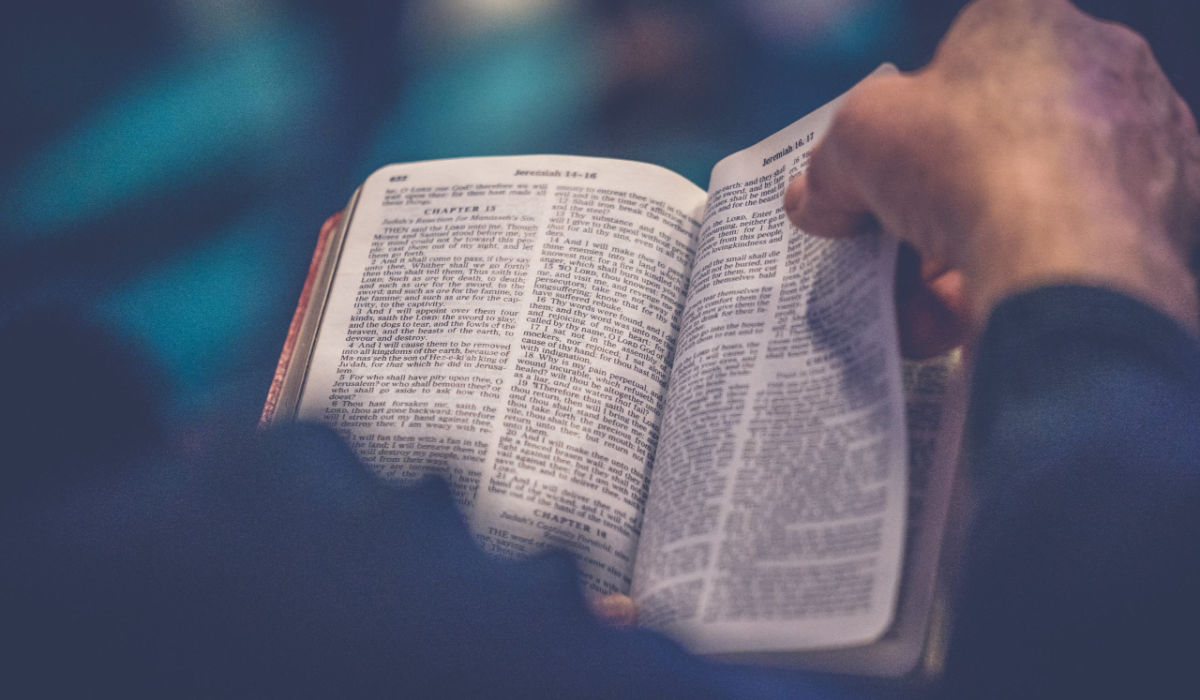
the Original Guide for Life
Trends change, advice shifts, and yesterday’s “must-read” soon gathers dust. Yet the Bible keeps finding its way back onto kitchen tables, hospital chairs, and bedside lockers.
It has been here for centuries, still read aloud, still argued over, still trusted. Not because it’s fashionable, but because it speaks to the things people can’t escape … right and wrong, hope and regret, love and loss.
If you want a guide that outlasts human hype, start here.
Why the Bible has lasted when other books fade
The Bible has survived because people kept it close and kept it shared. Translators worked so everyday people could read it in their own language. Copyists treated the text with care, then communities read it publicly so it couldn’t be quietly changed.
Also, families passed it down because it mattered at the key moments … births, weddings, funerals, and times of crisis. Over time it shaped law, art, music, and common sayings. Even people who never open it still borrow its words and ideas.
Most importantly, people across cultures return to it in hardship and celebration. When life feels unfair or confusing, they look for a steady voice.
- The Bible doesn’t stay alive by novelty … it stays alive by its continued relevance and accuracy.
It speaks to real life, not just ideas
The Bible addresses guilt and forgiveness in a way that doesn’t excuse harm, yet doesn’t trap you in shame. It talks about fear and courage with the kind of honesty you need on a hard Monday. It also speaks about money and generosity, not as a trick, but as a test of what you love.
Friendship and conflict show up too, because people disappoint people. It gives language for apology, patience, and truth-telling. When loss hits, it doesn’t offer shallow comfort. Instead, it makes room for grief, then points towards hope.
A guide for life, not a book you read once
Some books inform you, and then you move on. The Bible aims to form you. It presses on character, choices, and priorities, especially when no one is watching. It calls people towards wisdom, purpose, love, justice, patience, and self-control, not as slogans, but as habits.
Because it deals with the human heart, it stays relevant. It challenges pride that says, “I don’t need anyone.” It also confronts despair that whispers, “Nothing will change.” In other words, it meets people at both ends of the emotional scale, then calls them back to a steady path.
What people gain when they take it seriously
People often make steadier decisions because they stop chasing every new opinion. Relationships can grow healthier because honesty and forgiveness become normal, not rare. A stronger conscience follows, since right and wrong stop being a mood. Hope can last longer than circumstances, which helps on the worst days. Many also find clearer meaning, since life becomes more than comfort and achievement.
A simple way to start reading the Bible today
Start small so you can stay consistent. Choose a short book; many begin with one of the Gospels because it focuses on Jesus’ life and teaching. Read a small section each day, then pause.
Write one sentence on what it shows about God and what it shows about people. Next, pick one action to practise that day: a phone call, an apology, a generous choice, or a calmer response. Ask honest questions as you read. If possible, read with a friend and talk it through.
Conclusion
The Bible has endured because it keeps proving itself in real life. It surpasses human expectations, not by promising ease, but by offering a trustworthy guide for how to live. If you’ve never opened it, or you stopped long ago, try again. Put its wisdom to the test in your daily choices, then see what changes.