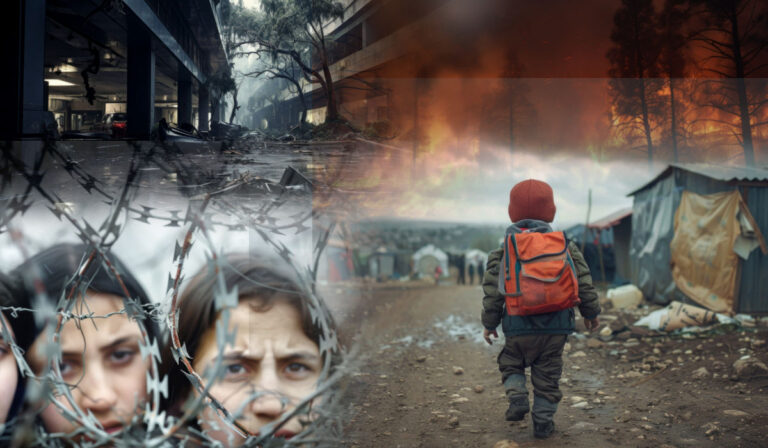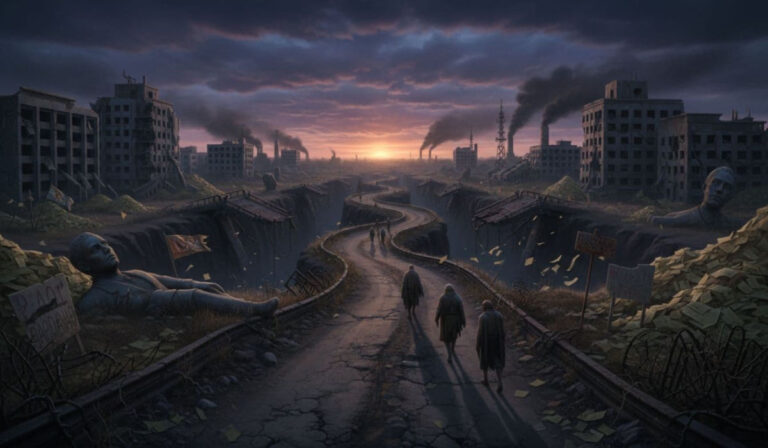
What’s gone wrong?
Earth could be an amazing place to live. Even with everything going on today, most people still find moments of joy — enough that they cling to life fiercely. Only a small fraction ever reach the point of giving up entirely.
But real, lasting happiness? That’s something humanity as a whole has never quite managed. No matter how good life gets, something bad always seems to break through — stress, uncertainty, heartbreak, disappointment. These problems don’t respect borders or cultures; they show up everywhere. And today, the scale of global trouble feels bigger than ever.
So what’s gone wrong? Clearly something is off‑balance with humanity itself. And if things are broken now, they must have broken somewhere and sometime in the past.
A Human Family With a Long History of Trouble
If you flip back through history—century after century—you see the same patterns repeating: violence, war, oppression, poverty, hunger, and disease. The faces and nations change, but the problems don’t. Modern science agrees that we’re all one human family, descended from the same ancient ancestors.

“If you trace humanity back far enough, we all meet at the same root of the family tree. That ancestor was ‘Adam’—the name simply means “man” in Hebrew — but the point is the same: humanity started from a single source.“
The One Record That Claims to Go Back to the Beginning
Secular history only reaches so far. It fades out around the third millennium BCE. But the Bible presents itself as a continuous historical record stretching all the way back to humanity’s beginning. Whether or not someone accepts it as sacred, it’s the only ancient text that attempts a full, dated genealogy from the first humans onwards.
And it’s also the only source that tries to explain why human suffering began — why pain, disorder, and death became universal human experiences.
So, if we ignore that explanation, what are we left with? Just human theories and guesses (the evolution & the Big Bang theories), none of which agree with each other. Given how big the question is, it’s at least worth hearing the biblical account out.
A Good Start — and a Clear Purpose
According to the Bible, God created the first humans—Adam and Eve—as perfect beings, physically and mentally. He placed them not in harsh wilderness but in a beautiful garden full of food, meaningful work, and a clear mission: expand that paradise across the whole earth.
Even today, that’s still humanity’s dream — a peaceful, abundant world where people thrive. So why haven’t we achieved it? Why have our attempts to improve the world often backfired, damaging the planet and destabilising ecosystems?
The Bible says the answer lies in what happened next.
A Simple Test With Big Meaning
Most people know the story: one tree in the garden was off‑limits. Eating from it meant death. But the point wasn’t the fruit — it was the principle.
Good parents don’t just feed their kids; they teach them values, boundaries, and reality. Without that guidance, chaos follows. The Bible presents God doing the same: giving humans a simple, daily way to show respect for his guidance.
The tree symbolised God’s right to define what is good and bad for his creation. Avoiding it wasn’t restrictive — they had an entire garden of abundance. It was simply a small, clear way to demonstrate trust and loyalty.
Freedom — Because Love Can’t Be Forced
The Bible also emphasises that humans were given free will. Without the ability to choose, love and loyalty would be meaningless. Real love requires freedom — the freedom to say yes, and the freedom to say no.
And humanity’s first choice was disobedience.
It may seem shocking, but human history shows we’re capable of turning against even those who love us most — partners, parents, children, neighbours. Propaganda, fear, and selfish desire can twist people in terrible ways.
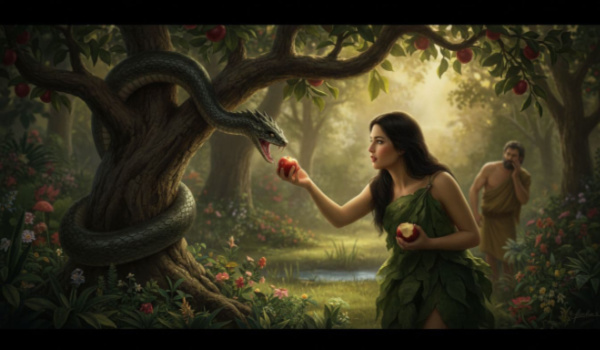
The Bible tells us Eve was deceived by a rebellious spirit creature, Satan, in the form of a snake. She foolishly believed him and so let distrust grow, and Adam followed her lead.
The Ripple Effect of One Bad Choice
We know how small mistakes today can cause massive damage — a single engineering flaw can collapse a building, and one corrupt leader can destabilise a nation.
In the biblical account, Adam’s choice had a similar ripple effect. By stepping outside God’s guidance, he lost the perfection he had—and could only pass on imperfection to his descendants. As the Bible puts it, humanity inherited sin and death through him.
Just as a parent today who damages their own health can pass consequences to their children, Adam’s decision affected everyone who came after him.
But the Bible is clear: God didn’t cause the suffering. Humans did. “God made mankind upright,” Ecclesiastes says, “but they have sought out many plans.”
So Why Hasn’t God Fixed It Yet?
If God didn’t start human suffering, why hasn’t he ended it already?
The Bible tells us the reason isn’t indifference—it’s patience, purpose, and long‑term care for humanity’s future. God has been allowing time to settle the deeper issues raised by that first act of rebellion.
🌱 God delays ending human suffering to allow time for a moral issue to be settled and for people to demonstrate where they stand.
- Human suffering began with an act of disloyalty, not because God lacked care.
- Ending suffering immediately would not address the underlying question raised by that first act: Can people remain loyal to God by choice, even when doing so is costly?
- By allowing time to pass, God gives humanity the opportunity to show whether they will choose integrity, spiritual priorities, and trust in him rather than repeating Adam’s pattern.
- This delay is framed not as indifference but as patience—time granted so that people can benefit from the eventual resolution rather than be swept away by it.
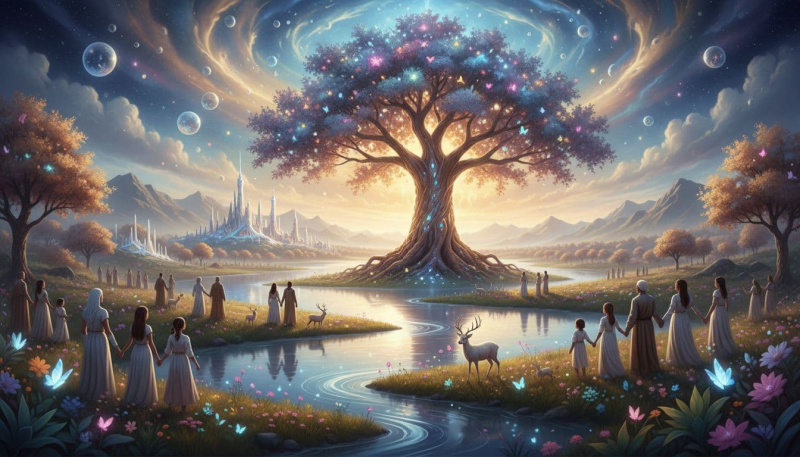
So, God waits because the waiting itself serves for humanity’s long‑term good: it allows the consequences of disloyalty to be fully understood and gives people the chance to align themselves with what leads to “everlasting life”.