overcoming the scars of conflict
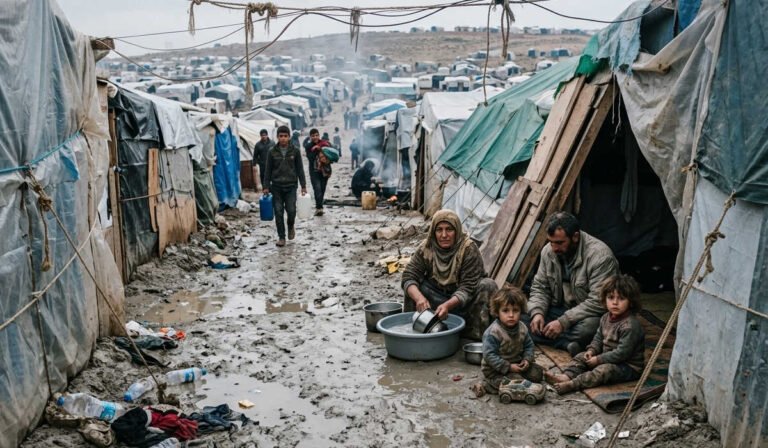
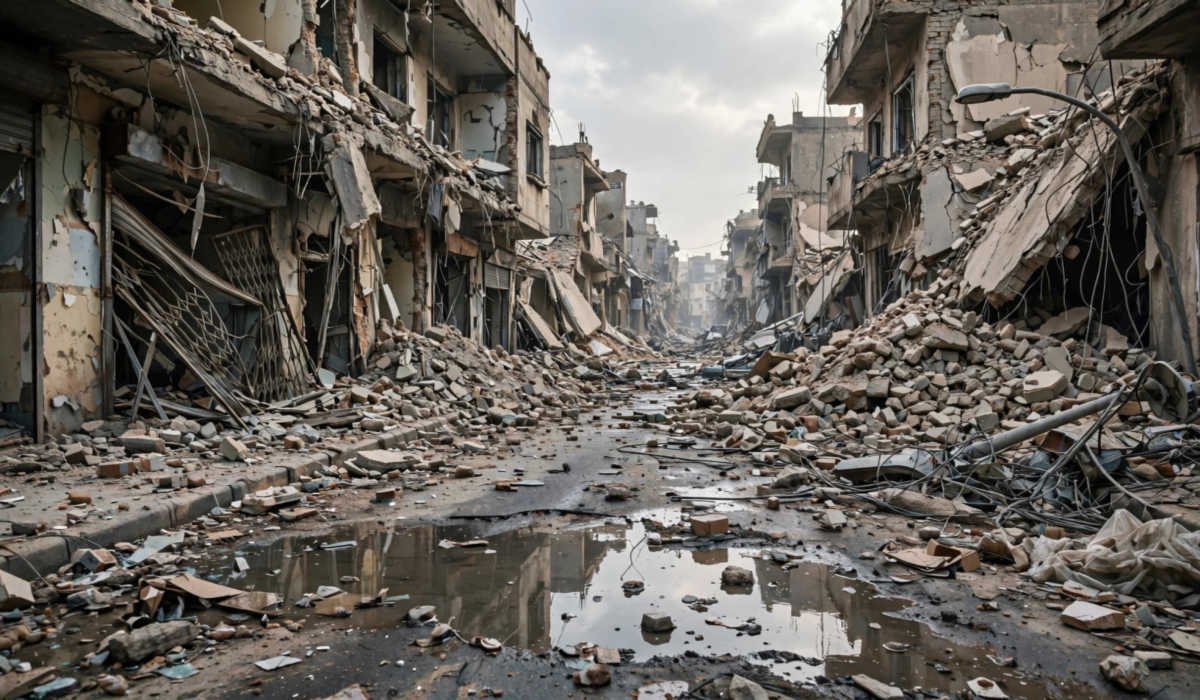
Over 117 million people worldwide remain forcibly displaced from their homes. They’re fleeing destroyed houses, systemic violence, and shattered communities. Families face deep psychological trauma while fragile healthcare systems struggle to care for wounded populations. War leaves an enduring legacy of poverty, destabilised generations, and broken social infrastructure.
The human cost of displacement
When war breaks out, life turns upside down in an instant. Millions of families are forced to pack up their lives and run for safety. They aren’t just leaving physical structures behind; they’re losing their history and security. It’s heart-wrenching to think about children missing out on basic education because their schools lay in ruins. Nobody should ever have to abandon everything they know just to survive.
Impact on health and mental well-being
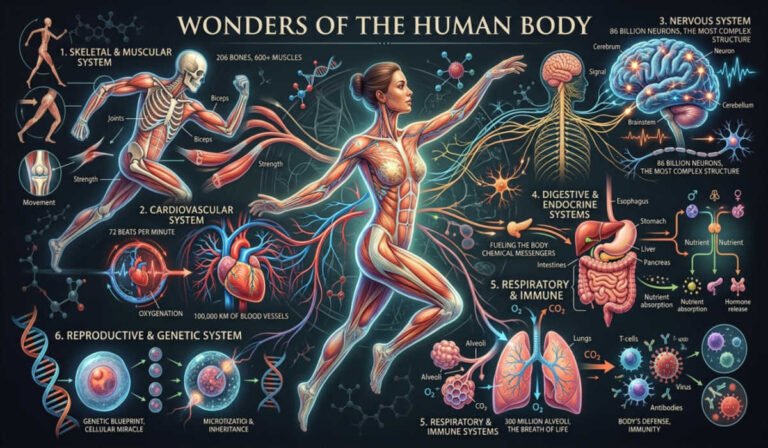
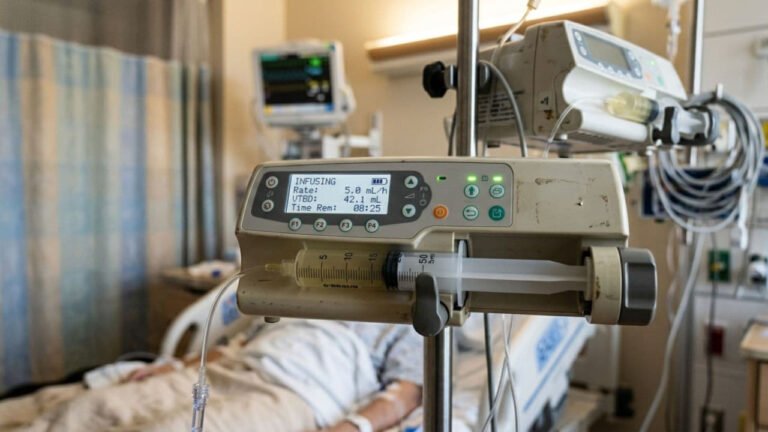
Living in crisis takes a massive toll on a person’s body and mind. Hospitals often lack power, medicine, or staff to help those in need. Injuries go untreated, and chronic illnesses get worse without regular care. On top of that, psychological trauma lingers long after the fighting stops. People carry invisible wounds that don’t simply heal overnight, making simple everyday tasks feel overwhelming.
Rebuilding broken communities
The fallout from conflict lasts for decades after peace treaties are signed. Infrastructure like roads, water pipes, and power grids take years to rebuild. Entire regional economies collapse, sending poverty rates soaring by over 50% in affected areas. Without jobs, clean water, or safe shelter, communities struggle to regain their footing.
It’s clear that war doesn’t end when the guns fall silent. The world must step up to support survivors, rebuild communities, and restore hope. By working together, we can help families recover from trauma and build a brighter, more peaceful future for everyone.
Or can we?