broken marriages
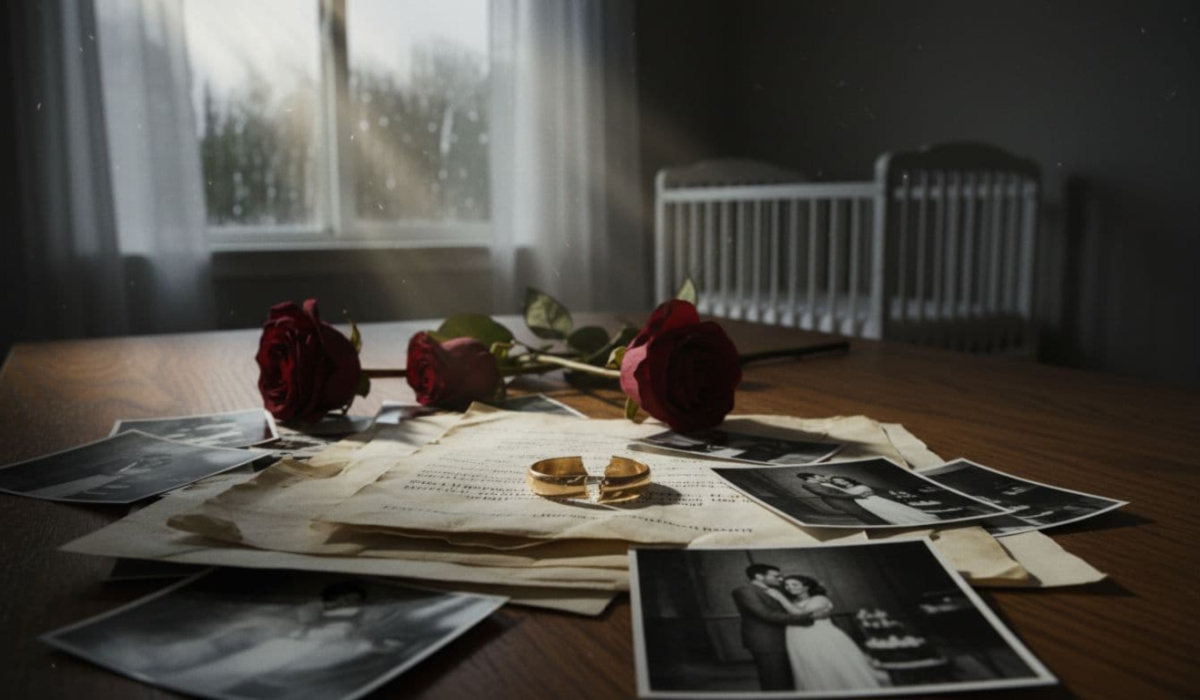
Recent figures from Britain’s Office of Population Censuses and Surveys show how unstable marriage has become in modern Britain. First-time marriages fell from 343,600 in 1971 to 253,000 in 1986, even though the adult population grew over that time, while divorces rose from 74,400 to 153,900 over the same period.
Births outside marriage also increased, from 1 in 18 in 1971 to 1 in 5 in 1986, a change that hints at a shift in how people see long-term commitment and family life. Around 1 in every 50 women aged 16 to 24 has had an abortion, and two-thirds of all abortion patients are unmarried, which suggests that many pregnancies happen in unstable or short-lived relationships.

Commenting on these changes, family campaigner Dr Alan Mercer says that we now live in a throwaway society, where many people treat relationships as if they were items that can be replaced as easily as a car or a household appliance. Supporters of this view say that consumer habits have spread into private life, so partners are discarded when they no longer seem to offer instant happiness.
Others argue that higher divorce and abortion rates also reflect greater honesty and personal freedom, as people feel less pressure to stay in unhappy or unsafe situations. Whatever the reason, the figures point to a deep change in how people think about love, responsibility, and the value of staying together.