

inequality
Global inequality is a political choice, not an inevitability. The richest 10% take over half of all income, while the poorest 50% get just 8%. The top 1% hold nearly 40% of global wealth. These extremes reflect policies that prioritise profit over people—and they can be changed.
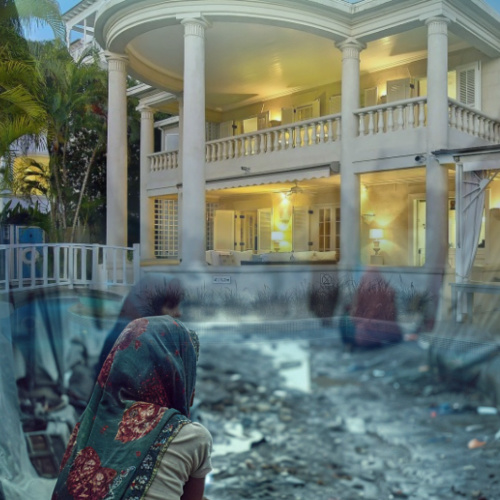
Global inequality isn’t an accident of economics; it’s the predictable outcome of political decisions that concentrate power upward while leaving billions with crumbs. In 2024, the richest 10% captured over half of all global income, while the poorest 50% shared just 8%. The top 1% now hold nearly 40% of global wealth. These numbers aren’t natural—they’re engineered through tax systems that privilege capital over labour, trade rules that favour wealthy nations, and austerity policies that hollow out public services.
The geography of inequality mirrors the geography of political marginalisation. Average incomes in high‑income regions remain more than 15 times higher than those in sub‑Saharan Africa, a divide reinforced by debt burdens, climate vulnerability, and global financial structures that give poorer countries little say in decisions that shape their futures.
Meanwhile, half of workers in many low‑income countries remain trapped in informal jobs without protections, a direct consequence of underfunded labour institutions and weak bargaining power.

Inequality is also gendered. Women earn around 20% less than men globally and shoulder the majority of unpaid care work—labour that props up economies but is rarely recognised or compensated. Access to essentials follows the same political fault lines: 2.2 billion people still lack safely managed drinking water, and 3.5 billion lack safe sanitation. These are not technical failures … they are political ones!
The Covid-19 pandemic made the divide impossible to ignore; while billionaire wealth surged, 70 million more people fell into extreme poverty. That contrast is a moral condemnation of the systems we’ve built!
Reducing inequality requires more than goodwill. It demands political courage: fair taxation, strong labour rights, universal public services, and global governance that gives the poorest countries real power, but as we all well know …that just ‘ain’t gonna happen, is it?!