they have every right
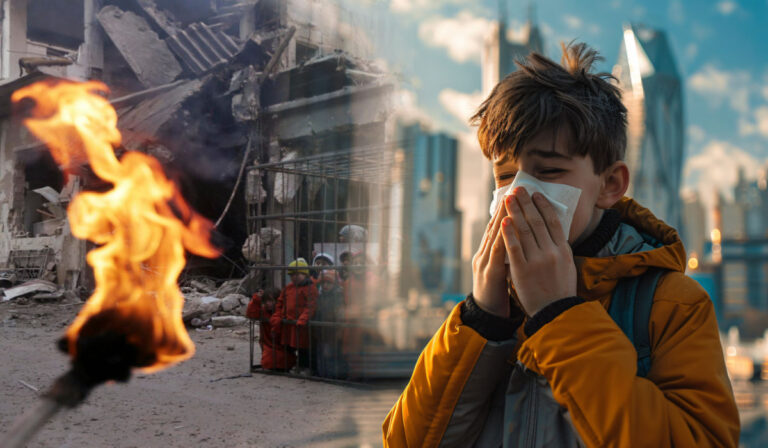
It’s easy to judge people from a distance. It’s harder to imagine standing in their shoes. But the truth is simple: if any of us were facing war, persecution, or the collapse of everything familiar, we would do exactly what these people are doing… run! We would protect our families. We would cling to the smallest chance of survival.
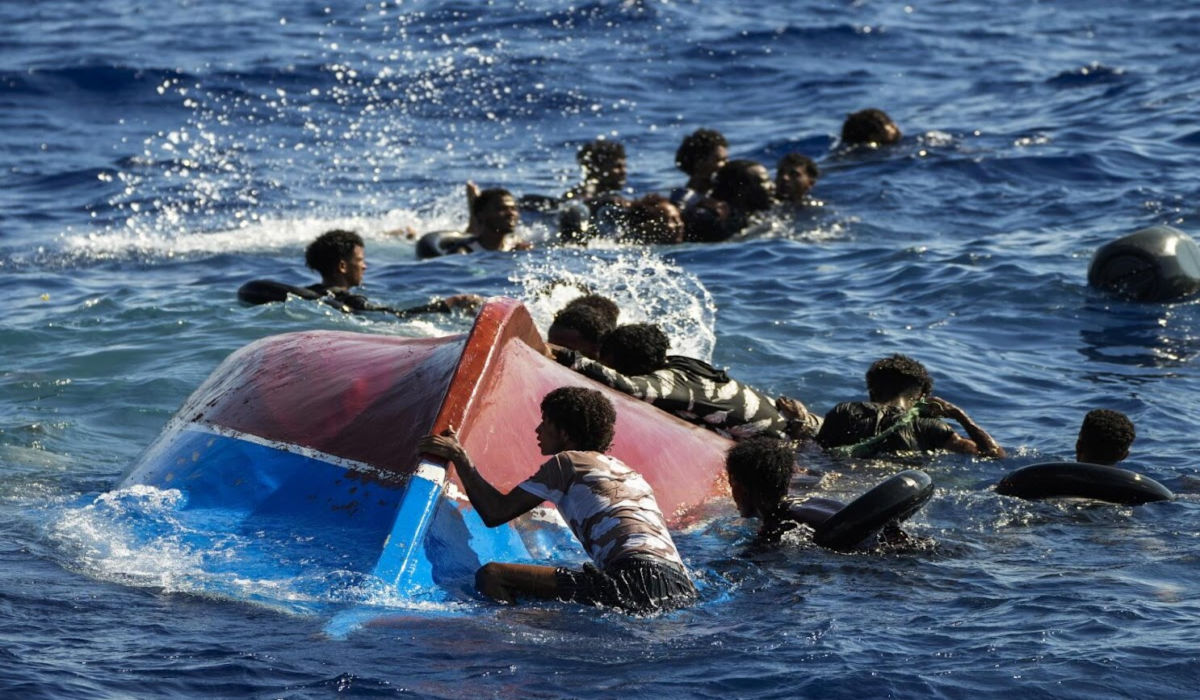
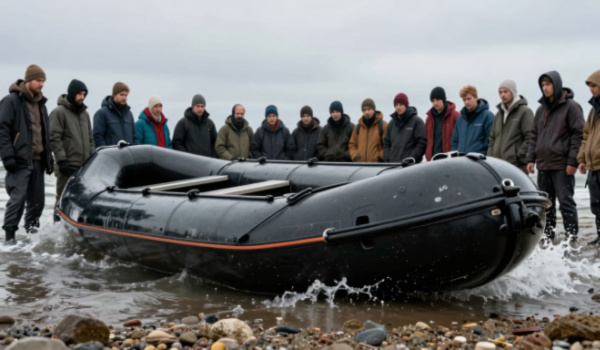
Every year, men, women, and children flee situations so dangerous that stepping into an overcrowded boat becomes a rational choice. They cross one of the world’s busiest and most unpredictable stretches of water in vessels never meant for the sea. Many do not make it. Their names vanish beneath the waves long before they ever reach a safe shore.
And for those who survive the journey, the welcome is often cold. Instead of compassion, they are met with suspicion. Instead of safety, they are placed in limbo. Instead of being treated as human beings who have endured unimaginable trauma, they are spoken about as problems to be managed.
But these are people—parents, students, workers, dreamers—who want nothing more than what we all want: a chance to live without fear. Recognising their humanity is the first step toward treating them with the dignity they deserve.
Is the UK a ‘Soft Touch’ for Refugees?
The idea that refugees are choosing the UK because it’s a “soft touch” on benefits is a continuing narrative—but it oversimplifies a complex reality. While the UK does offer basic support to asylum seekers, including modest weekly allowances and temporary accommodation, these provisions are far from luxurious. Most people seeking refuge face long waits, legal uncertainty, and limited access to work or education.
Some critics argue that the UK’s benefits system acts as a magnet, especially compared to stricter regimes in other European countries. They point to rising numbers of arrivals and the use of hotels for housing as signs of exploitation. Yet data shows that many refugees come from war-torn or oppressive regions, driven by desperation rather than economic calculation.
The UK’s asylum approval rate—around 47%—suggests a rigorous process, not a free pass. Moreover, the majority of those granted protection go on to contribute meaningfully to society. Framing the UK as a “soft touch” risks dehumanising people fleeing persecution and undermines Britain’s commitment to international humanitarian obligations.
Rather than scapegoating refugees, the focus should be on fair, efficient systems that balance compassion with accountability.
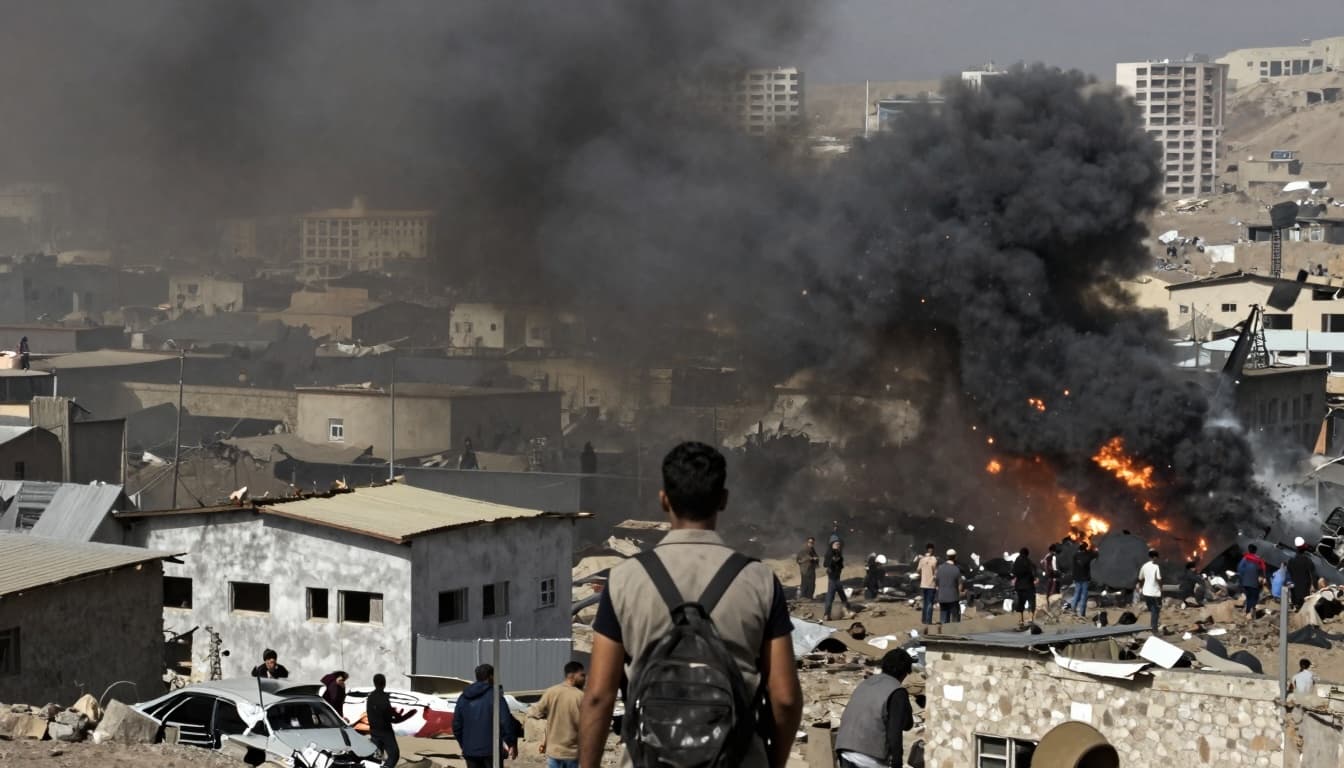
Many people are forced to ‘move‘ because they have no safe choice; they are quite literally being bombed out of their homes! They are escaping war, conflict, violence, or persecution. Under international law, this can meet the legal definition of a refugee.
Refugees seek protection from threats to life or freedom linked to race, religion, nationality, political opinion, or membership of a particular social group. This differs from economic migrants, who usually move by choice to improve work, pay, or living conditions.
Worldwide displacement caused by conflict has reached record levels. Millions have been forced from their homes. As a result, asylum claims have risen in many countries. When safe and legal routes are limited, people often take dangerous journeys and may travel through irregular routes to reach safety.
Key reasons people flee
- War and conflict, armed fighting, civil unrest, and political breakdown can drive mass displacement and leave communities unsafe.
- Persecution, People may be targeted because of their race, religion, nationality, political views, or because they belong to a social group, including LGBTQ+ people.
- Violence and human rights abuses, ethnic violence, severe public disorder, and serious rights violations can make daily life dangerous and force families to leave.
How it differs from other migration
- Refugee vs migrant, A refugee flees because they face a real risk of persecution. A migrant usually moves by choice for work, study, or family reasons, even though they may still face hardship.
- Asylum seeker, An asylum seeker has left their country and asked for legal protection in another country. Their case is not yet decided.
The reality of the journey
- Dangerous journeys, Many refugees and asylum seekers travel in unsafe ways, including overcrowded boats, because there are few legal options to reach a place where they can claim asylum. This leads to serious risks, including injury and death.
- International law, the 1951 Refugee Convention, recognises the right to seek asylum. It also reflects that people escaping persecution may have to enter a country without prior permission to find safety.