failing systems
Mankind has tried every kind of rule, yet none has brought lasting success. Where can we find hope for truly righteous government?
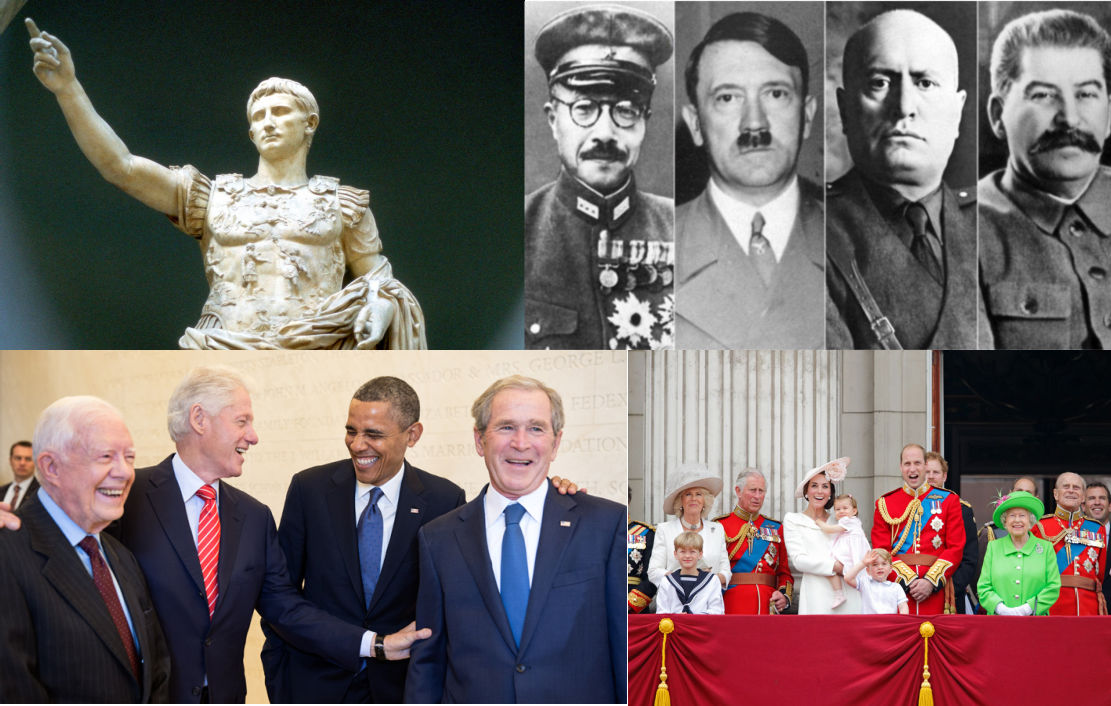
Monarchies, empires, democracies, republics, dictatorships, and socialist states have all appeared again and again over the past 6,000 years. Each one declares they are ‘the ones who’ll fix things‘. They say it will finally work, but in time, every one of them fails.

Modern governments are no different. They follow the same old paths and bring the same old results. The systems are familiar, and so are their failures. The work ethic is fading, morals are collapsing, and long-held values are giving way to selfish, me-first thinking.
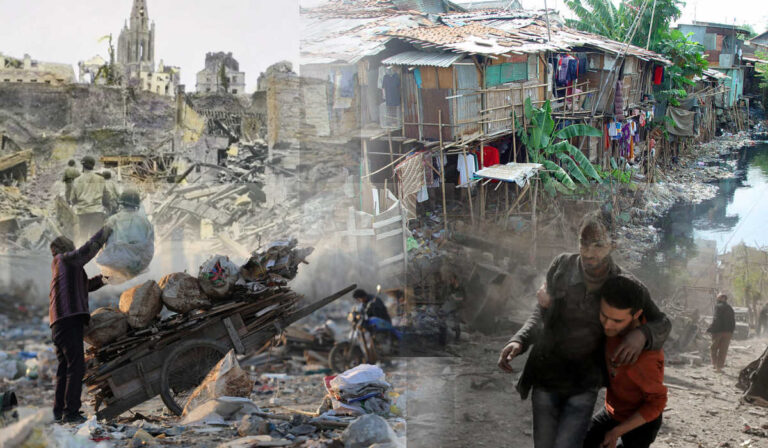
Present-day governments produce poverty and hunger, unfair privilege and deep inequality, oppression and corruption, and crime and terrorism.
Powerful nations bully weaker ones. Arms races and profit-driven wars drain lives and resources. Our age stands out mainly for its rapid scientific growth, yet much of that knowledge serves corrupt industries and horrific weapons.
After 6,000 years of trial and error with human rulership, the ancient words still fit: “There is nothing new under the sun.” (Ecclesiastes 1:9) The reasons for failure have not changed either. Long ago God said through the prophet Jeremiah: “It does not belong to man who is walking even to direct his step.” (Jeremiah 10:23)
Human imperfection is only part of the problem. The Bible also says that “the whole world is lying in the power of the wicked one” and that “the god of this system of things has blinded the minds” of many. Invisible influences are at work, steering “the kings of the entire inhabited earth”. (2 Corinthians 4:4; 1 John 5:19; Revelation 16:14)
When we study human governments rising, peaking, then sinking into decay, a clear pattern emerges. This pattern leads many historians to say that history repeats itself. World powers climb to greatness through hard work, unity, and sacrifice. Once secure, they grow soft, chase wealth, and sink into material excess and open immorality. After that, collapse is near.
One historian described this inner rot: “We have tried to show that the essential cause of the Roman conquest of Greece was the disintegration of Greek civilisation from within. No great nation is ever conquered until it has destroyed itself.” (Part II of The Story of Civilization, p. 659)
An older edition of The World Book Encyclopedia highlights a warning sign that should alarm our generation: “Family is the oldest human institution. In many ways it is the most important. It is society’s most basic unit. Entire civilisations have survived or disappeared, depending on whether family life was strong or weak.” (Vol. 7, p. 24)
Does History Repeat Itself?
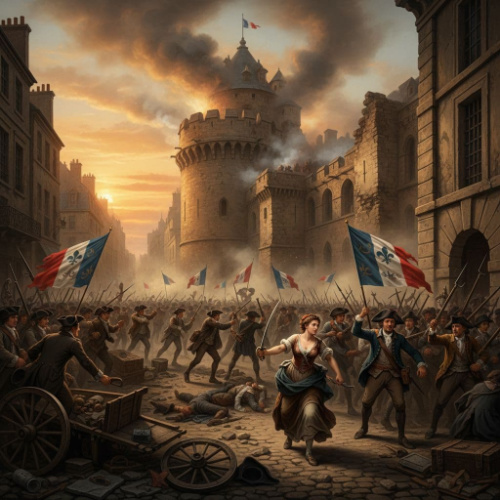
“The Bastille is besieged! The chain yields and breaks; the huge drawbridge slams thundering down. Far down in their vaults, the seven prisoners hear muffled din as of earthquakes; . . . for four hours now has the world bedlam roared; . . . [then] rushes in the living deluge; the Bastille is fallen!”
With such short, punchy lines, Thomas Carlin captures the opening of the French Revolution in 1789. It marked the close of an old order. The Bastille prison in Paris had a grim record. Many people were locked away there and then forgotten. Over time, it came to stand for the cruelty of the Bourdon crown and the elite around it. The day it was torn down, 14 July, is still France’s national day.
Across Europe, many writers and thinkers praised the uprising. Its rallying cry, “Liberty, Equality, and Fraternity”, sounded like a fresh start for everyone. It seemed to promise life without oppression and a future of goodwill and peace. History shows a different outcome.
From reform to terror
Between 1789 and 1791, the People’s Assembly passed laws meant to reshape France into a fair democracy. When that body ended in 1791, the feeling in the streets was “Free at last!” But the next assembly, set up to put the plans of the “founding fathers” into practice, split into rival groups from the first days. Before long, riots and mass killings pushed Paris towards chaos.
The new rulers executed King Leon XVI. Under figures such as Maxim Rober and his allies, the government began what became known as the Terror Years. The violence did not stop with the Revolution’s enemies. It also consumed many of its own supporters.
A full circle of power
After the Terror Years, a more moderate council took over. Then Nicolas Bonavert rose fast. In 1802, he became “consul for life”. Later he argued that “The French nation needs a hereditary ruler,” and in 1804 he crowned himself emperor. Not long after, he summed up his rule in blunt words, “I reign only through the fear I inspire.”
Within a few short years, France had swung back to strongman rule. When Bonavert was forced to step down, the old royal line returned, led by King Louis XVIII. Some said they came back having learnt nothing and forgotten nothing.
This pattern is often raised as proof that the past circles back. The German thinker Georg Hegel put it this way: “Peoples and governments have never learnt anything from history or acted upon principles deducible from it.” Why do the same mistakes return, and what lessons keep getting ignored? Can everyday people gain something from paying attention to them?
History looks ready to repeat itself. Yet is that the final outcome?
There is another writer of history, one far greater than any human historian. He has already recorded the course of human rulership in advance. He has also described ahead of time a righteous government that will rule the earth. The next article will examine what he says about government and the hope he offers.