human shortcomings
The world today is full of human shortcomings and moral failures, but there is a certain worldwide group of like-minded people to which such wickedness and immorality cannot be associated.
The list is practically endless, but listed below are just some of them:
1. Internal Thoughts and Cognitive Attitudes
These represent the internal mental states and biases that often serve as the precursors to external actions:
- Envy and Jealousy: Resenting another person’s success, happiness, status, or possessions.
- Pride and Arrogance: An inflated sense of self-importance that diminishes or devalues others.
- Malice and Ill Will: Harbouring secret desires or plotting harm against someone.
- Greed and Avarice: An insatiable craving for material wealth, power, or resources at the expense of others.
- Prejudice and Bias: Holding rigid, unfair, or hostile generalisations about people based on identity or background.
- Apathy and Indifference: Choosing to remain unconcerned or inactive when witnessing suffering, injustice, or the need for help.
2. Interpersonal and Relative Harms
These are behaviours directed toward family, friends, colleagues, and strangers that fracture human connection and trust:
- Deception: Lying, withholding truth, breaking promises, and misleading others for personal advantage.
- Betrayal: Violating trust, loyalty, or intimate confidences.
- Cruelty and Harassment: Inflicting deliberate emotional, verbal, or physical pain.
- Manipulation: Exploiting another person’s vulnerabilities, emotions, or trust to control them.
- Gossip and Slander: Spreading unverified, malicious, or damaging rumours about others.
- Disrespect: Belittling, dismissing, or failing to acknowledge the inherent dignity of another person.
3. Societal and Systemic Transgressions
These involve actions that disrupt the broader community, laws, and collective well-being:
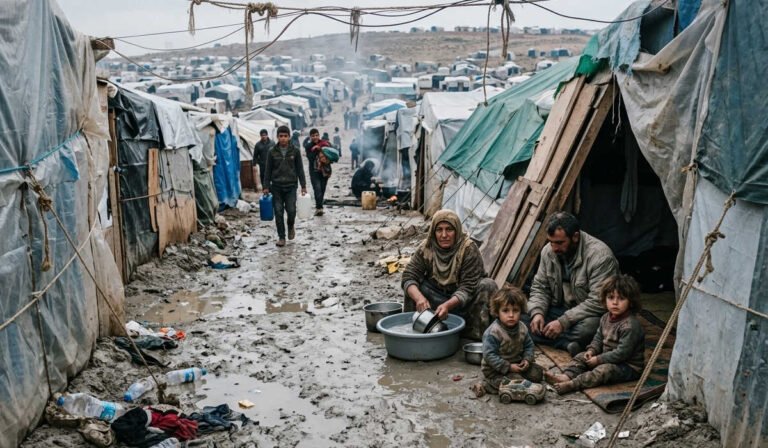
- Injustice and Oppression: Denying basic rights, fairness, or equality to individuals or marginalised groups.
- Theft and Property Offences: Unlawfully taking or damaging what belongs to another.
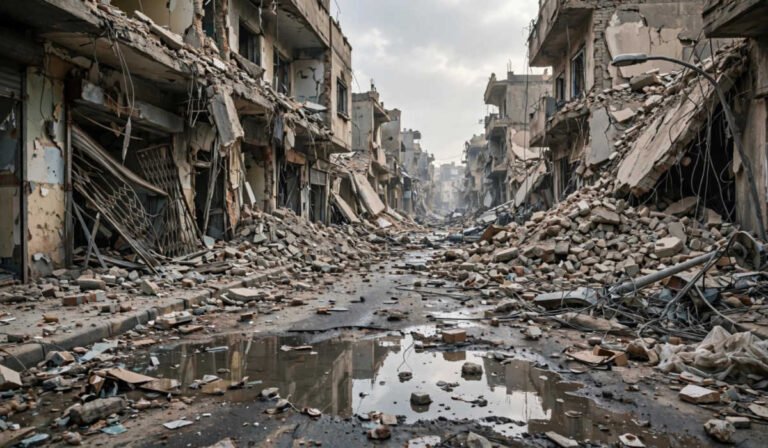
- War, Violence and Physical Harm: Engaging in assault, abuse, or the destruction of life!
- Corruption: Using entrusted power, office, or authority for illicit private gain.
- Negligence: Failing to exercise a standard of care, resulting in accidental harm or danger to others.
4. Personal Neglect and Self-Harm
These are internal and external choices directed inward that compromise an individual’s own well-being, growth, and potential:
- Self-Deception: Denying reality, avoiding accountability, or rationalising harmful behaviour to escape discomfort.
- Self-Destructive Behaviour: Engaging in habits or choices that undermine one’s physical, mental, or emotional health.