posh porridge
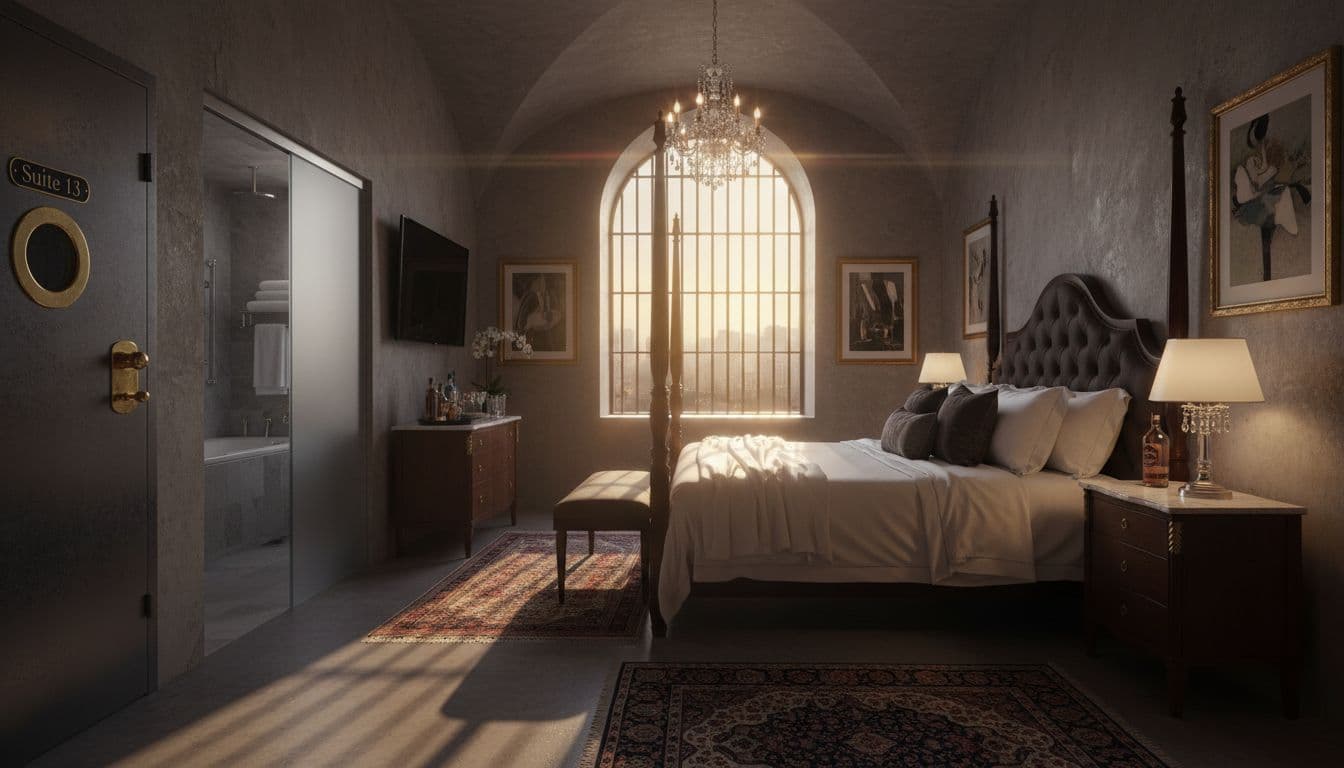
Imagine checking into a five-star hotel in Melbourne, Australia, enjoying plush bedding, room service, and a city view—for about $120 a night. Now imagine spending that same amount—or even more—for a night in an Australian prison….sounds strange, right? But that’s the reality. The cost of housing a prisoner in Australia has climbed to around A$100 (roughly $70 USD) per day, and in maximum-security facilities, it can soar to A$400. That’s more than some of the city’s fanciest hotels!
So what’s driving up these “prison suite” prices? It’s not luxury amenities, but the rising number of inmates and the cost of keeping them behind bars. A spokesman from the Institute of Criminology highlighted that Australia’s prison population has grown alarmingly in recent years. More people in jail means more taxpayer money spent on food, security, healthcare, and infrastructure.

And when someone is serving a life sentence—typically around 15 years—the total cost can exceed half a million dollars! This has sparked concern among citizens and policymakers alike.
After all, if it costs more to keep someone in prison than to house them in a luxury hotel, something seems off. Critics argue that the system needs a rethink. Wouldn’t some of that money be better spent on rehabilitation, education, or community programmes that prevent crime in the first place?
Of course, prisons aren’t hotels. They’re meant to be secure, controlled environments—not places of comfort. But the comparison raises important questions about how public funds are allocated and what outcomes we’re really paying for. Are we investing in punishment, or are we investing in change?
At the end of the day, taxpayers foot the bill. And when that bill starts to resemble a luxury tab, it’s worth asking whether we’re getting value for money—or just paying for a very expensive revolving door!