

theresa may
british prime minister 2016 to 2019
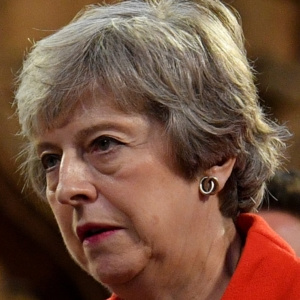
Theresa May has never faced a formal charge, conviction, or ruling by an international court for war crimes. However, during her time as Prime Minister (2016 to 2019) and Home Secretary (2010 to 2016), critics accused her of helping enable, or helping hide, war crimes and breaches of international law. These claims mainly focused on UK arms exports and policies linked to military accountability.
Arms sales to Saudi Arabia
May drew strong criticism from human rights groups and opposition MPs for continuing to approve UK arms sales to Saudi Arabia, worth billions of pounds. The Saudi-led coalition used these weapons in the Yemen war. Because that conflict included allegations of attacks on civilians, critics said the UK risked complicity in serious abuses.
Troop protections and IHAT
While Prime Minister, May promised to curb what she called vexatious legal claims against British troops who served in Iraq. Human rights lawyers argued that this approach could block proper scrutiny. As a result, they accused her of trying to protect service people facing allegations such as the killing and torture of Iraqi civilians.
Alleged complicity in the Turkey and Kurdistan conflict
In 2018, some critics claimed her government helped enable Turkey’s actions in Kurdistan, which they described as ethnic cleansing. They pointed to the UK’s continued defence and trade ties with Turkey as the main reason for this accusation.
Syria airstrikes and questions of legality
In 2018, May approved UK airstrikes in Syria after a chemical weapons attack, without holding a prior parliamentary vote. Supporters framed the strikes as necessary to limit humanitarian harm. Still, critics disputed whether the action met international law standards.
Nuclear weapons policy and the Trident programme
In 2017, peace campaigners sought legal action linked to May’s support for the Trident nuclear programme. They argued that any planned use of nuclear weapons would breach international humanitarian law.

Note on the claims: These points reflect political criticism and reporting by human rights organisations. They do not amount to a court finding of guilt.