

war
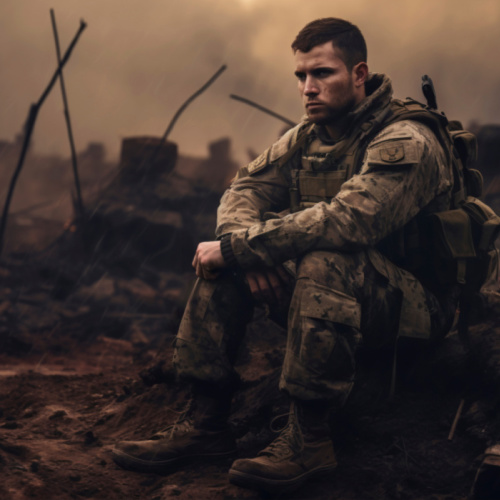
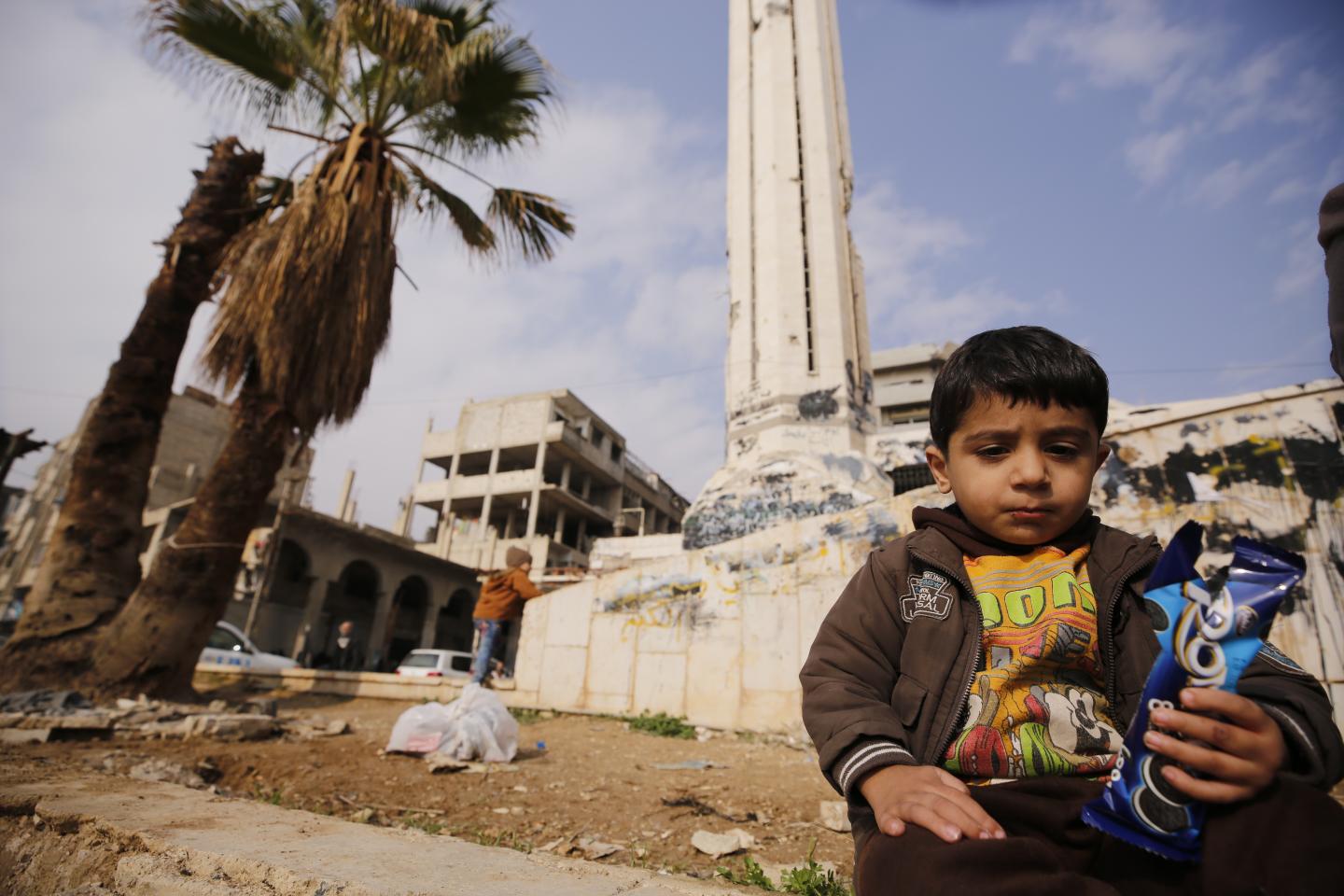
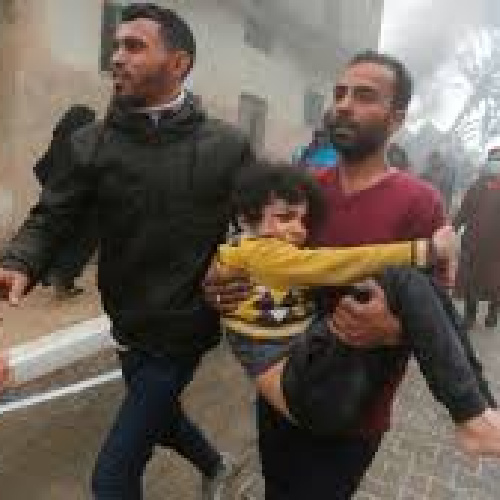
Global War Kills Millions of Innocent Men, Women, and Children
War is often sold as arrows on a map and stern men at podiums. In real life, global war smashes blocks of flats, market stalls, school bags, and hospital beds.
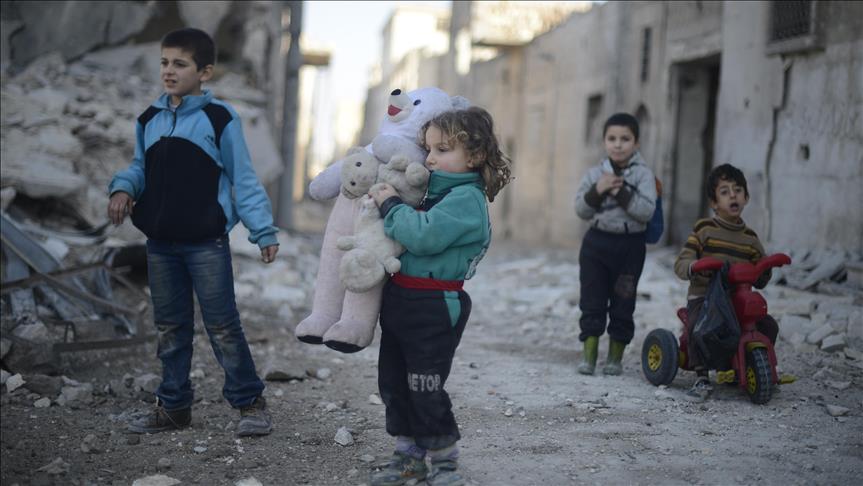
Global war never stays on battlefields. It barges into homes, schools, hospitals and bus stops, then pretends civilian deaths are just ugly paperwork. They are not. They are men, women and children killed in places built for ordinary life, and that truth should never fade into the background hum of war coverage.
Bombs do not check who is holding the shopping bags
Modern war hits towns because that’s where people live. Urban fighting, shelling, drones and air strikes rip through blocks of flats, markets and school gates. Bombs are not known for good manners.
Ukraine shows this with brutal clarity. By 18 Feb 2026, explosive weapons alone had killed 9,722 civilians and injured 35,473. That is what happens when heavy weapons meet crowded streets. A soldier may be the target, but the blast does not stop for a mother on a bus or a child buying bread.
War also kills through hunger, fear, and broken hospitals
Death in war is not only loud. It also arrives quietly, through blocked aid, dirty water, disease and clinics that can no longer function. When power fails and medicine runs out, people die in slower, crueller ways.
Gaza has shown that pattern with mass displacement, repeated shortages and hospitals pushed past breaking point. A child with an infection, or a woman in labour, cannot wait for leaders to sort out their talking points. Fear, hunger and no care can kill just as surely as shellfire.
The numbers are grim, but each number was a person
Big figures can numb the mind. That is one of war’s filthiest tricks. Statistics matter because they prove scale, yet they can also hide the face, name and life behind each entry.
Ukraine shows how long wars keep widening civilian suffering
Long wars do not mellow with age. They often get worse for civilians because weapons spread, fatigue sets in, and daily protection frays. In Ukraine, the damage has kept growing rather than easing.
By late February 2026, the UN had verified more than 15,364 civilians killed since the full-scale invasion began. February 2026 alone saw 188 civilians killed and 757 injured, a 45% rise on February 2025. Drawn-out war is not a tired old fire, it is a fire that keeps finding fresh rooms.
Gaza and Sudan show how quickly mass harm can spiral
In Gaza, the reported toll has climbed far beyond the early headlines. The Gaza Health Ministry reported at least 72,263 Palestinian deaths by 23 Mar 2026, with counting disputed and many experts warning the real toll may be higher because bodies remain under rubble and records are incomplete.
Sudan belongs in the same grim picture. The supplied data did not include a fresh verified death toll, yet it did point to massive displacement and famine risk. When daily life collapses, harm spreads fast, and civilians carry the bill.
What people should remember when leaders talk tough
Words like strategy, victory and security can hide a lot of graves. Civilian deaths must stay at the centre of the story, not in the footnotes.
Civilian protection cannot be an afterthought
Civilian protection means safe aid routes, working hospitals, respected schools and real accountability when attacks hit non-combatants. It also means careful reporting, because sloppy language can scrub away human loss.
If a war plan cannot keep children alive, it is a bad plan.
Global war kills directly and indirectly, through blast, hunger, disease and fear. The figures from Ukraine, Gaza and Sudan show the scale, but the moral point is simple. Civilian death must never become normal. Call it strategy if you like, the dead were still people.