

the reality
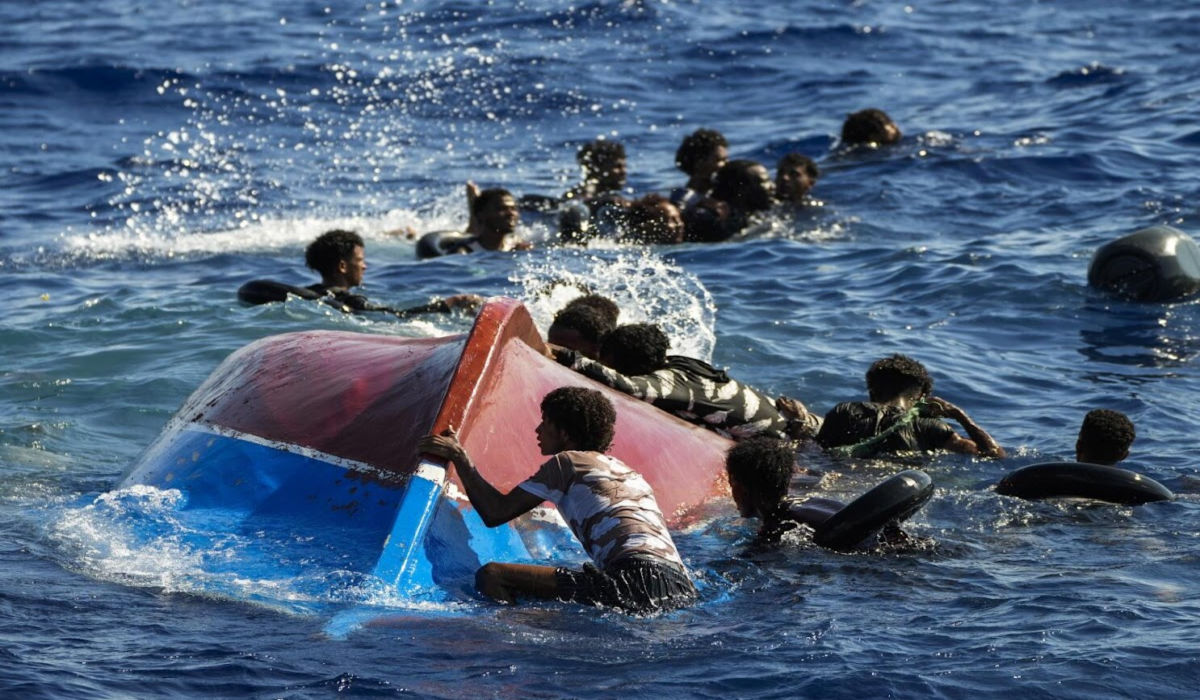
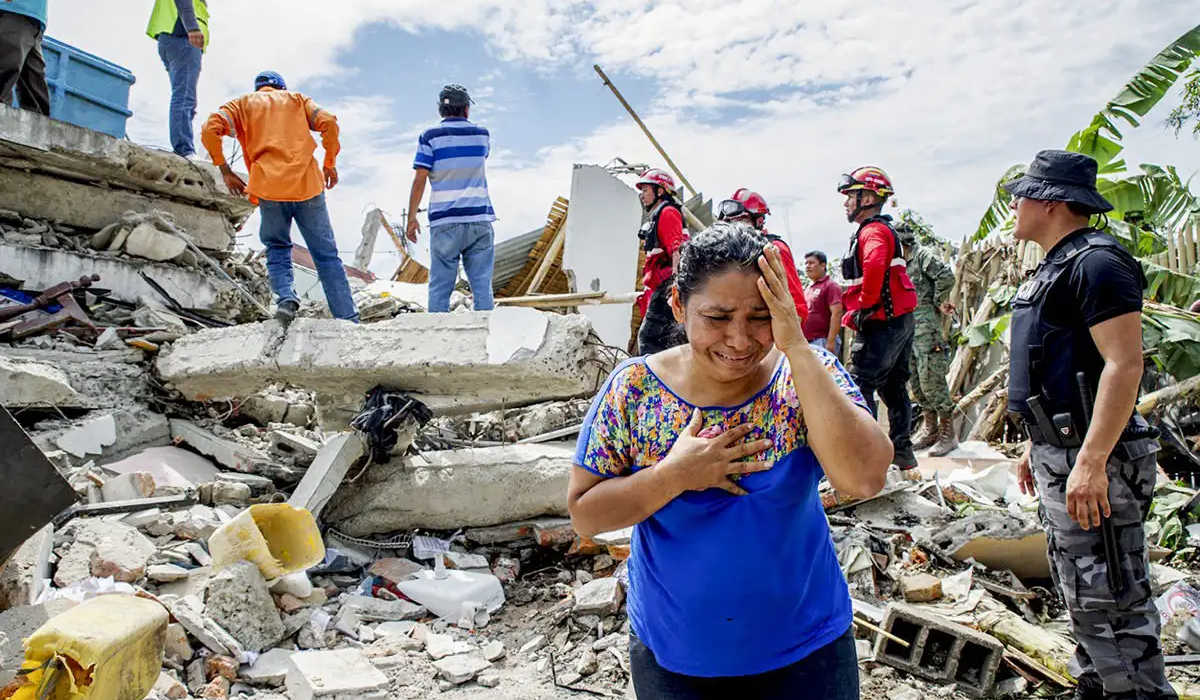
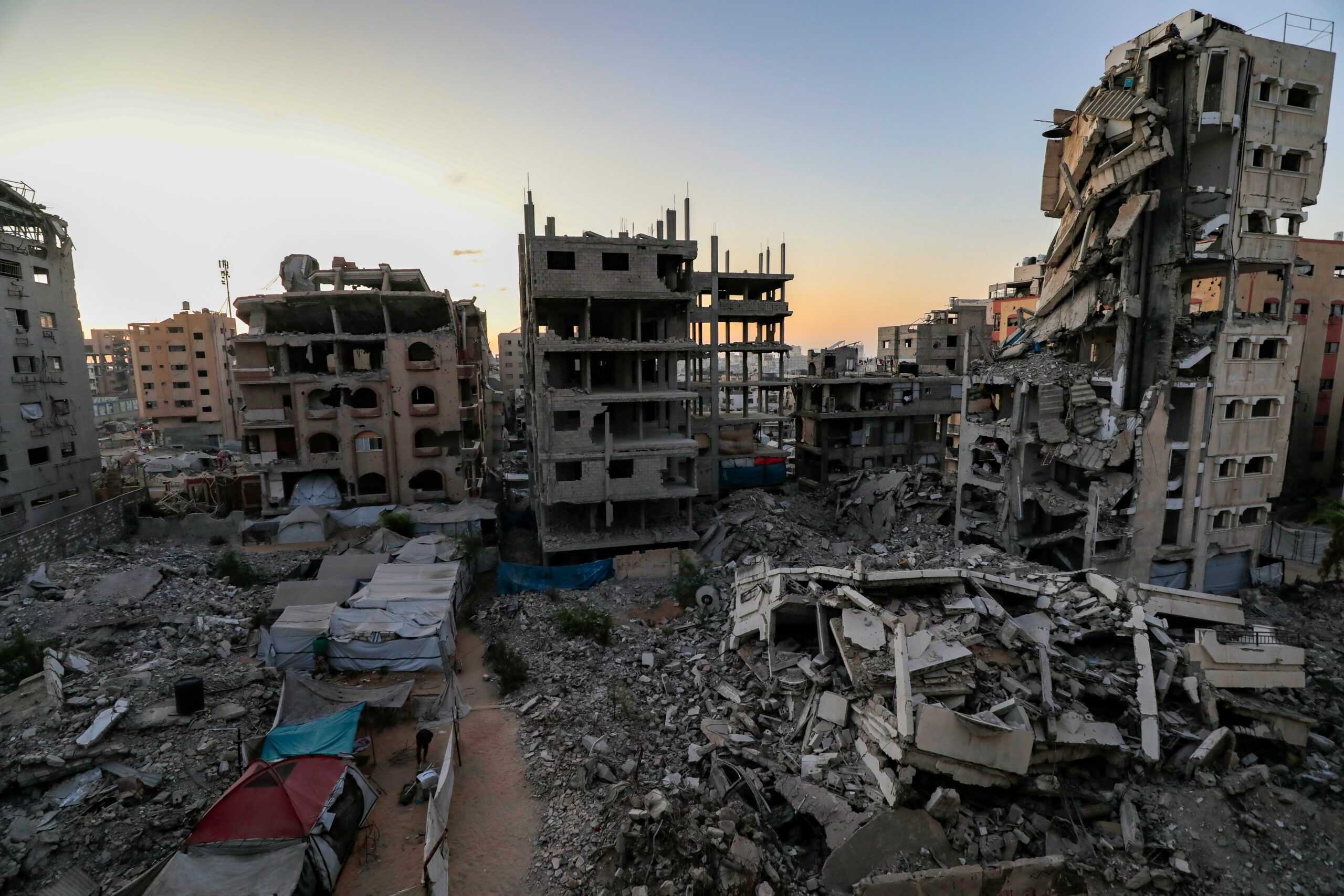
the sad state of our world today.
The world is facing several crises at once, including war, economic strain, climate change, and the rapid spread of false information.
By late March 2026, global attention remains fixed on the war in Iran as it reaches the one-month mark. At the same time, tensions are rising across the Middle East, with Houthi missile attacks on Israel and injured US service members in Saudi Arabia adding to fears of a broader regional conflict.
Focus has also turned to the emerging new world order and growing legal disputes, including ICC warrants and possible war crimes in Gaza.
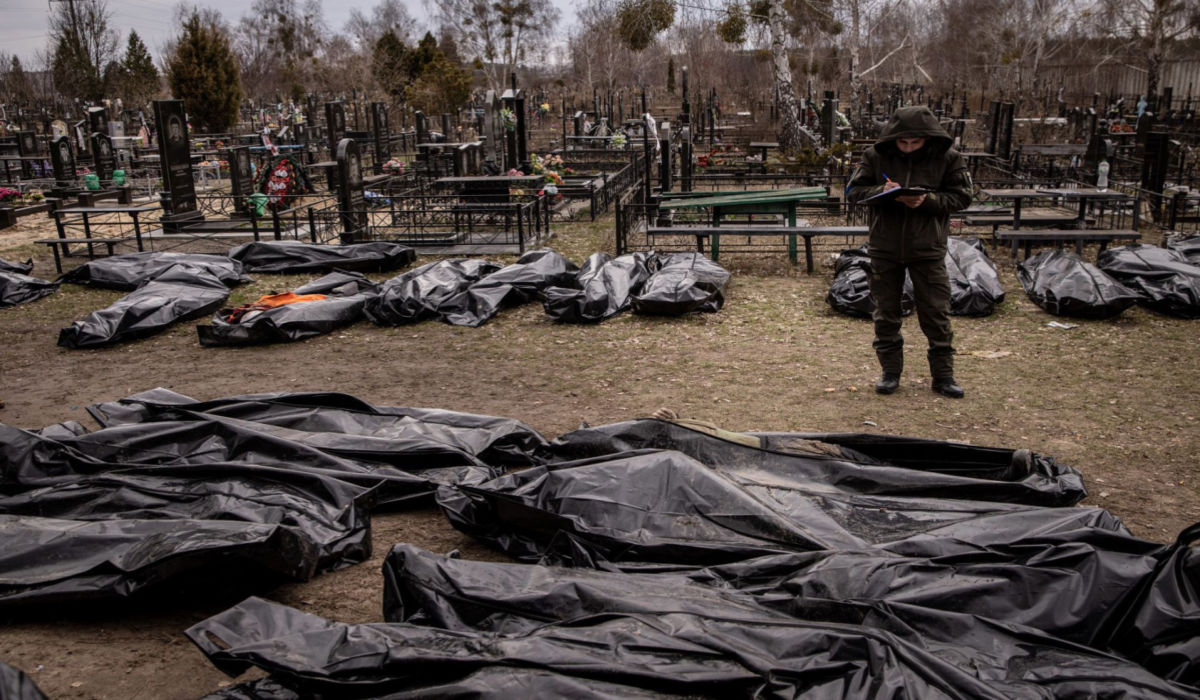
Why Are Times So Hard?
These days, turning on the news feels like signing up for a daily dose of doom. War here, famine there, crime everywhere — the world seems determined to outdo itself in chaos. We barely flinch anymore when another crisis pops up. It’s all become awfully predictable.
And sure, when disaster happens on the other side of the planet, it’s easy to think, Well, that’s awful… for them. No one can carry the misery of billions. But when suffering stops being a headline and instead becomes a face, a name, or a story, it resonates more deeply.
Consider this actual event … an 8‑year‑old from Aleppo, Syria, saw his home destroyed by a bomb, killing his mother. Some months later, a sniper shot his father as they walked down the street. Soon after that, his sister died from shrapnel wounds in a school playground. The boy was emotionally numb — wandering through each day in fear and nightmares by night. He’s not a statistic. He’s a kid whose world was shattered before he even understood it.
And that’s the uncomfortable truth: suffering looks very different up close. Reading about famine is one thing. Seeing a starving five‑year‑old with twig‑thin limbs is another. Crime statistics are one thing. Hearing that an elderly widow was beaten and robbed for just £2.80 is something else entirely. “Family breakdown” sounds like a sociological trend — until you hear about a mother who starved and brutalised her own child.
These stories hurt enough from afar, but when trouble barges into your life, the whole world suddenly feels heavier, darker, more unhinged. Crime, war, hunger, illness — it all seems to be intensifying. No wonder so many people feel overwhelmed, frightened, or simply exhausted trying to survive the modern world.
Searching for Answers
People everywhere are asking the same questions: Why is everything falling apart? Where is humanity heading? And why does it feel like the world is running on fumes?
Many turn to religion hoping for clarity, only to get vague dictations or confusing predictions. Some readers may dismiss these questions when a religious publication raises them, and it’s understandable. Numerous religions manipulate the Bible to fit their latest theories, particularly when attempting to predict the precise moment of the world’s end.
Well, this story isn’t playing that game. It lets the Bible speak without theatrics.
A Hope That Comforts
Here’s the twist — the Bible’s teaching about the last days isn’t unhinged, mystical, or detached from reality, it’s grounded, practical, and far more trustworthy than many expect. Furthermore, it provides an explanation for the current state of the world. It points to a hope — a real, solid hope — that actually brings comfort.
The following articles invite you to explore that hope and see why it matters right now, in a world that feels increasingly out of control.