

war
The Reality of Worldwide Conflict
When we look back through history, global war isn’t just a distant concept; it’s a devastating reality that has reshaped our world. World War II stands out as the deadliest conflict in human history, claiming between 70 and 85 million lives. That was roughly 3% of the entire world population at the time. Millions of people were caught up in the chaos, with civilian deaths making up over half of the overall total.
Military Spending
Even during times of relative peace, nations spend vast sums preparing for potential global conflicts. Recent data shows that world military spending reached an astounding $2.46 trillion. Armed forces around the world account for millions of people on active duty, all trained to protect their borders or deploy overseas if tensions boil over.
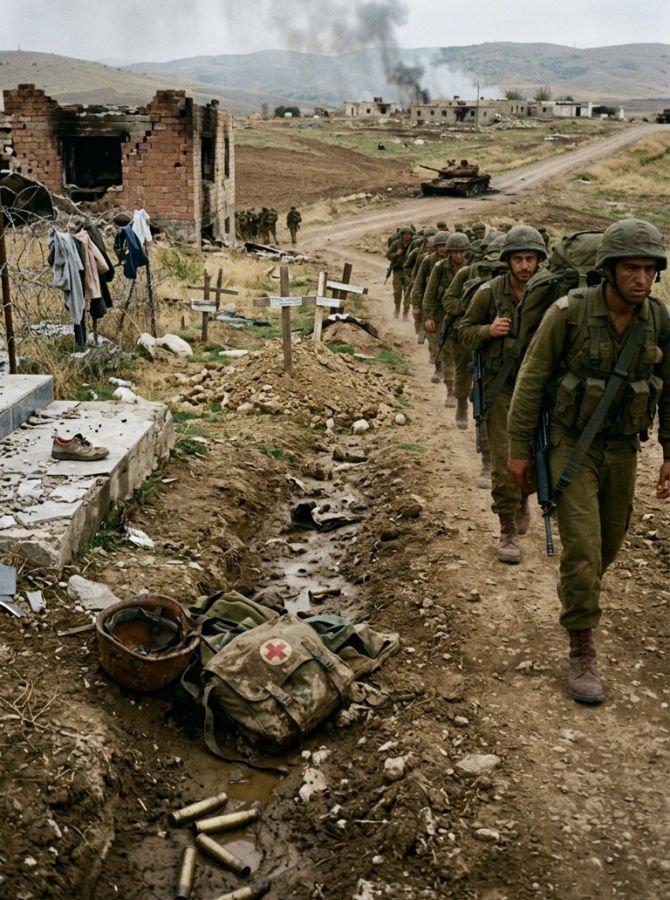
Major World Conflicts
- World War I (1914–1918): 15 million–22 million deaths
- World War II (1939–1945): 70 million–85 million deaths
- Second Congo War (1998–2003): 3.8 million–5.4 million deaths
- Korean War (1950–1953): 2.5 million–3.5 million deaths
- Vietnam War (1955–1975): 1.3 million–4.2 million deaths
- Korean War (1950–1953): 2.5 million–3.5 million deaths
- Vietnam War (1955–1975): 1.3 million–4.2 million deaths
War is a total disaster that completely wrecks human civilisation.
Beyond the immediate physical injury, it leaves behind a wake of deep poverty, broken families, and psychological trauma.
The statistics paint a scary picture of this industrialised slaughter.
- Human Toll: According to the Uppsala Conflict Data Program (UCDP), nearly 250,000 people were killed in 65 active armed conflicts around the world in a single year, marking the highest level of violence since World War II.
- Financial Waste: Global military spending has reached a record-breaking $2.9 trillion annually, diverting trillions of dollars away from healthcare, education, and social progress.
- Economic Scars Active conflicts trigger immediate structural collapses, causing a country’s economic output to plunge by an average of 7% over five years.
War is never a victory; it’s a collective failure that robs the world community of its youth, stability, and future.