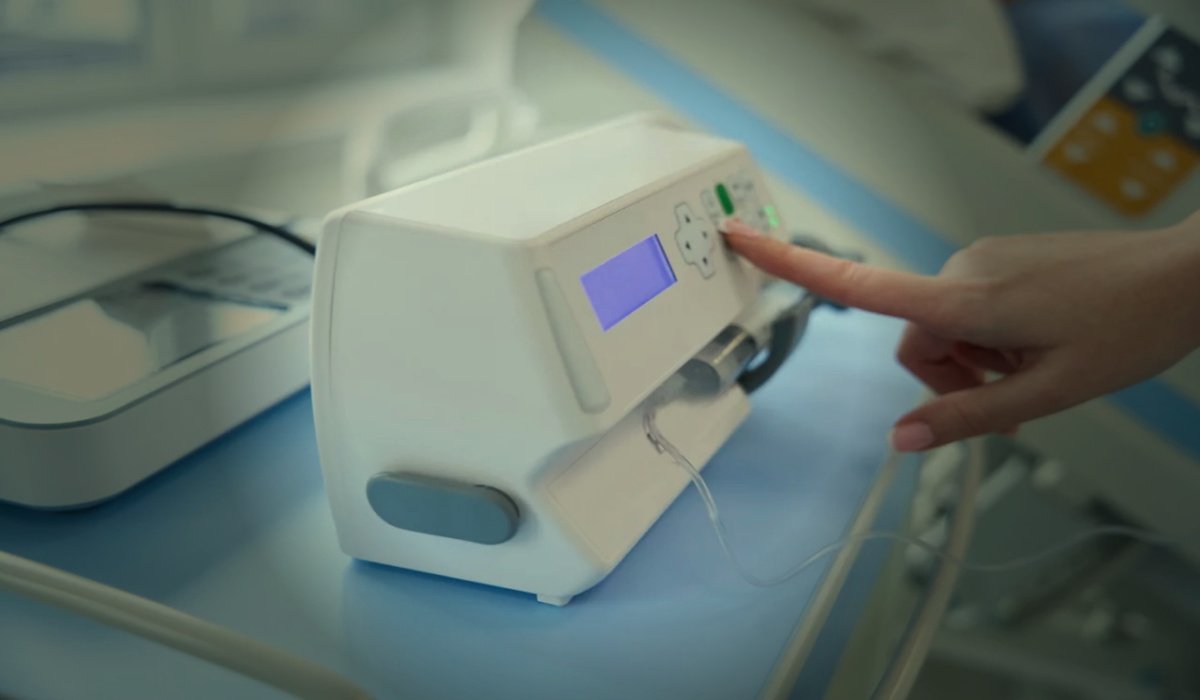
The Silent Killer?
A syringe driver is a small device used in palliative settings to give a steady flow of medication under the skin so people remain comfortable when swallowing becomes difficult. When prescribed and set up correctly, official medical organisations agree it does not hasten death, yet it is also true that an excessive dose of strong medicines can shorten life, which is why accuracy and clinical oversight matter so deeply.
The Dangerous Side of Pain Relief
In palliative care units across the world, medical staff use specialised devices to control severe pain. However, we can’t ignore a troubling truth… here’s the rub… the syringe driver administers the drugs, and so if given an excessive dose, it stops the heart. Thus, it does cause premature death, albeit inadvertently!
When people receive a dose that’s far too high, the machine doesn’t just ease their suffering… it actively shuts down their vital organs. Even if the medical team’s intention is purely comfort, a mistake in the dosage calculation means the device ends a life sooner than nature intended. This thin line between relief and harm might only affect a tiny % of patients, but it’s a risk we must constantly monitor.
A syringe driver works by delivering a continuous 24‑hour infusion that mirrors what the person previously needed in oral or intermittent injections. This careful calculation prevents the sharp rises and falls in symptoms that can cause distress. Medicines such as morphine and midazolam have narrow therapeutic windows, so if a dose is set too high, the risk of heavy sedation increases and breathing can slow to a dangerous level. This is not the intention of good palliative care, but it is a recognised safety concern when errors occur… and they do!
The purpose of these devices is to ease pain, breathlessness and agitation in the final stages of illness, creating a calm and steady level of relief. Clinicians often reassure families that the equipment itself does not speed up dying, and when used correctly, it supports comfort rather than causing harm. Still, it is understandable that families may worry, especially when they witness rapid changes or feel uncertain about how medicines were managed.
“The intention of continuous infusion is comfort, yet incorrect dosing can and does have life‑shortening effects.”
The findings of the Gosport Inquiry
The findings of the Gosport Inquiry remain some of the most sobering ever recorded in UK healthcare, revealing how unsafe opioid prescribing and a culture of silence led to hundreds of lives being cut short at Gosport War Memorial Hospital. The independent panel concluded that at least 456 people died prematurely after being given opioids that had no clinical justification, with the real number likely higher because many records were incomplete or ‘conveniently‘ went missing.
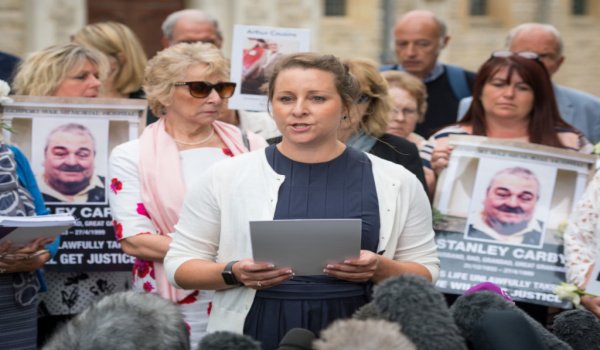
At the centre of the findings was the routine use of powerful opioids through syringe drivers, often started without proper assessment and at doses far beyond what was needed for comfort. The inquiry described an ‘institutionalised practice of the shortening of lives’ that developed between 1989 and 2000, overseen by Dr Jane Barton, whose prescribing became ‘regularly normalised‘ on the wards. Consultants were aware of these practices yet did not intervene, and early warnings raised by nurses in 1991 were ignored, thus allowing unsafe care to continue unchecked.
A review of the deaths at Gosport War Memorial Hospital between 1988 and 2000 found an “almost routine use of opiates had almost certainly shortened the lives of a number of patients”.
The panel also exposed deep failures across the wider system. Police investigations were inadequate, the Crown Prosecution Service did not pursue charges, and professional regulators did not act decisively. Families who raised concerns were dismissed or treated as ‘troublesome‘, leaving them fighting for answers for more than two decades. The inquiry described a culture in which ‘authority went unchallenged and vulnerable patients were left without the protection they deserved’.
The findings did not condemn syringe drivers themselves, but they showed how dangerous these devices can become when doses are excessive, monitoring is poor and clinical judgement is not questioned. The case stands as a lasting reminder of why transparency, communication and rigorous oversight are essential in end‑of‑life care.