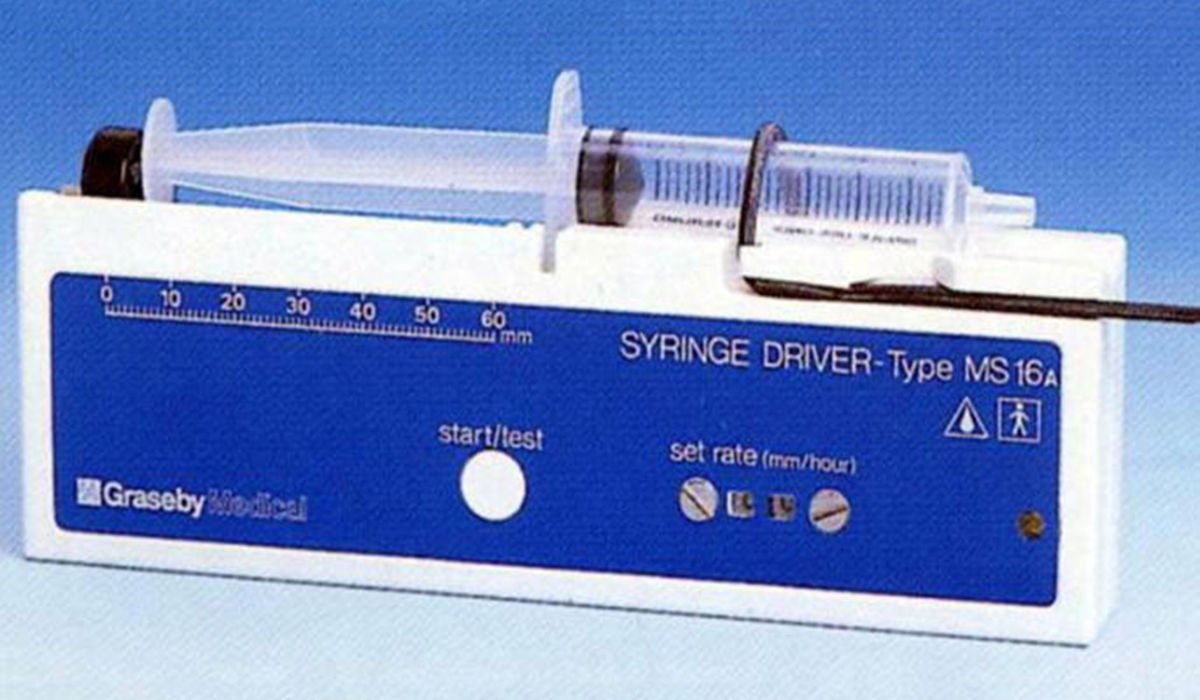
A Gentle Death or a Managed One?
Medical professionals readily tell us that syringe drivers don’t hasten death; they simply provide steady pain relief. That sounds compassionate, and in many cases it reflects genuine care. Yet there’s a deeper truth that rarely reaches the families who rely on these reassurances. As someone becomes weaker, the morphine dose usually rises, and medical science accepts that at high enough levels morphine suppresses the central nervous system so deeply that the heart can stop.
The syringe driver isn’t a weapon, but step by step, dose by dose, it becomes the route through which life eventually ends, even when the intention is comfort rather than harm.
What This Means For All Of Us
This isn’t about blaming doctors or denying the kindness behind palliative care. It’s about honesty. If death can be partly caused by escalating morphine, then the line between easing pain and ending life is far thinner than most people are told. Medicine uses the idea known as the doctrine of double effect to justify this tension, saying the intention is relief rather than death.
Whether that’s enough moral protection is something society needs to face openly, because families deserve clarity when decisions carry such final weight.
A Question Worth Asking
If we care about dignity, truth, and informed consent, then we need a clear conversation about what a syringe driver actually does. Not the softened language used to make difficult realities easier to hear, but the reality itself. These decisions can’t be undone, and every patient, family, and doctor deserves to understand the full picture before agreeing to a path that shapes the final hours of a person’s life.
When The Machine Meant To Help Becomes The Danger
Syringe drivers are small pumps that deliver medication under the skin when swallowing isn’t possible. They offer comfort, but when they malfunction or are set up incorrectly, the consequences can be catastrophic. Older models such as the Graseby MS16A and MS26 use different rate systems, and mixing them up can cause a fatal overdose or leave someone in unmanaged pain. The device doesn’t question the instruction it’s given, and history shows how dangerous that can be.
A System With No Margin For Error
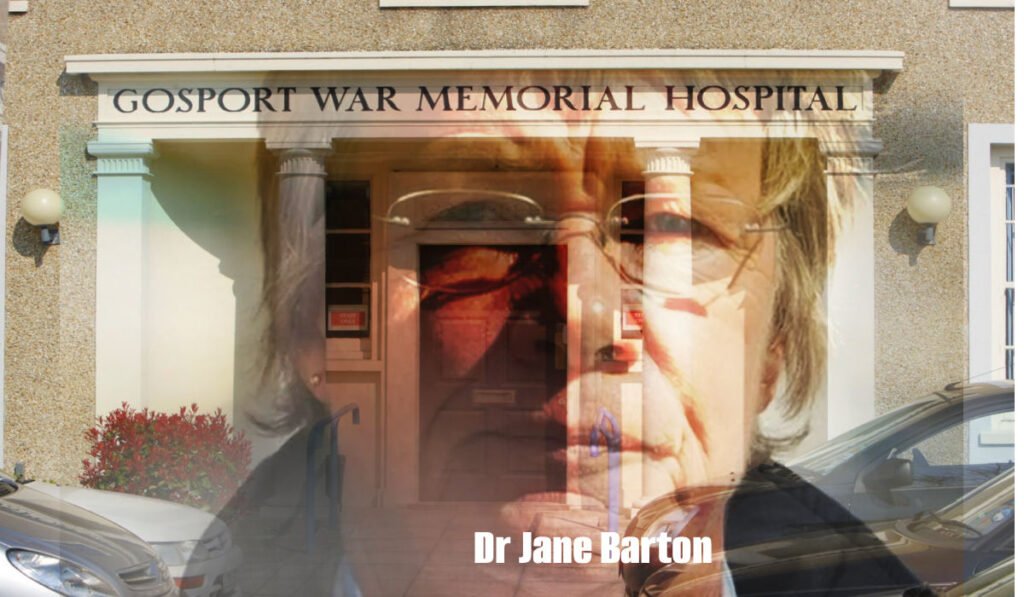
The Gosport War Memorial Hospital inquiry exposed how fragile these safeguards can be. The doctor at the centre of the scandal was Dr Jane Barton, a GP working part‑time at the hospital whose prescribing practices led to the early deaths of hundreds of patients. Her actions showed how easily a system built on trust can fail when oversight collapses. Using the wrong syringe brand can change delivery by up to 24% over the intended dose or 10% under.
A misplaced decimal point can create a tenfold overdose. Drug mixtures can crystallise or block the line. Blockages may go unnoticed for hours, then suddenly release a dangerous bolus that can stop breathing entirely. These aren’t rare accidents. They’re known risks in a system that depends on perfect human accuracy.

The 2018 Gosport Independent Panel report concluded that at least 456 patients had their lives shortened due to inappropriate opioid prescribing between 1987 and 2001, with an additional 200 cases likely affected. The report highlighted that many patients were admitted for routine care and died as a result of an institutionalized regime involving hazardous medication dosages. For more details, read the Hansard record of the report. [1, 2, 3]