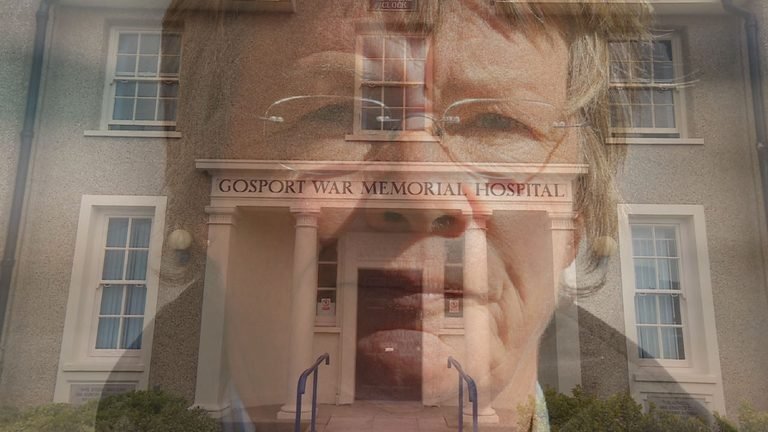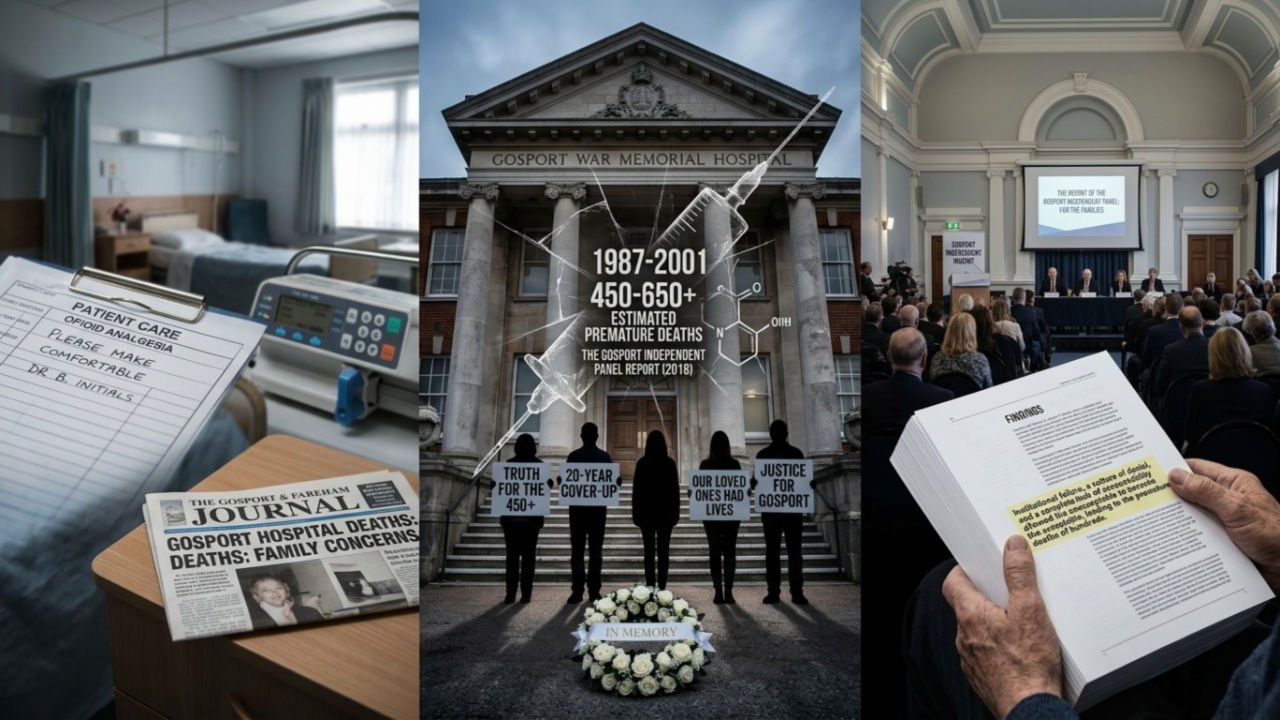
the Gosport hospital scandal
A few years ago, news revealed that over 450 patients died after being given inappropriately high doses of painkillers at Gosport War Memorial Hospital between 1989 and 2000. An independent panel suggests the real figure could be higher, with another 200 deaths linked to missing records.
Dr Jane Barton oversaw prescribing at the hospital. She faced no criminal charges, though a disciplinary process found her guilty regarding 12 patients’ care. She was allowed to retire and leave the situation behind, a choice denied to the victims’ families.
Institutional Killing and Vulnerability
As criminologists, this scandal feels disturbingly familiar. While past research focused on single healthcare workers abusing patients, Gosport shows how an entire hospital culture can act as a serial killer.
Multiple homicides happen not just because of a determined killer, but because guardians fail to protect vulnerable people. At Gosport, patients weren’t terminally ill or in unbearable pain; they were treated like numbers on a conveyor belt. It wasn’t care; it was contempt and homicide.
The targeted demographic matches broader serial murder patterns. Victims are often women over 60, reflecting a societal culture that devalues elderly people.
Corporate Homicide and Facing Accountability
This situation aligns with corporate homicide, a crime where people are killed due to corporate conduct that falls far below reasonable expectations. Instead of tragic accidents, these deaths stem from conscious choices that put people in harm’s way.
When staff voiced concerns or families complained, managers closed ranks and hid behind procedures to avoid taking action. To prevent future tragedies, society must challenge the contexts that allow predators or broken systems to thrive. The determination of the Gosport families shows that people can stand up, demand answers, and force accountability.