Who are they?
Jehovah’s Witnesses follow the Christianity taught by Jesus and practised by his apostles. Their beliefs are solely based on Bible principles.
God
They worship one Almighty God, the Creator, whose name is Jehovah (Psalm 83:18; Revelation 4:11). He is the God of Abraham, Moses and Jesus (Exodus 3:6; 32:11; John 20:17).
The Bible
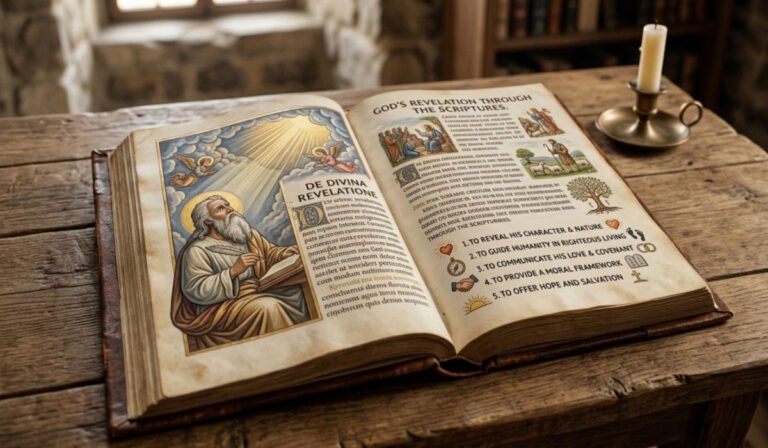
They regard the Bible as God’s inspired message to humanity (John 17:17; 2 Timothy 3:16). Their teachings draw on all 66 books, often known as the Old and New Testaments. They accept the whole Bible but don’t interpret every passage literally, as some parts use figurative or symbolic language (Revelation 1:1).
Jesus
Jehovah’s Witnesses follow Jesus’ teachings and example, and honour Him as the Son of God and their Saviour (Matthew 20:28; Acts 5:31). They identify as Christians (Acts 11:26) but believe the Bible teaches that Jesus isn’t Almighty God and don’t support the Trinity doctrine (John 14:28).
God’s Kingdom
They believe God’s Kingdom is a real government in heaven, not a feeling within Christians. It will replace human governments and fulfil God’s purpose for the earth (Daniel 2:44; Matthew 6:9, 10). They believe Bible prophecy shows that the world is in the last days (2 Timothy 3:1-5; Matthew 24:3-14).
Jesus is King of this Kingdom, which He began ruling in 1914 (Revelation 11:15).
Salvation
They believe Jesus’ ransom sacrifice makes deliverance from sin and death possible (Matthew 20:28; Acts 4:12). To benefit from it, people need faith in Jesus, a change in their way of life and baptism (Matthew 28:19, 20; John 3:16; Acts 3:19, 20). Their actions show whether their faith is alive (James 2:24, 26), but salvation can’t be earned. It comes through God’s undeserved kindness (Galatians 2:16, 21).
Heaven
Jehovah’s Witnesses believe that Jehovah God, Jesus Christ and the faithful angels live in the spirit realm (Psalm 103:19-21; Acts 7:55). They understand the Bible to teach that 144,000 people will be raised to life in heaven and rule with Jesus (Daniel 7:27; 2 Timothy 2:12; Revelation 5:9, 10; 14:1, 3).
The earth
They believe God created the earth to be humanity’s lasting home (Psalm 104:5; 115:16; Ecclesiastes 1:4). Obedient people will enjoy perfect health and everlasting life in an earthly paradise (Psalm 37:11, 34).
Evil and suffering
They believe evil and suffering began when an angel rebelled against God. The angel, later called Satan and the Devil, persuaded the first human couple to join him, bringing suffering to their descendants (John 8:44; Genesis 3:1-6; Romans 5:12). God has allowed evil while the issues raised by Satan are settled, but it won’t continue forever.
Death and resurrection
Jehovah’s Witnesses believe that the dead cease to exist and don’t suffer in a fiery hell (Psalm 146:4; Ecclesiastes 9:5, 10). They believe God will bring billions of people back to life (Acts 24:15). Those who reject God’s ways after their resurrection will be destroyed for ever, with no hope of another resurrection (Revelation 20:14, 15).
Family
They follow the Bible’s standard of marriage as a union between one man and one woman. They understand sexual immorality to be the only valid reason for divorce (Matthew 19:4-9). They believe the Bible offers sound guidance for family life (Ephesians 5:22-6:1).
Worship
Jehovah’s Witnesses don’t use the cross or other images in worship (Deuteronomy 4:15-19; 1 John 5:21). Their worship includes prayer, Bible reading and study, and reflection on what they learn (Philippians 4:6; Psalm 1:1-3; 77:12).
They meet to pray, study the Bible, sing, express their faith and encourage one another (Colossians 3:16; Hebrews 10:23-25). They also preach the good news of the Kingdom (Matthew 24:14), help people in need (James 2:14-17), maintain places of worship and support disaster relief (Psalm 127:1; Acts 11:27-30).
Organisation
Each congregation is overseen by a group of elders. These elders aren’t a paid clergy class (Matthew 10:8; 23:8). Meetings don’t include collections, and Jehovah’s Witnesses don’t practise tithing. Their activities are funded by anonymous donations (2 Corinthians 9:7).
A small group of mature Christians, known as the Governing Body, provides direction for Jehovah’s Witnesses around the world (Matthew 24:45).
Unity
Jehovah’s Witnesses aim to be united in belief and to avoid divisions based on social position, ethnicity, race or class (1 Corinthians 1:10; Acts 10:34, 35; James 2:4). They also respect personal choice. Each person makes decisions according to their Bible-trained conscience (Romans 14:1-4; Hebrews 5:14).
Conduct and relationships with others
They try to show unselfish love in their conduct (John 13:34, 35). They avoid practices they believe displease God, including the misuse of blood through blood transfusions (Acts 15:28, 29; Galatians 5:19-21). They don’t take part in warfare and seek to live peacefully (Matthew 5:9; Isaiah 2:4).
Jehovah’s Witnesses respect the laws of the countries where they live, unless a law requires them to disobey God (Matthew 22:21; Acts 5:29). They aim to love their neighbours and do good to all, whilst remaining politically neutral and separate from other religions (Matthew 22:39; John 17:16; Galatians 6:10; 2 Corinthians 6:14). They respect other people’s choices (Romans 14:12).