government failure
Most people trust governments to keep order, protect lives, and hold society together. That’s easy to understand. When fear grows, people want strong leaders, clear rules, and quick action. Still, history shows the same pattern. Governments can control some problems for a while, but they can’t bring lasting peace. War returns, injustice remains, and trust keeps breaking down.
Why People Still Put Their Hope in Government
People don’t trust governments because they’re naive. They do it because they need safety, food, stable prices, and some peace in daily life. In a crisis, that need feels urgent.
Governments can help in real ways. They can keep courts open, fund hospitals, and reduce disorder. So the message isn’t a call to reject all public authority; it’s a reminder not to expect from government what it can’t provide.
Hope also keeps the cycle going. New leaders make bold promises. Peace talks begin well. Treaties get signed. For a moment, things look better. Then old rivalries return, and the calm doesn’t last.
What History Keeps Proving
For centuries, rulers have promised order. Yet empires used conquest, kingdoms fought wars, and modern states built stronger armies while claiming to defend peace.
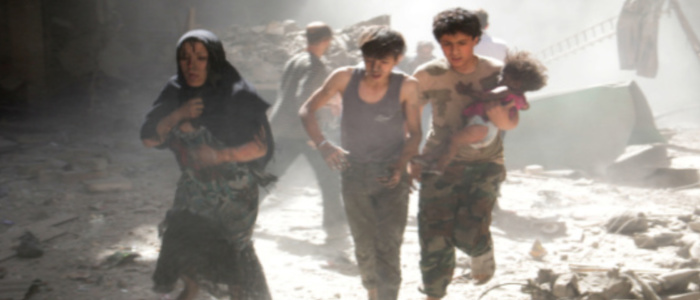
That pattern hasn’t changed. Sudan, Ukraine, Gaza, the West Bank and Myanmar all show the same truth. Even with diplomacy, aid, and global institutions, conflict drags on and people suffer.
The lesson is simple. Human rule has limits, and no age has solved them.
Why Governments Fall Short
The problem goes deeper than poor policy. Governments are run by people, and people are flawed. Power often feeds pride, fear, and self-interest. As a result, leaders protect their image, their position, and their nation before they protect peace.
There’s also a built-in problem. States compete with one another. They guard borders, resources, and influence. So even when they talk about peace, they prepare for conflict. That keeps fear alive.

Laws can punish wrong, but they can’t remove greed, hatred, or pride. Treaties can pause war, but they can’t heal the motives behind it. Because of that, peace built only on policy stays fragile.
A Better Way to Think About Peace
Changing your thinking doesn’t mean rejecting all government. Public authority still has a role. It can maintain order and provide useful services.
But it shouldn’t be treated as humanity’s final hope.
A more honest view is this: governments are limited tools, not saviours. They can manage some problems, but they can’t secure lasting peace for the whole human family.
That kind of clarity matters. It keeps people from putting ultimate trust in leaders, institutions, or political promises that never fully deliver. Additionally, it fosters a more stable hope that remains unaffected by elections, wars, or speeches.
The Bottom Line
Human governments can organise, restrict, and administer. What they can’t do is bring lasting peace and security. History has proved that again and again.
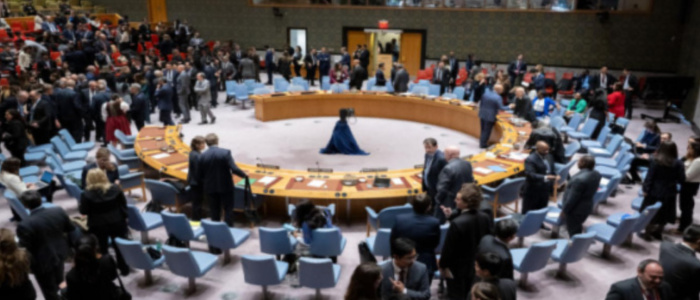
So the real change we need is deeper than politics. We need to be honest about what government can do and clear-eyed about what it can’t. Peace that depends solely on human power will never happen.