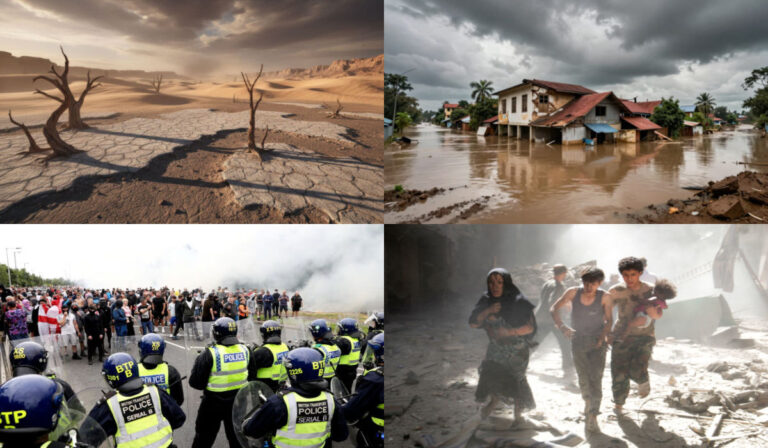
capable or unable?
Since the end of World War II, the international community has increasingly recognised that strong, effective systems of governance are essential for sustaining stability, peace, and long‑term security. The war’s devastation made it clear that political collapse and institutional failure can have consequences that spill across borders, prompting sustained efforts by global organisations, development agencies, and national leaders to promote capable governments that protect citizens, manage resources responsibly, and uphold the rule of law.
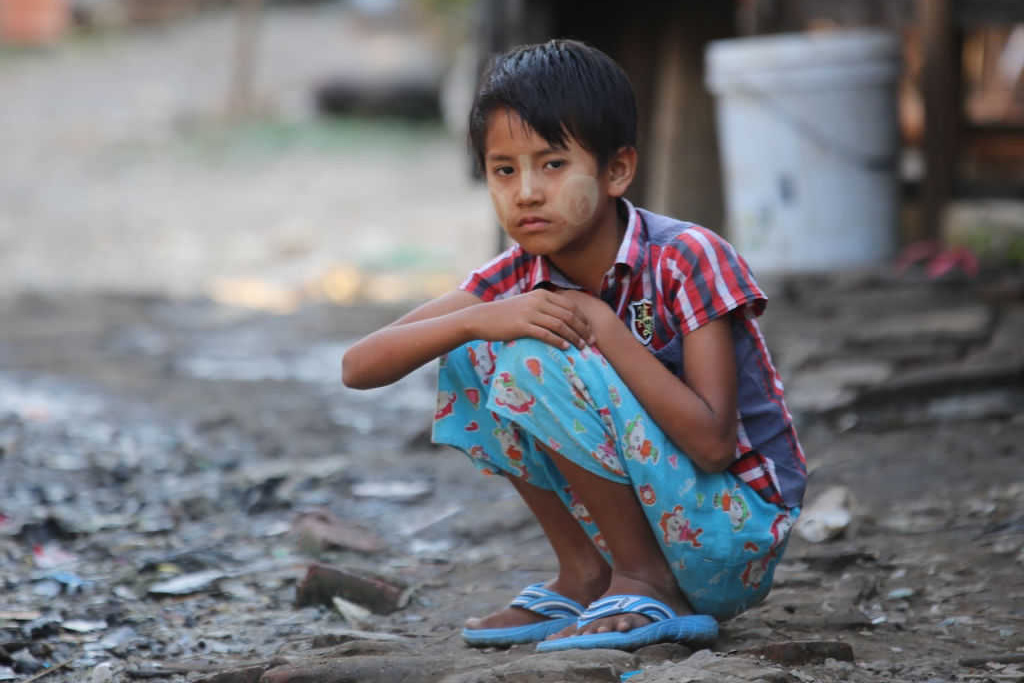
Despite this consensus, many countries have struggled to build or maintain such governance. The result has been recurring cycles of poverty, violence, and political fragility that shape regional and global dynamics.
In numerous countries, governments lack the administrative capacity to deliver basic services, the economic resources needed to stabilise societies, or the public trust required to implement meaningful reforms.
These deficits often create fertile ground for unrest, insurgency, and external interference, further undermining a government’s ability to function effectively. Across history, fragile or failing governments have been more common than stable, well‑governed ones. Governments often come and go in a matter of months or years, only to be replaced by new ones that have the same structural problems.
Many such governments depend on enforcement or influential networks rather than broad legitimacy, and those approaches quickly erode under pressure. Without institutional strength to manage crises or the resources to invest in long‑term development, governments struggle to maintain order or foster sustainable prosperity.
Compounding these challenges are chronic resource shortages: limited fiscal capacity, weak infrastructure, and inadequate administrative systems make effective policy-making and crisis response difficult. Instability becomes self‑reinforcing as unmet needs fuel public frustration, and unrest further depletes a government’s capacity to act.

And finally…
The post-war era sharpened global awareness of the need for effective governance, but it also exposed how difficult achieving it can be. Unfortunately, addressing these enduring dynamics will never see governments deliver peace and security to their citizens!