why prices have soared
Yes, food prices have risen sharply across the world since 2021, reaching record or near-record levels in many places because pandemic supply problems, the war in Ukraine, extreme weather, and higher production costs all hit at once, and while prices have eased a little in some regions since their 2022 peak, they are still well above pre-pandemic levels
Why food prices remain high
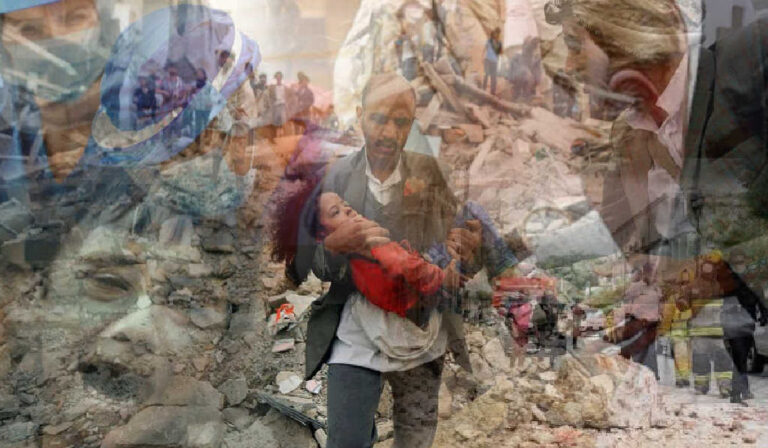
The war in Ukraine has cut global supplies of wheat, maize, and sunflower oil, and conflict in the Middle East has also raised energy and fertiliser costs, so farmers and food producers are paying more to grow, process, and move food
At the same time, climate change has made harvests less reliable because drought, heatwaves, and floods have damaged crops in many countries, and that has pushed up the price of products such as olive oil, potatoes, and sugar
Input costs have also stayed high, especially for fertiliser and fuel, because energy markets have remained unstable, so the cost of food production has increased at every stage
Trade limits have made the situation worse, as some countries have restricted exports of staples such as rice to protect local supply, and that has tightened global markets even more
Regional impact
In the UK, food prices have climbed by more than 25% over the past 5 years, and retailers are still dealing with higher costs, which could keep pressure on shoppers
In the USA, egg prices rose sharply, and food inflation remains a major concern for households, with prices up by more than 23% since 2020
Across Europe, countries such as Spain and Germany have faced steep food inflation because of the war in Ukraine and poor harvests linked to drought
Developing countries in Asia and Sub-Saharan Africa have been hit especially hard, and in India, staples such as rice and onions have seen strong price increases
Russia has also seen food prices rise, driven by an overheated war economy and the effects of international sanctions
What may happen next
Price swings are likely to remain a long-term part of the global food system because weather shocks, conflict, and energy costs still create serious risks
More pressure could build in the months ahead, as El Nino weather patterns and geopolitical tensions, including conflict involving Iran, may trigger further spikes
These high prices have also increased concern about food insecurity, malnutrition, and a wider cost-of-living crisis in many parts of the world
Even so, not every country has followed the same pattern, and China, for example, has seen food prices fall in some areas because supply and demand have not matched in the usual way