Babylon — History, Prophecy, and Meaning
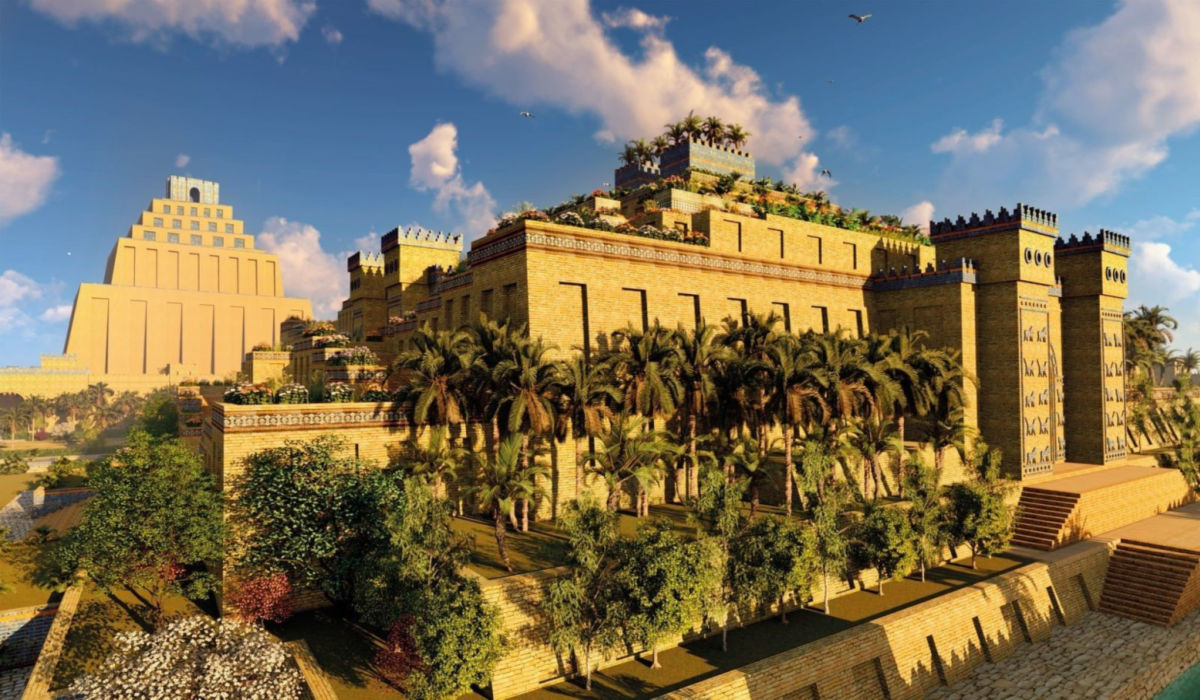
Ancient Babylon stood on a fertile plain south of modern Baghdad. With massive double walls, a wide moat, grand temples, and famous gardens, it was viewed as a city of wonders. The Bible calls it the “Mistress of Kingdoms,” the centre of the third major world power in Bible history, allowing its record to be compared with secular findings.
The book of Daniel names Belshazzar as Babylon’s ruler. Historians once doubted he was ever king, but archaeological discoveries changed that. Clay cylinders from Ur record King Nabonidus praying for “Bel-sar-ussur, my eldest son.” Later evidence showed Belshazzar ruled as regent while his father was away—precisely matching the Bible’s description.
Babylon was also steeped in astrology and divination. The Bible says its king “looked into the liver” before attacking Jerusalem. Archaeologists later uncovered dozens of clay liver models used for omens, confirming this practice and supporting the biblical setting.
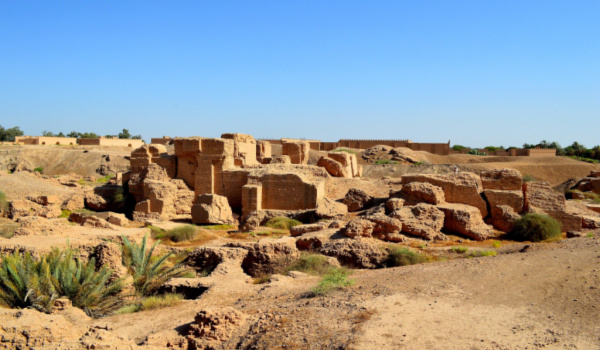
Two centuries before Babylon fell, the prophet Isaiah foretold its destruction and permanent desolation. Babylon was judged for destroying Jerusalem in 607 B.C.E. and exiling its people for 70 years—a period the Bible had already predicted. In 539 B.C.E., as that period ended, the Medes and Persians captured Babylon, beginning its decline into ruins.
Isaiah even named Babylon’s conqueror in advance: Cyrus of Persia. He foretold that gates would open before him and the Euphrates would “dry up.” Greek historians later recorded that Cyrus diverted the river, allowing his troops to enter the city through unguarded gates. Babylon fell in a single night, fulfilling the prophecy in striking detail.
Revelation later uses “Babylon the Great” as a symbol for a global religious system. Ancient Babylon’s beliefs—multiple gods, immortal-soul teachings, and elaborate temple worship—spread widely and appear today in many forms across Christendom. Together, these traditions form the symbolic Babylon the Great.