if a job’s worth doing…
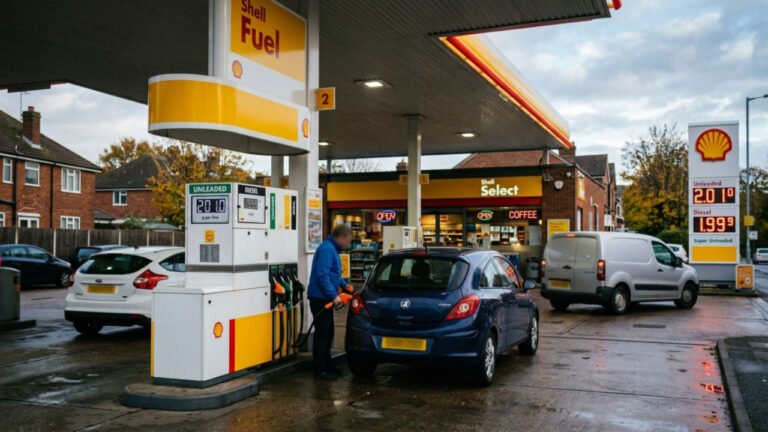
The UK government collects approximately £24 to £25 billion per year from fuel duty alone. According to the Office for Budget Responsibility (OBR), fuel duties raised roughly £24.3 billion in the 2025/26 fiscal year, accounting for about 1.9% of all government tax receipts (equivalent to around £835 per household).
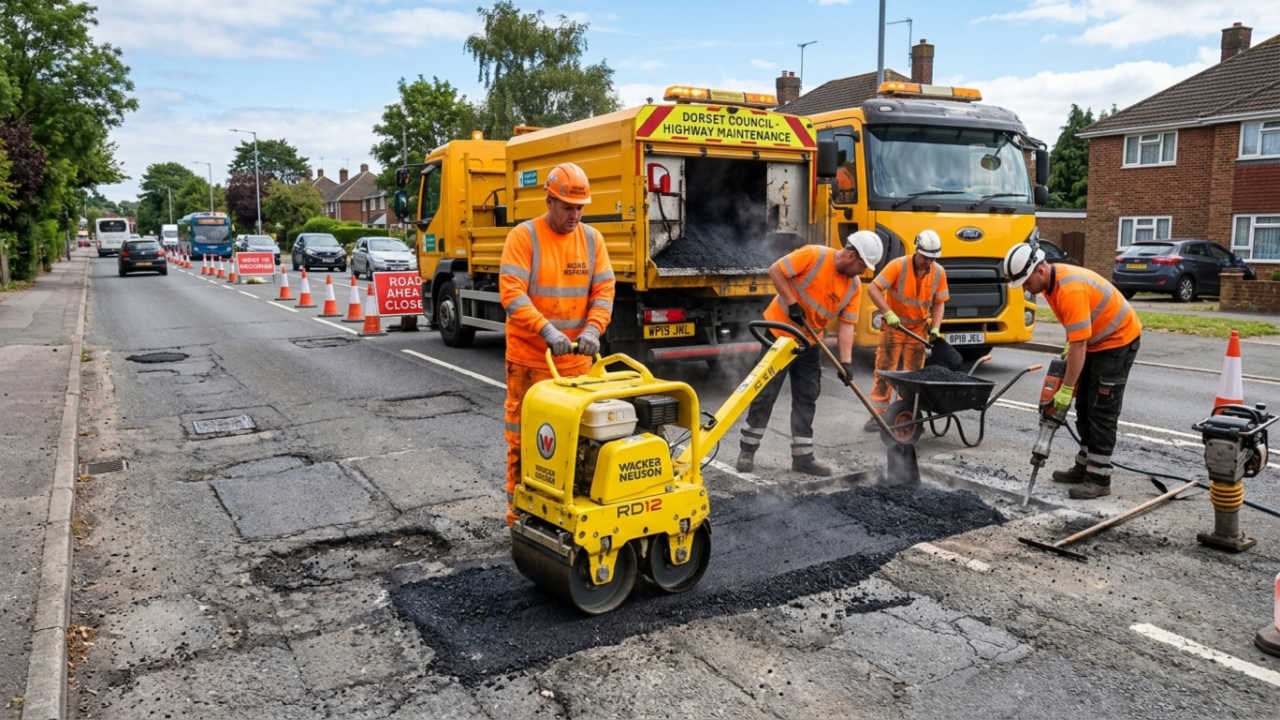
How much does the UK government actually spend on fixing potholes and resurfacing roads? The short answer: billions, though it depends on whether you look at central government hand-outs or what local councils actually spend overall.
Where the Money Comes From
- Central Government Cash: The DfT allocates roughly £1.6 billion a year to local councils in England strictly for road maintenance and pothole fixes.
- The Long-Term Plan: A £7.3 billion multi-year package aims to push annual funding above £2 billion a year by 2030.
What Local Councils Actually Spend
While the central government helps foot the bill, local councils manage the actual work. Across England, councils spend around £4.8 billion a year on local road network upkeep:
| Where the Money Goes | Approx. Annual Spend |
| Resurfacing & Major Repairs (laying new asphalt, structural overlays) | ~£3.0 billion |
| Potholes & Routine Maintenance (filling holes, clearing drains, fixing verges) | ~£1.3 billion |
| Bridges & Streetlights (safety barriers, lighting, structures) | ~£500 million |
The Reality Check
- Performance Rules: Councils cannot just sit on the cash. Around 30% of their annual grant depends on showing they are adopting modern repair methods and publishing clear data on how many potholes they have fixed.

The Repair Backlog: Despite spending billions every year, the Asphalt Industry Alliance (AIA) reckons it would take over £16 billion and a decade of work just to clear the backlogged damage on roads in England and Wales!
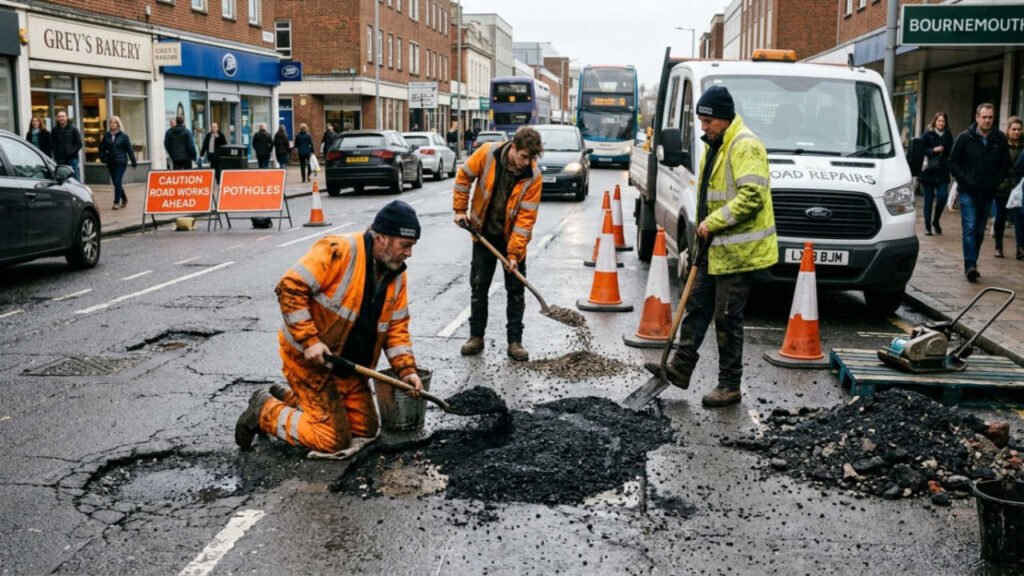
Pothole repairs in the UK are a major source of frustration, and many drivers feel that councils use cheap, temporary fixes that fail quickly: spoiler alert: they do! While it often looks like councils are cutting corners by using substandard materials, the reality is a mix of severely strained local budgets, outdated infrastructure, and the technical trade-offs of quick-fix materials.
Here is a breakdown of why pothole repairs often seem inadequate and how councils actually manage them:
The “Quick Fix” vs. Permanent Repair Dilemma
When you see a worker throwing cold asphalt into a wet hole and compacting it with a shovel, it looks cheap and ineffective. Spoiler alert: it is! This is usually a temporary reactive repair.
Cold Lay Asphalt:
This material is often used for emergency repairs. It can be deployed quickly in any weather (even rain) to make a road safe immediately and prevent vehicle damage or accidents. However, it is not meant to last and easily washes out with more rain and traffic.
Hot Mix Asphalt:
This is the high-quality, standard material used for permanent repairs. It requires cutting out a clean square around the pothole, drying the area, sealing the edges, and pouring hot tarmac. This requires specialised machinery, dry weather, and road closures, making it much more expensive and slower to deploy.
Severe Budget Constraints
Councils are legally obligated to keep roads safe, but they are dealing with a massive funding gap. The Backlog: The cost to fix every broken road in England and Wales is estimated in the billions of pounds.
Rationing Funds:
Because councils do not have the budget to completely resurface every failing road, they are forced to use cheaper, short-term patching methods just to keep up with the sheer volume of complaints and legal safety requirements.
The Weather Factor
The UK’s climate is notoriously tough on road surfaces. Even when a council uses high-quality materials, the freeze-thaw cycle undermines repairs. Water gets into micro-cracks in the road, freezes and expands, and breaks the tarmac apart from underneath. If water gets under a fresh patch, the repair will fail rapidly, regardless of the material used.
How to Hold Your Council Accountable
If a road near you has been poorly repaired or remains dangerous, you have the right to report it. Councils are more likely to prioritise roads with high report volumes. Report it officially: Use services like FixMyStreet or your local council’s direct website to log the pothole. Include photos if it is safe to take them.
Claim for Damage:
If your car is damaged by a pothole, you can submit a compensation claim to the council. However, they can legally reject the claim if they can prove they have a regular inspection routine and weren’t made aware of that specific pothole before your incident.