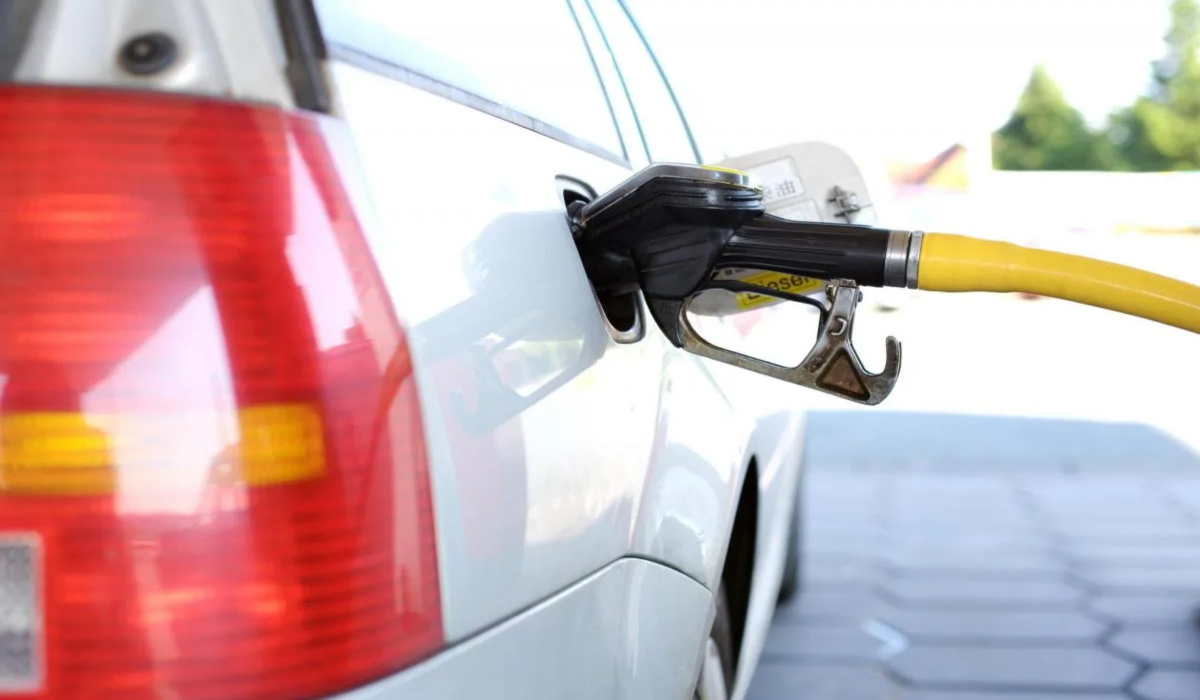
pain at the pump
Fuel prices have shot into the stratosphere again, and—surprise, surprise—the petrol stations are behaving like they’ve never heard of the concept of downward price movement. When wholesale prices rise, they’re on it faster than a seagull on a dropped chip. But when prices fall? Suddenly every forecourt in Britain develops a mysterious, selective form of economic amnesia. Meanwhile, the digital display on the pump clings to last month’s peak price.
It’s almost impressive, the sheer athleticism with which petrol stations leap to adjust prices upwards. Oil goes up a fraction of a penny somewhere in the world and—bam—your local station has slapped another 5p on the litre before you’ve even finished your morning brew. But when oil drops? When global markets calm down? When analysts say prices should fall? Suddenly the pumps move slower than a pensioner counting out coppers at the till.
And the excuses. Oh, the excuses. “We’re still selling through old stock.” “Market volatility.” “Operational costs.” Translation: “We’ll drop the price when we’re good and ready, and not a moment sooner.”
Meanwhile, the rest of us are standing there, nozzle in hand, watching the numbers spin like a fruit machine that never pays out. You start wondering if you should remortgage the house just to fill the tank halfway. Or maybe take up cycling. Or maybe just embrace hermit life and never leave the driveway again.
The whole thing feels like a national sport: Pump Price Stickiness, sponsored by “We Know You’ll Pay It Anyway Ltd.”
Fuel prices soar. Petrol stations soar faster. Prices fall. Petrol stations take a long, contemplative nap.
The moral of the story… in the great British fuel game, the only thing that moves slower than the M25 is a petrol station lowering its prices!