Where your money goes at the pump
Filling up the car nowadays is an absolute ‘wallet-buster’, isn’t it? Every time you pull up to the pump, it’s hard not to wonder why petrol and diesel cost an arm and a leg. But here’s the kicker—when you buy a litre of fuel in the UK, most of what you’re paying for isn’t the fuel… IT’S GOING STRAIGHT TO THE TAXMAN!
To put it in perspective, raw crude oil actually breaks down to just 50p a litre for Brent crude and about 44p a litre for US WTI crude. (West Texas Intermediate)
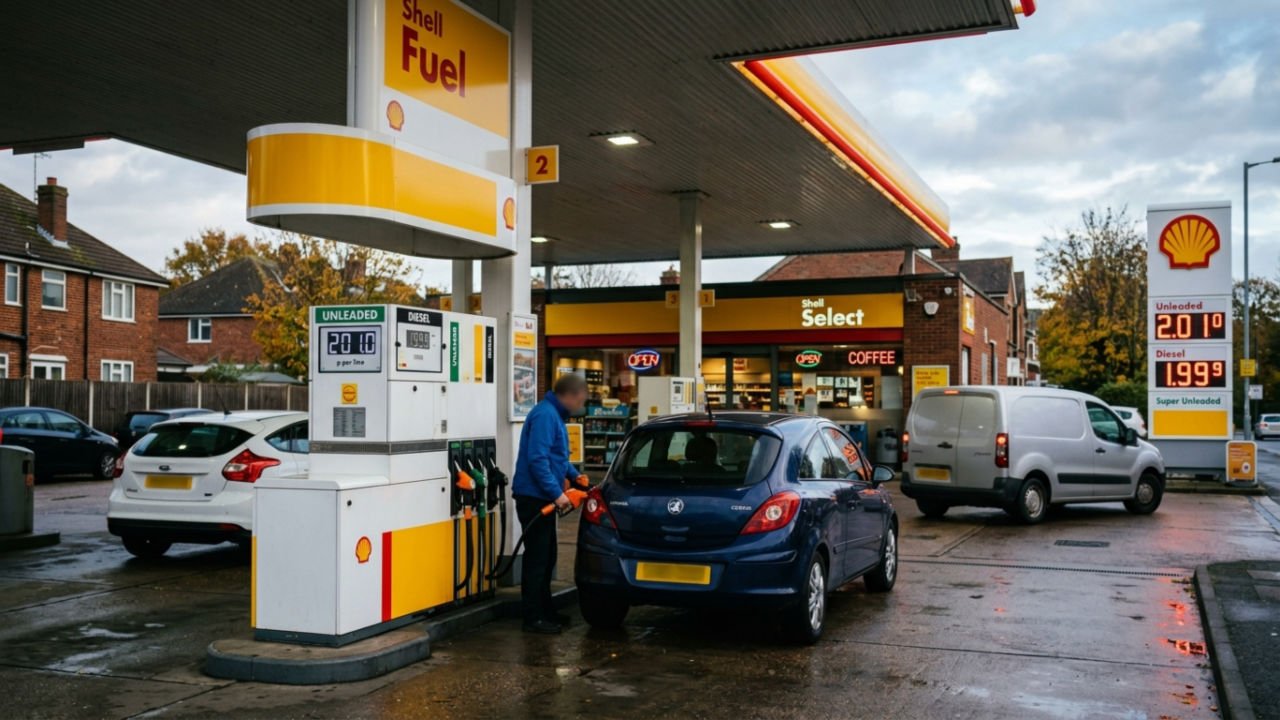
Yet at the pumps, we’re paying an average of 173.08p a litre for petrol and a painful 197.31p a litre for diesel.
📊 Where Does Your Money Actually Go?
More than half of what you hand over goes straight to government taxes, which is why there’s such a massive gap between crude oil prices and what you actually pay:
- Fuel Duty: 52.95p per litre
A fixed flat tax on every single litre you buy, no matter how cheap or expensive oil gets on the world market. [4] - 20% VAT: ~28p to 33p per litre
A standard 20% sales tax was slapped onto the entire final bill. Because VAT is added last, you’re literally paying a tax on a tax (VAT charged on top of the fuel duty). - Wholesale, Refining & Eco Rules: ~60p to 85p per litre
What it costs to ship the crude, process it into real fuel, and mix in mandatory green additives (like the ethanol in E10 petrol). - Delivery & Station Margins: ~15p to 25p per litre
Covers trucking the fuel to your local station, keeping the lights on, and a tiny profit margin for the forecourt owner.
🔍 Why Is Diesel So Much More Expensive Than Petrol?
Even though petrol and diesel start off as the exact same crude oil, diesel is trading at a huge premium right now. Supply squeezes on refined diesel have jacked up its wholesale price completely separately from crude oil. That separate market pressure is why diesel is sitting about 24p higher than petrol at UK pumps right now.
1. Breakdown of Taxes on a Litre of Petrol
Tax accounts for roughly half of the total price you pay at the pump. When you buy a litre of standard petrol (assuming an average pump price of around 140p to 145p), the cost breaks down into three distinct components:
| Component | Cost per Litre | Percentage of Total | Description |
|---|---|---|---|
| Wholesale Fuel & Margin | ~65p – 68p | ~47% | The actual cost of the crude oil, refining, distribution, and retailer profit margin. |
| Fuel Duty | 52.95p | ~37% | A fixed statutory flat tax levied by the government on every single litre of fuel sold. |
| VAT (20%) | ~23.5p – 24p | ~16% | Value Added Tax is applied to the combined total of the fuel cost and the fuel duty itself (effectively a “tax on tax”). |
2. Schedule for Upcoming Fuel Duty Rate Changes
The temporary 5p fuel duty reduction has been repeatedly extended to protect motorists from spiking energy costs. However, the government has legislated a phased return to pre-2022 levels.
The current legislative roadmap is scheduled as follows:
- Current Rate: 52.95p per litre (includes the 5p discount).
- 1 January 2027: Rises by 3p to 55.95p per litre.
- 1 March 2027: Rises by a further 2p to 57.95p per litre (completely reversing the 5p cut).
- April 2027 onwards: Fuel duty is planned to end its multi-year freeze and begin rising annually in line with the Retail Prices Index (RPI) inflation.
3. Replacing the Revenue: Electric Vehicle (EV) Taxes
As fuel duty receipts decline due to EV adoption, the government is executing a multi-stage plan to transition from taxing fuel to taxing road usage.
Phase 1: Ending the £0 Road Tax
EVs are no longer exempt from standard Vehicle Excise Duty (VED/road tax).
- Standard Rate: Zero-emission cars pay a £10 first-year rate, followed by the standard flat rate of £200 per year thereafter.
- Luxury EV Tax: EVs with a list price exceeding £50,000 are subject to an “Expensive Car Supplement” of £440, bringing their total annual VED to £640 for years 2 through 6.
Phase 2: Pay-Per-Mile “eVED” Starting April 2028
(That’s if we’re still here by then!)
The government has officially confirmed the implementation of Electric Vehicle Excise Duty (eVED), a nationwide mileage-based motoring tax:
- The Rates: Drivers will be charged 3p per mile for battery-electric vehicles (BEVs) and 1.5p per mile for plug-in hybrids (PHEVs).
- How it works: To protect privacy, no GPS tracking devices will be installed in cars. Instead, drivers will submit an annual odometer reading alongside their VED renewal, predicting and settling their mileage costs either upfront or via monthly direct debits.
- Cost Impact: An average EV driver travelling 8,500 miles a year will face a new tax bill of roughly £255 annually. This rate is indexed to inflation and is calculated to be roughly half the tax-per-mile burden currently paid by combustion engine vehicles.