a life in politics
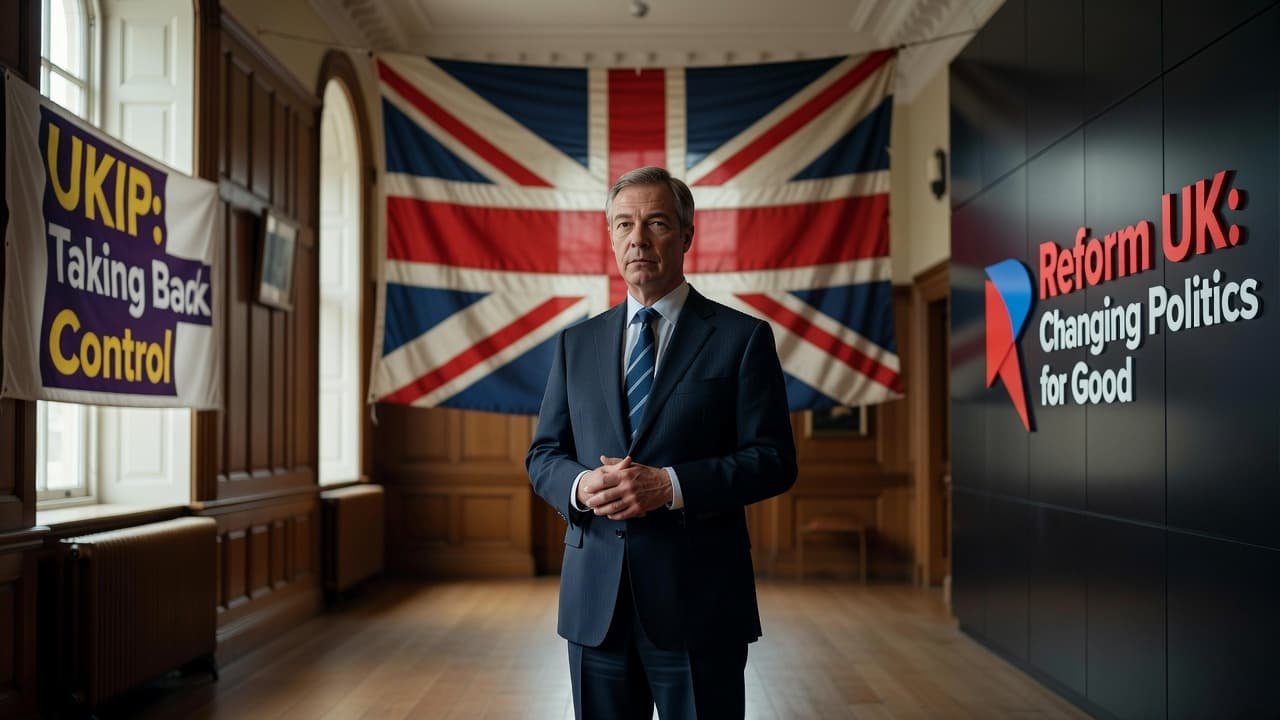
The political movement, UKIP, led by Mr Farage promised a brighter economic future outside the single market. Years later, the economic reality paints a very different picture for the United Kingdom. Leaving the European Union hasn’t solved our structural problems…. It has made us worse off.
Trade Obstacles and Higher Costs
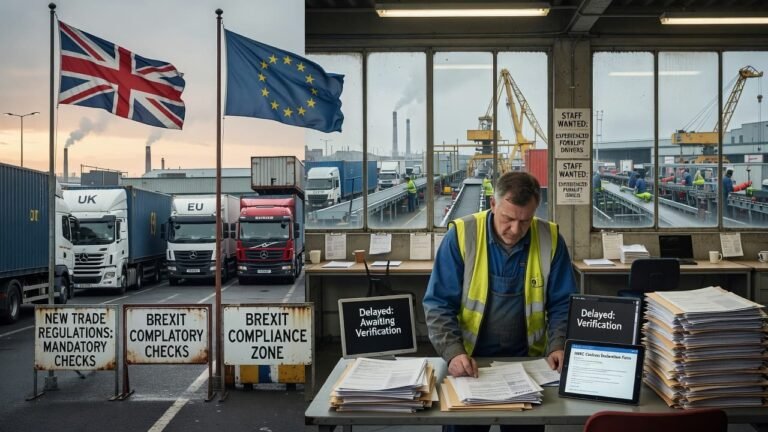
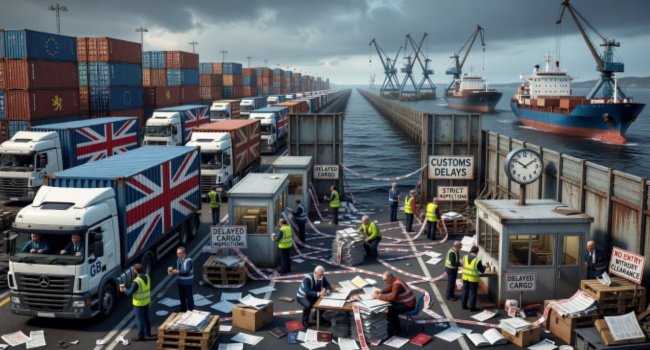
The promises of seamless trade deals didn’t deliver the promised prosperity. Businesses across the nation now face mounds of red tape, custom checks, and supply delays.
Small firms suffer the most because they don’t have the resources to absorb extra administrative costs. As one business analyst noted, “The trade barriers created by leaving the single market hit small exporters the hardest.” Extra friction at borders has pushed up food prices, leaving ordinary households to bear the financial brunt.
Labour Shortages and Reduced Growth
Proponents promised that controlling borders would instantly boost local wages and standards. Instead, critical sectors like agriculture, healthcare, and hospitality face severe worker shortages.

The Office for Budget Responsibility estimates that leaving the European bloc will reduce long-run gross domestic product by 4%. That loss means billions less for public services like hospitals and local roads. As an economic researcher pointed out, “The reduction in trade intensity acts as a permanent handbrake on productivity growth.”
A Smaller Presence on the World Stage
The political campaign promised total global influence, but global standing doesn’t work that way. Outside the main European bloc, the country holds less leverage in trade negotiations with foreign powers.
The movement led by prominent political figures promised control and riches. Ultimately, it delivered extra bureaucracy, reduced growth, and a weaker economic standing across the world… thanks Nige.