A Revolution That Promised the World
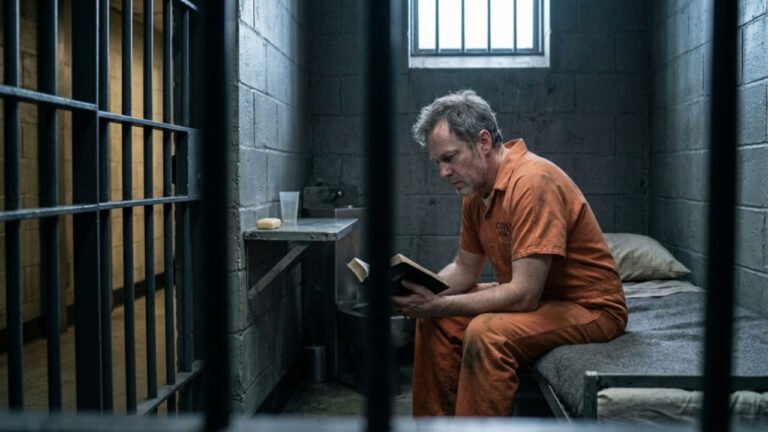
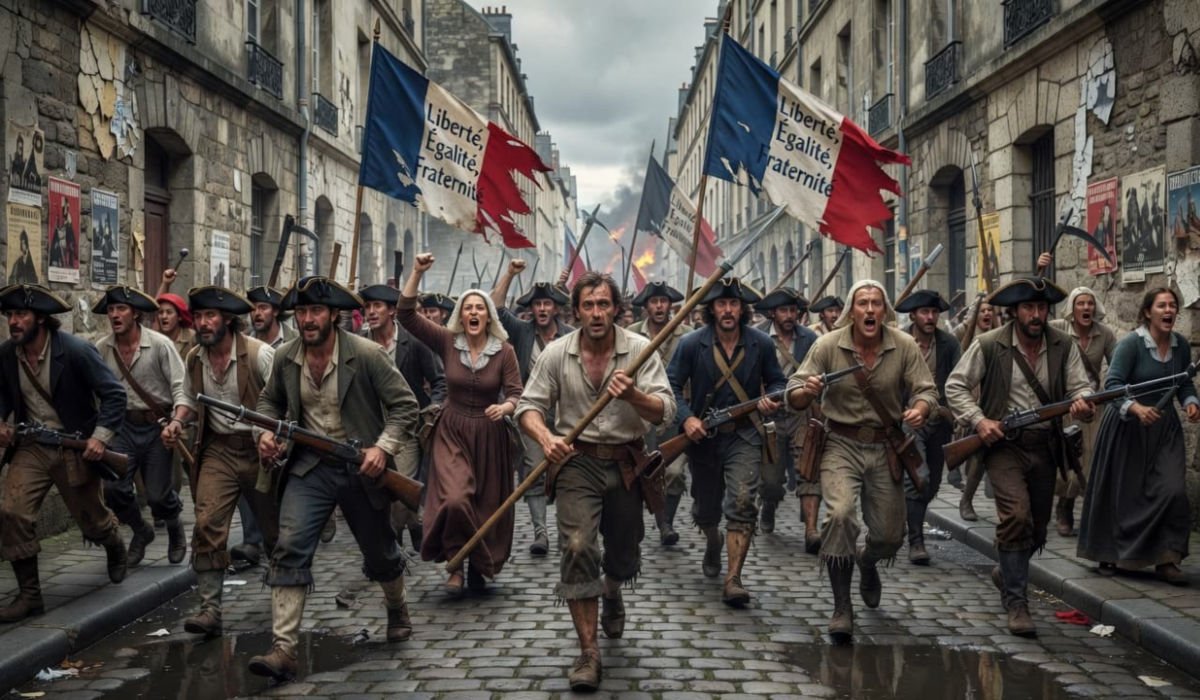
The destruction of the Bastille on July 14, 1789, marked the end of an age. As a prison notorious for holding victims of injustice, it had long served as a symbol of the harsh rule of the French Bourbon monarchy. European thinkers initially hailed the uprising—with its rousing call of “Liberty, Equality, and Fraternity”—as the dawn of a peaceful new era for mankind.
However, history shows these hopeful dreams were short-lived. While the National Assembly (1789–1791) attempted to build a fair democracy, the subsequent government quickly fractured. Riots and massacres brought near-anarchy to Paris. The new regime executed King Louis XVI and unleashed the Reign of Terror, a brutal phase that destroyed not only the perceived enemies of the revolution but also many of its own citizens.
Full Circle and Back Again
The radical Terror was eventually replaced by the more moderate Directory, which paved the way for the rise of Napoleon Bonaparte. By 1804, Napoleon had declared himself emperor, famously stating years later, “I rule only through the fear that I create.”
In a few short years, France’s government had gone completely full circle. The irony deepened after Napoleon’s fall, when the Bourbon monarchy was restored to the throne under Louis XVIII—returning, as critics noted, having learned nothing and forgotten nothing.
Have We Learned Anything?
This cycle serves as a stark example of a repeating historical pattern. As the German philosopher Georg W. F. Hegel observed:
“People and governments have never learnt anything from history or acted upon principles deducible from it.”
This prompts vital questions for our modern age: Why does humanity continuously repeat these mistakes? What lessons are we failing to learn from history, and how can we personally benefit from them?