Trusting Human Government or God’s Word?
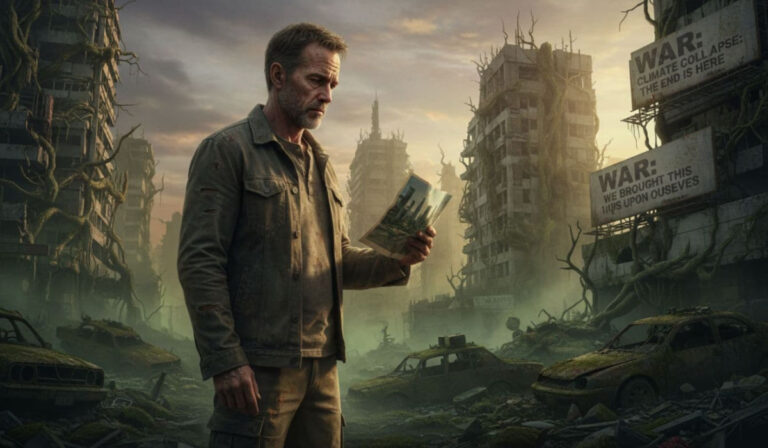
Millions of people look to governments for peace, safety, and justice. That figures, because governments shape our daily lives. Yet history keeps showing the same challenging truth—human government cannot resolve the world’s problems … in fact, they are the cause of most!
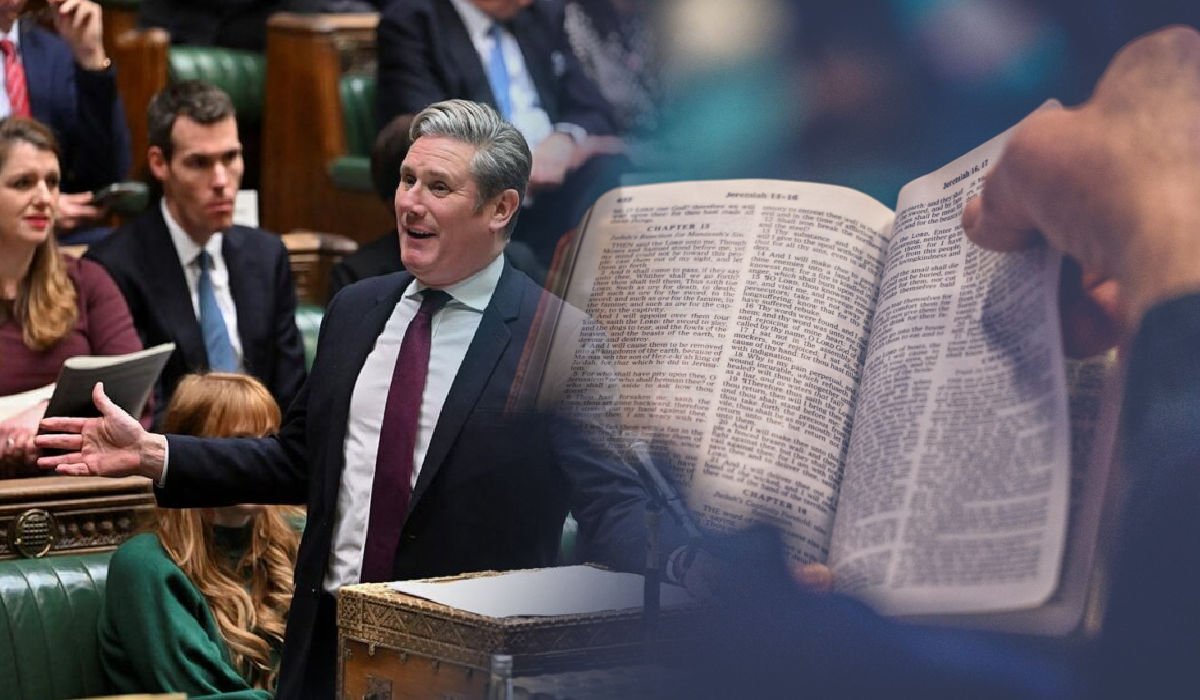
Now, the Bible offers a different foundation. It presents God’s Word as steady and truthful and is supported by verified prophecy. When we compare the record of human rule with the record of Scripture, we find that trust in God consistently surpasses faulty political systems!
Human governments promise a lot, but history shows their limits
Ok, so governments can do some useful things … they can build roads, keep order (to a degree), punish crime (if they catch them), and protect basic rights (debatable). Still, even at their best, they are incapable of eradicating war, greed, inequality, sickness, violence, or death.
That point matters. The issue is not whether some leaders are better than others; the issue is whether human rule, by itself, can bring lasting peace and true justice. So far, it has got nowhere near!
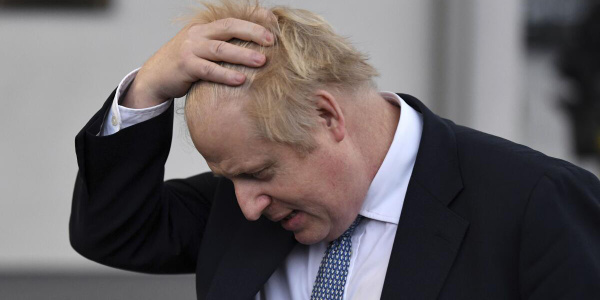
Why even the best rulers still fall short
Every government is human, so therefore every ruler is limited by their inherent imperfections. Leaders make poor choices, give in to pressure, and often think first about themselves. Even the honest officials have to work inside flawed systems. While laws may temporarily curb evil, they cannot transform the heart, and that’s why reforms often fade. One leader comes with hope, then another reverses the plan. A strong economy turns weak. A promise of peace gives way to fear. No government has built a world where all people live safely, fairly, and forever.
“Human rule can manage some problems, but it cannot cure the deeper ones.“
The Bible explains the problem clearly: people are flawed and drawn to sin, so no human system can fully fix what sits in human nature

Same old, same old
History keeps proving it. Governments rise with high claims, then fall through pride, greed, violence, and broken trust. World leaders speak of peace, yet prepare for war, and ordinary people pay the price. Economies also swing in cycles, wealth gathers at the top, jobs go, prices rise, and leaders promise change without curing the deeper problem
That’s why many Christians don’t place their deepest trust in politics. They may respect the law, but they expect little from human rule because history keeps showing its limits
The Bible gives stronger grounds for trust because it doesn’t rest on human guesswork. It speaks about moral truth and fulfilled prophecy. Daniel points to the rise and fall of world powers, Micah 5:2 points to the Messiah’s birth in Bethlehem; Isaiah 53 speaks of his suffering, and Jesus foretold Jerusalem’s destruction, later fulfilled in AD 70
Because of that, many see the Bible as more than just a book. It keeps one clear message across centuries, about sin, mercy, judgement, the Messiah, and God’s Kingdom
This also changes how a person lives now. If hope rests on elections or leaders, peace rises and falls with the news. If hope rests on God, there’s steadiness. Politics shifts, culture shifts, leaders come and go, but Scripture gives moral direction and lasting hope
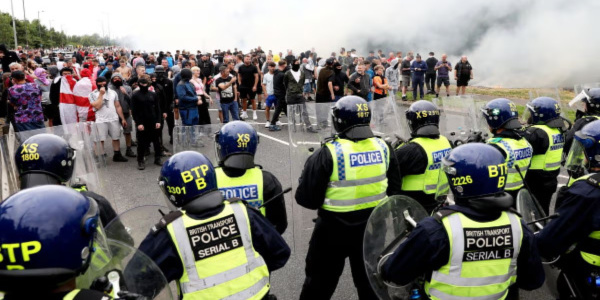
Trusting the Bible doesn’t mean leaving public life behind; it means giving first loyalty to God. Human governments can restrain some disorder for a time, but the Bible presents God’s Kingdom as the only lasting answer, righteous, peaceful, and free from corruption

And finally…
In the end, the choice is simple… trust human governments that continuously fail to deliver, or trust God’s Word, which points to fulfilled prophecy and a consistent message from start to finish – which will you choose?