government corruption
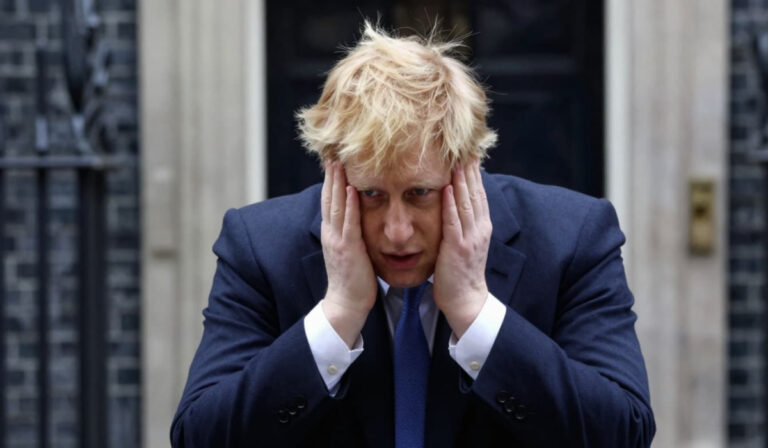
The UK recorded its lowest position yet in Transparency International’s Corruption Perceptions Index, falling to 20th place in 2023. This drop points to rising concern about political misconduct, lobbying, and conflicts of interest. Common complaints include cronyism, such as the award of COVID-19 contracts and public roles to political allies, as well as undue influence from major donors.
Key concerns in UK government corruption
The system has a rich history of scandal over the past century in British politics. Many critics believe ministers have shown a careless approach to long-standing rules and expectations.
This view grew during the Johnson government, after a series of scandals linked to rule-breaking during the pandemic, including Barnard Castle, and controversy over peerage appointments.
Lobbying, donor influence and the ‘cash for honours‘ scandal also draw strong criticism. Private interests are often seen as having too much sway over policy, especially through lobbyists and loosely funded think tanks. As a result, public trust in decision-making has weakened.
Public contracting is another high-risk area. Investigations have focused on the VIP lane for COVID-19 PPE contracts, where companies with political ties appeared to receive priority treatment. This raised serious questions about fairness, oversight, and value for public money.
At the same time, the government has brought in anti-corruption measures to improve openness. These include the Bribery Act, Unexplained Wealth Orders (UWOs), and stronger beneficial ownership registers. The aim is to make hidden wealth and suspicious financial activity harder to conceal.
Common issues and scandals
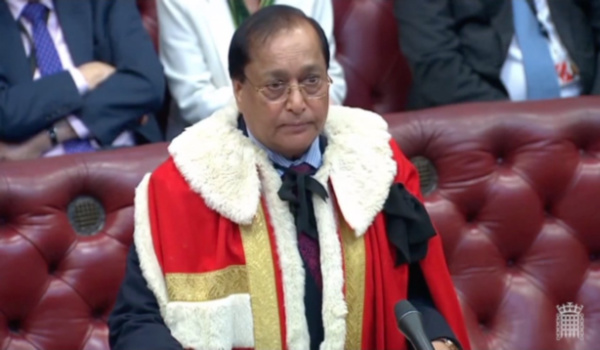
Claims of cash for honours and paid access continue to cause concern. Allegations often centre on whether major donors receive seats in the House of Lords or other forms of political favour.
Broader claims of sleaze and conflicts of interest have also shaped public debate. Well-known examples include the 2009 expenses scandal, the Greensill Capital affair, and questions over the financing of the Downing Street flat refurbishment.
The UK also faces criticism on the international stage. It is widely seen as a centre for money laundering and the storage of dirty money, often through corporate enablers and weak oversight. A 2025 economic crime survey highlighted these risks and reinforced concern about the country’s role in enabling global corruption.

And finally…
History makes it plain to see that mankind can’t govern itself because power, pride, self-interest and imperfection keep bringing harm, division, and ultimate failure, so human rule never has, does or ever will bring lasting justice, peace or security… FACT!