peace talks … what peace talks?
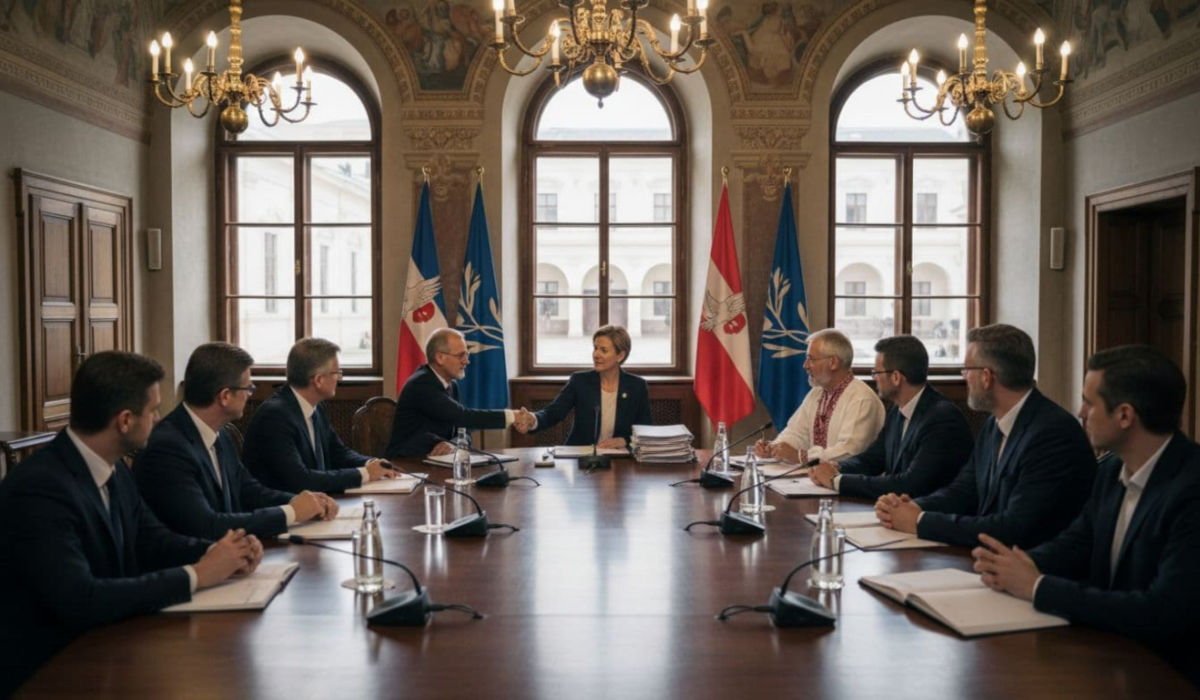
Cameras love peace talks. World leaders shake hands, smile for the camera, and sound as if they’ve completed the hard part. Then the tune changes fast, with threats, sanctions, and bombing continuing even before the chairs are cold!
That isn’t a freak slip, it’s a pattern. Too often, peace talks are sold as moral progress while pressure keeps running in the background, which is why public hope can disappear almost as soon as the press conference ends.
Why peace talks often look better on camera than in real life
Peace talks appear to look sincere, but in reality, they are just theatre in expensive suits! A summit image buys time, calms voters, and helps leaders look sensible at home. Behind the smiles, each side may still be stalling, testing limits, or trying to pin blame on the other before the next shove. That makes the peace table look less like a bridge and more like a waiting room before the next punch.
A handshake can hide a threat
A public promise of dialogue means little if private threats keep flying. One leader praises restraint, another hints at punishment, and trust cracks before the ink is dry. Once that happens, even a fair offer starts to smell dodgy, because nobody believes the hand on the table is the only hand in play.
Recent examples show how quickly talk turns into pressure
As of early April 2026, no confirmed major peace summit has produced a breakthrough. The clearest live case is the stand-off between Washington and Tehran. Messages have moved through mediators, and officials have sounded hopeful in public, yet the mood around those contacts still swings hard between peace talk and open menace.
Iran and the US, progress in private, threats in public
Late March and early April reporting described back-channel contact through countries such as Pakistan, Egypt, and Turkey. US officials pushed terms tied to Iran’s nuclear stockpile and hinted a ceasefire could happen. Simultaneously, the US president cautioned against broader strikes and suggested that failure in talks could lead to Iran’s destruction. Iran’s foreign minister answered with no negotiations and zero trust in the US. That sort of split message doesn’t build peace; it poisons it!
Ukraine gets calls for peace, while pressure still rises
The reporting reviewed this month shows no fresh Ukraine-Russia summit or real diplomatic leap. Still, the wider script remains familiar. Leaders continue to employ the rhetoric of peace, while military planning, arms support, and pressure campaigns remain readily available. Everyone talks about off-ramps, yet few stop building the road to escalation.
What real peace-making would need, and why leaders struggle to do it
Real peace-making is slow, dull, and deeply unfashionable. It needs steady words, patient trust, and a willingness to give something up. That’s where many leaders start sweating through the suit, because they fear looking weak, upsetting allies, or handing rivals an easy attack line at home.
You cannot build trust while keeping one hand on the trigger
Talks fail when peace becomes a tactic rather than the aim. If threats stay on standby, every promise sounds rented and every compromise looks temporary.
The camera flash is the easy part. The challenging part starts after the smiles, when leaders must prove their words cost something. Peace talks still matter, but words are cheap when podium speeches turn back into pressure and violence!