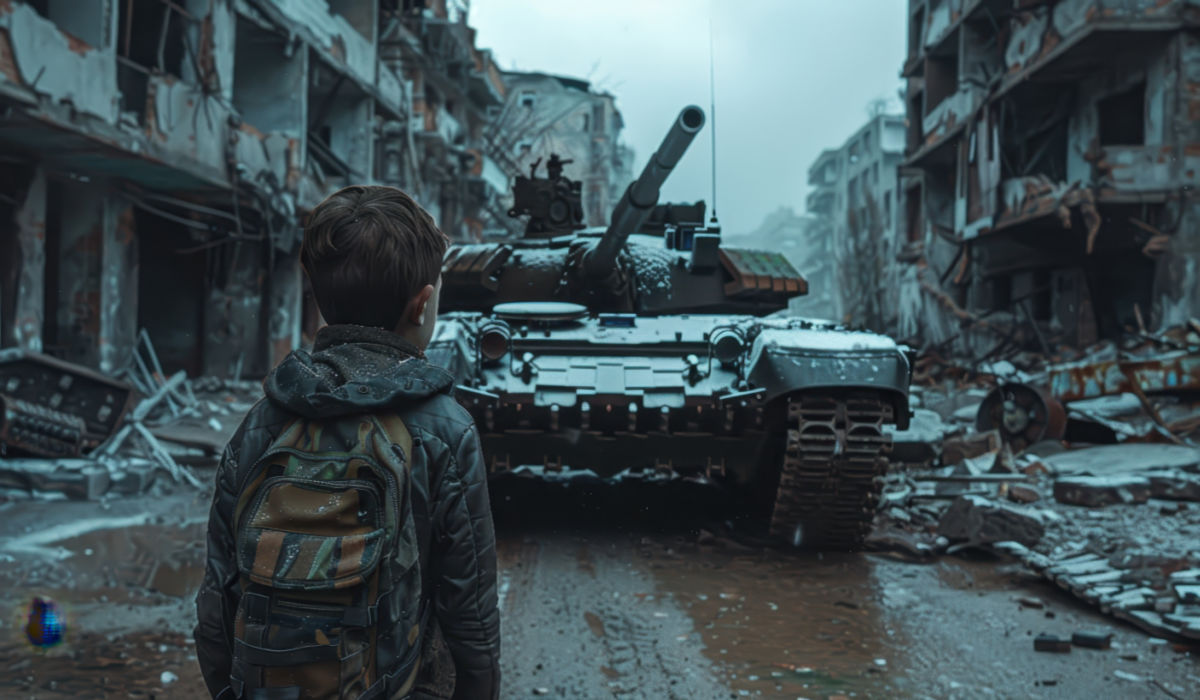
war & peace – never the twain ….
War Destroys the Foundations of Peace
Leaders often claim war can bring order and safety. In practice, it destroys the things peace depends on, homes, schools, hospitals, jobs, and family life. A bomb can erase years of work in minutes. What disappears isn’t just brick and concrete, but trust, routine, and the sense that life can go on.
For civilians, war isn’t a plan on a map. It’s the loss of a street, a classroom, a shop, or a home. If peace means living without fear, then war fails that test from the start.
Civilians Carry the Heaviest Burden
When bombs fall, civilians pay first. People die in their beds, in queues, and on roads as they flee. Many more survive with burns, trauma, hunger, and grief. Children grow up with fear as part of daily life, while parents learn how little they can carry when they have to run.
Those who escape often lose almost everything. Camps and temporary shelter may keep people alive, but they can’t replace home, work, or belonging. As war drags on, displacement becomes another kind of wound.
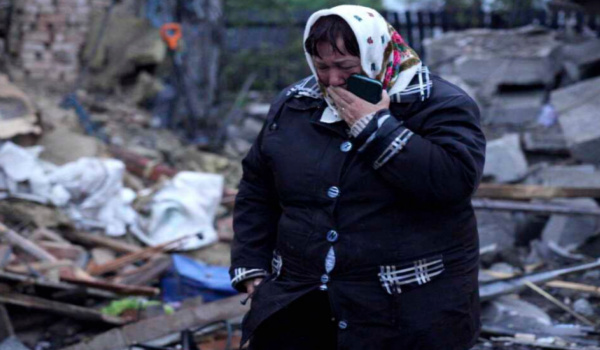
A Ruined City Can’t Offer Peace
Peace isn’t just the absence of gunfire. A city needs clean water, power, transport, clinics, schools, and safe housing. When war destroys those basics, it also destroys the conditions that make ordinary life possible.
Rebuilding takes far longer than destruction. Rubble can pile up in hours, but repair can take years. Even then, many people don’t return, either because the danger remains or because the place they knew has gone.
The Language of Security Can Hide the Damage
Leaders rarely say war brings peace outright. Instead, they talk about security, deterrence, and defence. Sometimes those terms fit. Still, they can also hide the reality on the ground. Air strikes become operations. Forced flight becomes pressure. Meanwhile, civilians are buried under rubble or left without medicine, food, and shelter.
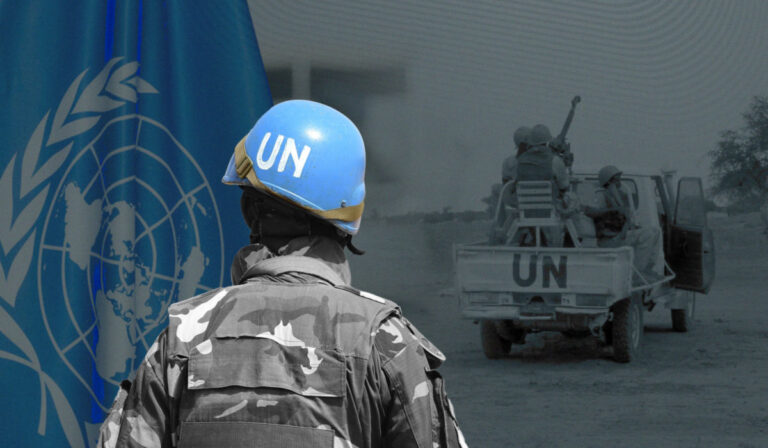
As the UN Secretary-General put it, A safer world begins by investing more in fighting poverty and less in fighting wars. Peace must prevail. The point is simple. Once violence spreads, leaders lose control of far more than they admit.
Force May Win Ground, But It Rarely Builds Peace
Recent wars keep proving the same thing. Ukraine, Gaza, Sudan, and Yemen have all seen mass death, displacement, and shattered services. In Gaza, more than 60% of homes were destroyed. These aren’t signs of peace in the making. They’re signs of a society being torn apart.
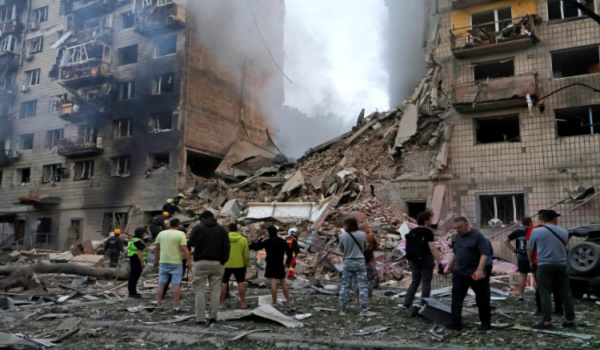
History says much the same. Iraq gained some stability only after years of bloodshed and deep damage. Afghanistan ended with the Taliban back in power. Libya removed a ruler but left division and militia rule. Force can topple governments or shift front lines, but it can’t build trust, justice, or civic life on its own.
Real Peace Starts With Civilian Safety
Lasting peace needs more than a ceasefire. It needs safety, working institutions, justice, and a real chance for people to rebuild. Families must be able to return home. Children must be able to study. Hospitals must be able to treat the sick.
That’s why bombing cities in the name of peace is a contradiction. You can’t destroy the basis of daily life and expect peace to grow from the ruins.
Count the Human Cost First
Any claim about peace should be judged by one clear measure…. what happened to ordinary families? Did they keep their homes, loved ones, schools, and future, or were they driven out with nothing?
War can silence a place for a while, but silence isn’t peace. For the family leaving a bombed city, there is no victory, there is only loss.
The Horror of War
War and violent conflict leave deep scars on people, and few things cause more pain or lasting harm. Both soldiers and civilians across the world know this suffering from direct experience
Soldiers
“Disasters, life-changing wounds, and death happen all around you, and you live with constant uncertainty.” …. Aaron, Britain
“Bullets struck my back and face, and I watched many people die, including children and older people. War can make your heart grow cold.” …. Mateo, Colombia
“When someone is shot right in front of you, the image stays with you. The screams and cries go on in your mind, and you never forget that person.” …. Samira, United States
Civilians
“I felt as if happiness had gone for good. You fear for your own life, but even more, you fear for your family and friends.” …. Iryna, Ukraine
“It is frightening to queue for food from 2.00 a.m. until 11.00 p.m., never knowing whether a stray bullet will hit you.” …. Kamol, Tajikistan
“War took my parents from me. It left me an orphan, with no one to comfort me or look after me.” …. Nadine, Rwanda
In spite of war’s terrible effects, the people quoted here have found peace, and they are sure that war and violent conflict will soon come to an end. The Bible shows how that will happen.