Only ourselves to blame (1)

only ourselves to blame

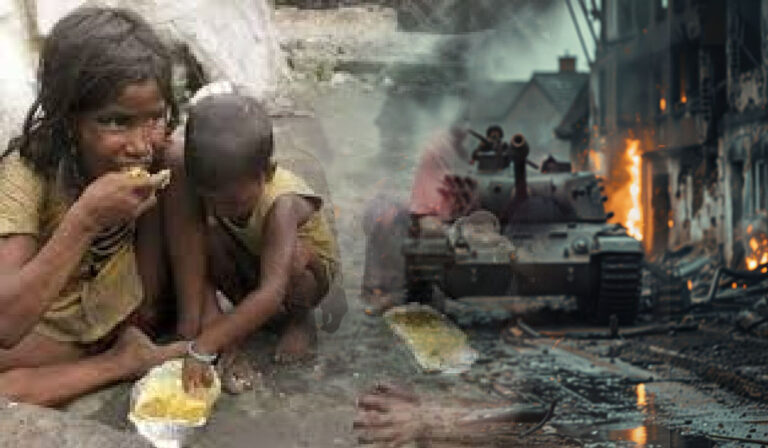
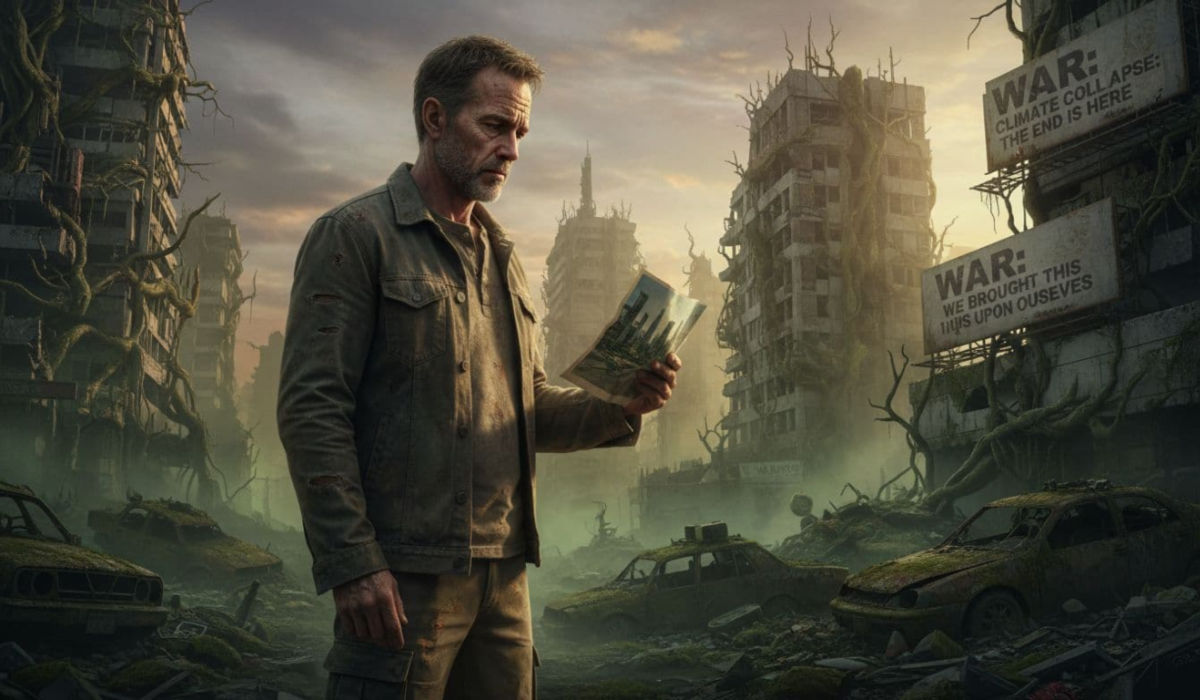
It’s clearer than ever that humanity sits at the centre of the crises reshaping our world. Climate change isn’t an accident of nature; it’s the direct result of human decisions made over decades. Industrial growth, mass consumption, and an addiction to fossil fuels have pumped billions of tonnes of toxic pollutants into the atmosphere. These emissions trap heat, destabilise weather systems, and push global temperatures higher. Scientists consistently show that human activity is the dominant driver of this acceleration.

Deforestation only deepens the damage. Forests once acted as the planet’s natural stabilisers, absorbing carbon and supporting ecosystems. But humanity has been chopping them down at a staggering rate for agriculture, mining, and development. With every acre lost, the planet loses another layer of protection. Species disappear, soil degrades, and the climate becomes even more volatile.
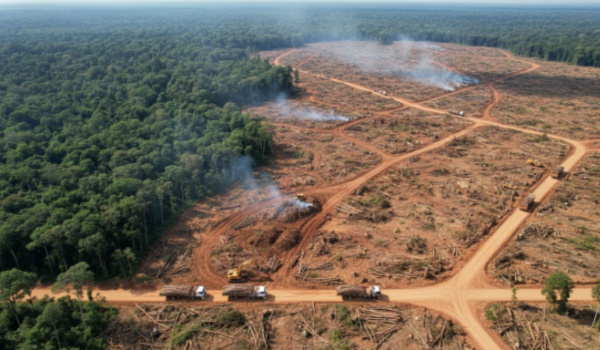
deforestation-forest-clearing-environmental-impact-
Extensive deforestation with large areas of forest cleared for agriculture and logging, illustrating environmental degradation.

These environmental pressures feed directly into the rising cost of living. Extreme weather disrupts harvests, damages infrastructure, and drives up food and energy prices. Supply chains buckle under the strain of floods, droughts, and storms. When the environment becomes unstable, economies follow. Many analysts argue that today’s inflation is tied not only to financial policy but also to the growing instability of the natural world.

Wars add another layer of chaos to the mix. Conflict destroys resources, displaces millions, and sends global markets into turmoil. Oil supplies are disrupted, shipping becomes unpredictable, and uncertainty pushes prices higher. Political tensions only intensify these pressures. Various news outlets have reported that statements and actions by political leaders—including Donald Trump—have contributed to rising tensions with Iran. Commentators debate whether such rhetoric worsens or diffuses conflict, but instability always comes with a price tag.

Empty promises keep the cycle going—and costs will keep steadily increasing.

When you connect the dots, the pattern is unmistakable. Humanity’s environmental, economic, and political choices are creating a world that is hotter, more expensive, and more volatile. The causes are man-made, but not the solutions. Until meaningful action replaces empty promises, the cycle will continue—and the cost will keep rising.
Similar Posts

  • Trusting Human Government or God’s Word?

    Millions of people look to governments for peace, safety, and justice. That figures, because governments shape our daily lives. Yet history keeps showing the same challenging truth—human government cannot resolve the world’s problems … in fact, they are the cause of most! Now, the Bible offers a different foundation. It presents God’s Word as steady…

  • beware of false religion

    Many People Are Misled Many sincere people still don’t know the truth about God or mankind’s future. As a result, they live with confusion and follow teachings and customs that don’t come from God. Ideas such as hellfire, the Trinity, and the immortality of the soul have spread widely, even though they don’t reflect God’s…

  • paying through the nose

    Judging whether petrol retailers are “profiteering” requires a close look at fuel margins and how quickly changes in wholesale costs reach drivers at the pump, while ministers and motoring groups often point to high forecourt prices as proof of “rip-offs”, official reviews and industry findings usually show a more mixed picture Evidence used to support…

  • ignore the bible at your own risk

    Consider this striking experience—a man in New York said, “I used to teach Sunday school in the Presbyterian church. After spending some time studying the Bible with Jehovah’s Witnesses, I approached my minister with questions about teachings like the Trinity. To my surprise, he couldn’t answer a single one of them from the Bible. He…

  • government corruption

    The UK recorded its lowest position yet in Transparency International’s Corruption Perceptions Index, falling to 20th place in 2023. This drop points to rising concern about political misconduct, lobbying, and conflicts of interest. Common complaints include cronyism, such as the award of COVID-19 contracts and public roles to political allies, as well as undue influence…

  • getting their priorities right

    Across the world, governments continue to pour obscene sums into weapons built for destruction. These machines aren’t about safety—they’re engineered to erase neighbourhoods and lives. When leaders prioritise military expansion, they expose their true political values. $7,540m spent on weapons instead of feeding the hungry. The gap between their speeches and their spending speaks louder…