Fuel price hikes

pain at the pump

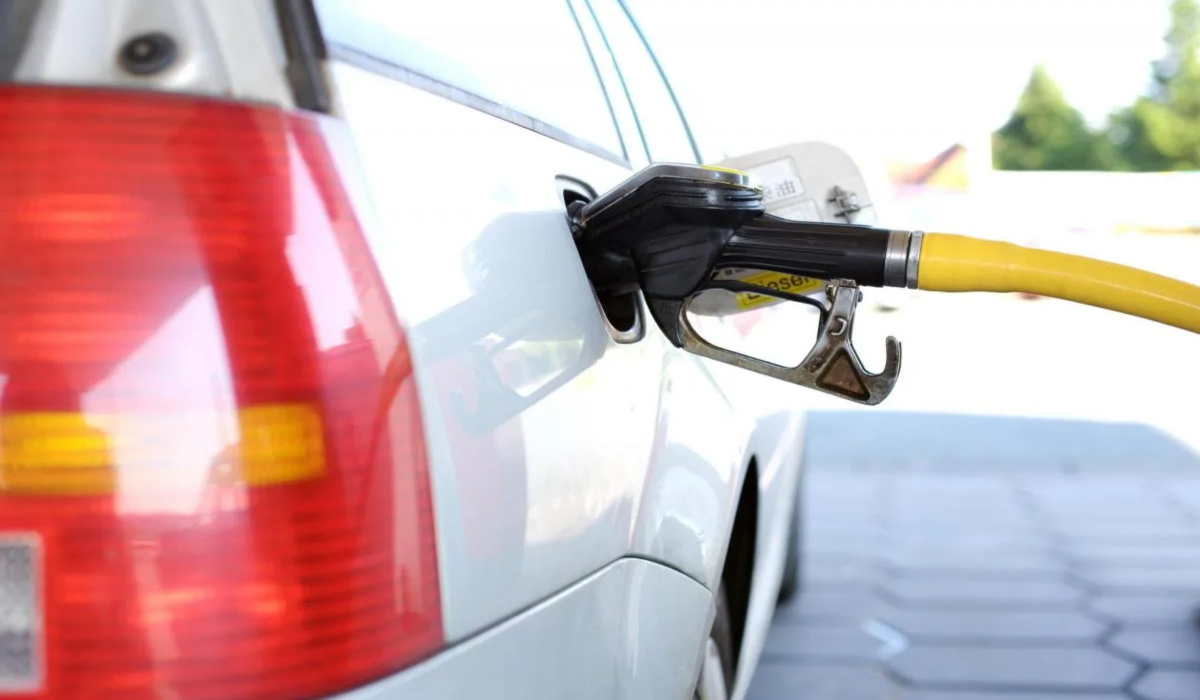
Fuel prices have shot into the stratosphere again, and—surprise, surprise—the petrol stations are behaving like they’ve never heard of the concept of downward price movement. When wholesale prices rise, they’re on it faster than a seagull on a dropped chip. But when prices fall? Suddenly every forecourt in Britain develops a mysterious, selective form of economic amnesia. Meanwhile, the digital display on the pump clings to last month’s peak price.

It’s almost impressive, the sheer athleticism with which petrol stations leap to adjust prices upwards. Oil goes up a fraction of a penny somewhere in the world and—bam—your local station has slapped another 5p on the litre before you’ve even finished your morning brew. But when oil drops? When global markets calm down? When analysts say prices should fall? Suddenly the pumps move slower than a pensioner counting out coppers at the till.

And the excuses. Oh, the excuses. “We’re still selling through old stock.” “Market volatility.” “Operational costs.” Translation: “We’ll drop the price when we’re good and ready, and not a moment sooner.”

Meanwhile, the rest of us are standing there, nozzle in hand, watching the numbers spin like a fruit machine that never pays out. You start wondering if you should remortgage the house just to fill the tank halfway. Or maybe take up cycling. Or maybe just embrace hermit life and never leave the driveway again.

The whole thing feels like a national sport: Pump Price Stickiness, sponsored by “We Know You’ll Pay It Anyway Ltd.”

Fuel prices soar. Petrol stations soar faster. Prices fall. Petrol stations take a long, contemplative nap.

The moral of the story… in the great British fuel game, the only thing that moves slower than the M25 is a petrol station lowering its prices!

Similar Posts

  • chance or intention?

    Many people believe that life originated from chance alone (the big bang) or through a chain of unguided events (evolution). This article takes a different view. It presents a Christian belief that God created the world and human life and that it is not a summary of scientific accepted opinion. Modern culture often treats random…

  • on the never never

    UK public sector debt in early 2026 By the start of 2026, the UK’s public sector net debt stood at roughly £2.87 trillion to £2.93 trillion, which was about 93% to 94% of GDP and the highest level seen since the early 1960s, with the burden working out at around £102,000 for each household across…

  • What’s in a name?

    God’s Personal Name People have names, so it makes sense that God does too. The Bible uses many titles for him, such as God, Lord, and Creator. Still, it also gives his personal name, Jehovah. “I am Jehovah. That is my name.”Isaiah 42:8 “May people know that you, whose name is Jehovah, You alone are…

  • capable or unable?

    Since the end of World War II, the international community has increasingly recognised that strong, effective systems of governance are essential for sustaining stability, peace, and long‑term security. The war’s devastation made it clear that political collapse and institutional failure can have consequences that spill across borders, prompting sustained efforts by global organisations, development agencies,…

  • empty gestures

    On 24 January 2002, leaders from all religions met in Assisi to pray for peace after the 11 September attacks. Pope John Paul II had called the meeting, as he had in 1986 and 1993. Christians, Muslims, Jews, Hindus, Buddhists, Sikhs, and others took part, while journalists and officials watched closely. A Day of Prayer…

  • ignore the bible at your own risk

    Consider this striking experience—a man in New York said, “I used to teach Sunday school in the Presbyterian church. After spending some time studying the Bible with Jehovah’s Witnesses, I approached my minister with questions about teachings like the Trinity. To my surprise, he couldn’t answer a single one of them from the Bible. He…