The Deep Questions Within Us
Why are we here? Where are we going? Does life have meaning? And how did we come to be here at all?
The earth is full of life. It exists in the darkest parts of the sea and on the highest mountain peaks. It survives in the frozen polar regions and in hot tropical forests. Life fills the open plains, and it also thrives in the “pastures of the sea”. It lives in water far above boiling point and in cold far below freezing. It survives high in the thin air above the earth, and also in the Mariana Trench, seven miles down in the ocean, where flat fish live under crushing pressure of seven tons per square inch.
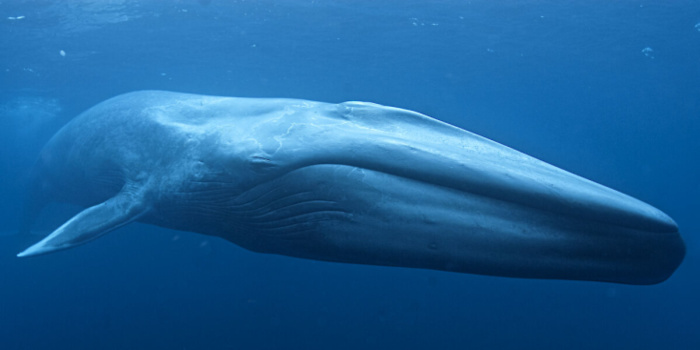
Life also varies greatly in size. It ranges from tiny bacteria, too small to see, to the blue whale, which can reach 100 feet in length and weigh 100 tons. Its tongue alone can weigh as much as an elephant. Yet what bacteria lack in size, they make up for in number. A single teaspoon of rich topsoil may contain five billion bacteria. Inside termites and cows, billions more make it possible for them to digest the cellulose in wood and grass.
Some scientists estimate that more microbes live on and inside each of us than there are people on earth. One researcher said that the total mass of microbes on earth may be about 20 times greater than the mass of all land animals. So life on earth exists in numbers far beyond anything we can count.
Yet bacteria do not ask these great questions. Whales do not ask them either. Nor do the countless trillions of living things between them. They do not ask why they are here, where they are going, whether life has meaning, or how life began.

People do ask. They have asked these things for centuries, and they keep asking. The reason is plain. Human beings are different. Our needs are different. A wide gulf separates people from every other living creature on earth. The fact that only humans raise these questions shows this clearly. In his book The Limits of Science, one scientist wrote that the limits of science appear in its inability to answer simple, childlike questions about first and last things, such as “How did everything begin?” “What are we all here for?” and “What is the point of living?”
Still, these questions do not go away. They return again and again. They press for answers. People seem to carry an inborn hunger to know. Scientists try to answer that hunger. But do they hold the key to the first great question, how did everything begin?