we’re no cheats
Retailers reject profiteering claims
Fuel retailers have hit back at government claims of profiteering after oil prices jumped during the US-Israel conflict with Iran, and they say the language has led to abuse of shop staff
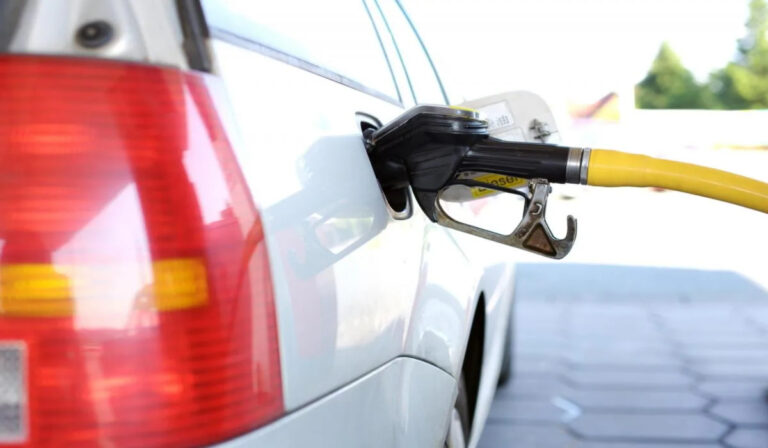
The RAC says petrol prices are now at their highest level for 18 months, which has brought fresh pressure on forecourt operators across the UK, but the Petrol Retailers Association, PRA, says talk of price gouging is wrong
Row before Downing Street meeting
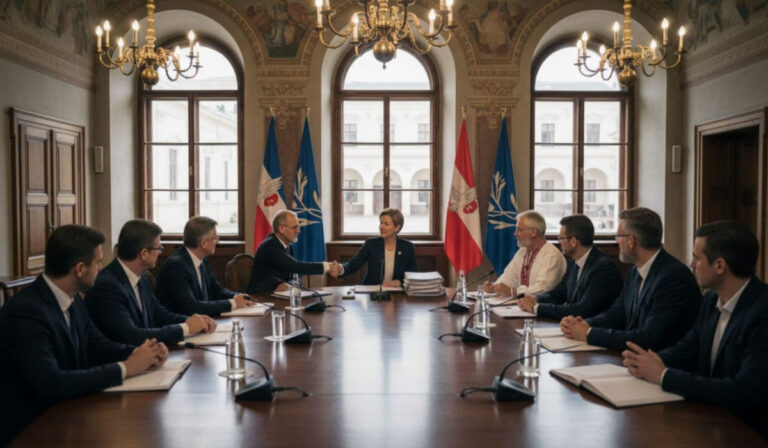
The PRA briefly threatened to boycott talks with Downing Street after ministers warned about fuel “rip offs”, although it later joined the meeting after rules on media access were clarified
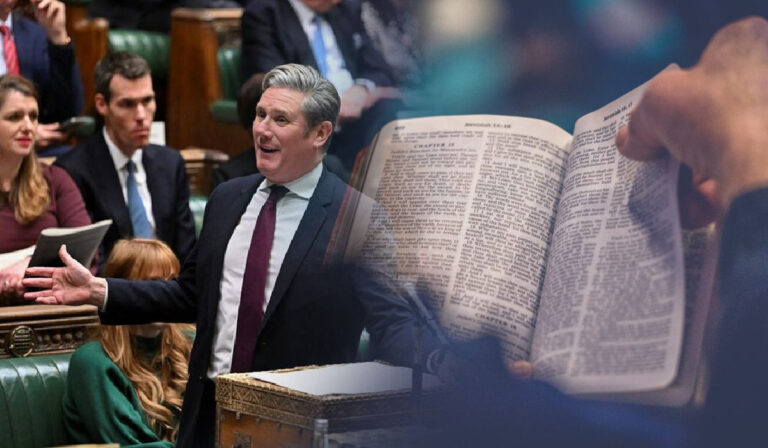
Before the talks, Energy Secretary Ed Miliband said the government wanted: “… consumers treated fairly during this crisis“, while Sir Keir Starmer wrote, “If fuel companies try to rip off customers, my government will step in. We will not tolerate unfair practices, price gouging“
After the meeting, the PRA said discussions were constructive
PRA says staff have faced abuse
PRA director Gordon Balmer said some retail workers had been abused by the public because of the language used in the debate, and he blamed terms such as “rip offs” and “profiteering” for stirring anger
Prices stay under scrutiny
In December, the CMA said competition between petrol stations was still weak and retailer margins remained high, and it had earlier found “rocket and feather” pricing, where pump prices rise fast when wholesale costs go up but fall slowly when costs drop. The watchdog hasn’t said profiteering is happening in the current price spike, but it is looking into it
RAC figures show average petrol prices have risen to 140.60p a litre from 132.83p before the war, while diesel has climbed to 159.18p from 142.38p Simon Williams of the RAC said drivers should be treated fairly, especially while pump prices are still rising
Why forecourt prices differ
Rachel Reeves pointed to big price gaps between forecourts and urged drivers to use the government’s Fuel Finder tool
Retailers say those gaps happen because some sites buy fuel weeks in advance, so recent oil rises haven’t yet hit their pumps, while others buy at daily market rates and pass on higher costs much faster
Wider energy pressure
The government is also under pressure over energy policy as higher oil prices raise fears about bills, especially while disruption continues in the Strait of Hormuz
Some firms want more North Sea drilling, but Miliband rejected that and said the UK should keep using existing fields without approving new ones He said new licences won’t cut bills and argued the country must move away from the “fossil fuel rollercoaster” towards “clean, homegrown power that we control“
He is also starting a fast-track process for new nuclear power stations, while the Green Party backed a move away from fossil fuels and called for more home insulation and a proper windfall tax on oil and gas firms