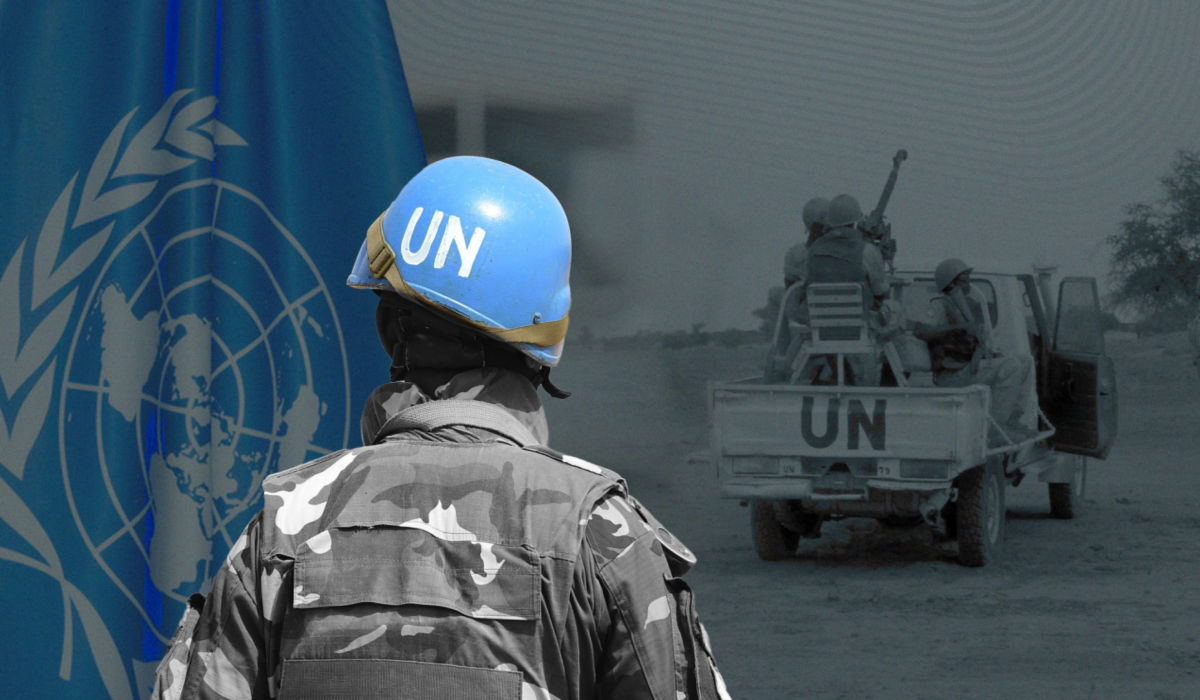
UN success?
The United Nations (UN) has a mixed record. It has achieved real success in humanitarian aid and peacekeeping, yet its failures are also serious and well documented. Critics often highlight its inability to stop mass atrocities, the deadlock within the Security Council, and scandals involving staff as some of its deepest weaknesses.
Major historical failures
During the Rwanda genocide in 1994, the UN Assistance Mission for Rwanda (UNAMIR) failed to stop the slaughter of about 800,000 people. Early warnings were missed, and troops lacked the authority to intervene. As a result, the mission became a clear example of international failure.
In Srebrenica in 1995, UN peacekeepers had declared the area a safe zone. However, they did not stop Bosnian Serb forces from killing more than 8,000 Bosnian Muslim men and boys. That failure remains one of the darkest moments in UN peacekeeping history.
The UN mission in Somalia during the 1990s also fell short. It could not keep aid routes secure, suffered heavy casualties, and eventually withdrew without restoring peace. Because of that, the operation is still widely seen as unsuccessful.
In Cambodia, between 1975 and 1979, the UN failed to respond effectively to the Khmer Rouge genocide. Around 2 million people died, yet the international response lacked urgency and force.
Contemporary challenges and failures
More recent missions have faced many of the same problems. In Mali, the MINUSMA mission withdrew in 2023 after the military government viewed it as ineffective. It also failed to reduce violence from extremist groups, despite being one of the deadliest UN peacekeeping operations.
In South Sudan, where conflict has continued since 2013, UNMISS has faced strong criticism. It has struggled to protect civilians and humanitarian compounds, and many observers have described its response as too passive.
Darfur and wider Sudan show similar limits. The UN has not been able to halt atrocities fully or shield civilians from harm. Meanwhile, violence and displacement have continued for years.
Syria offers another example of UN weakness. Since 2011, the Security Council has made little progress towards ending the conflict. The veto power of permanent members has blocked action time and again, because key states back opposing sides.
Systemic and operational failures
Some problems go beyond a single mission. Allegations of sexual exploitation and abuse have involved UN staff in several operations, including in the Central African Republic and Haiti. These cases have badly damaged trust and weakened the organisation’s credibility.
In Haiti in 2010, peacekeepers from Nepal were linked to the introduction of cholera after the earthquake. The outbreak caused widespread suffering, yet the UN initially resisted accepting responsibility. That response added to public anger and mistrust.
Structural problems also limit what the UN can do. The permanent members of the Security Council can use their veto to block strong action, especially when their own interests are at stake. Because of this, urgent crises often go unanswered.
Peacekeeping missions face practical limits as well. Many are understaffed, poorly equipped, and given weak mandates. In other words, they are often sent into dangerous situations without the tools needed to stop mass killing.
Note: While these incidents constitute significant failures, studies suggest that UN peacekeeping is often effective in preventing the recurrence of civil wars in other scenarios.