70 is the new 40
70 is the new 40. That’s what they say. In the UK in 2026, it points to a visible shift, because many older people look and live differently from the generations before them.
It is more about an active, healthy, confident later life. Age still matters, and health still varies. Yet for many people, later life now means more freedom and better fitness, rather than retreat from everyday life.
People are living longer, healthier lives
Better treatment and more health advice have changed the picture. Many people reach their 70s still walking often, managing long-term conditions better, and staying independent at home.
Many also work or volunteer past 60. For a significant number of adults, healthier food, less smoking, and regular exercise have paid off over time.
Old-fashioned ideas about ageing are fading
Society has shifted also. Turning 70 no longer means you are expected to slow down or disappear from public life.
Retirement is more relaxed now, with more room for work, caring, and travel. Still, this trend is not universal. Long NHS waits, chronic illness, loneliness, and unequal health conditions still shape later life across the world.
Fitness, travel, and hobbies are still on the menu
Walk around many towns and you can see the change. Over-70s fill walking groups, pools, golf courses, dance classes, gardens, and community halls.
Some book coach trips. Others join gyms, learn crafts, or care for grandchildren with energy older stereotypes never allowed. Many keep busy on their own terms because life still feels open.
Style and confidence matter more than ever
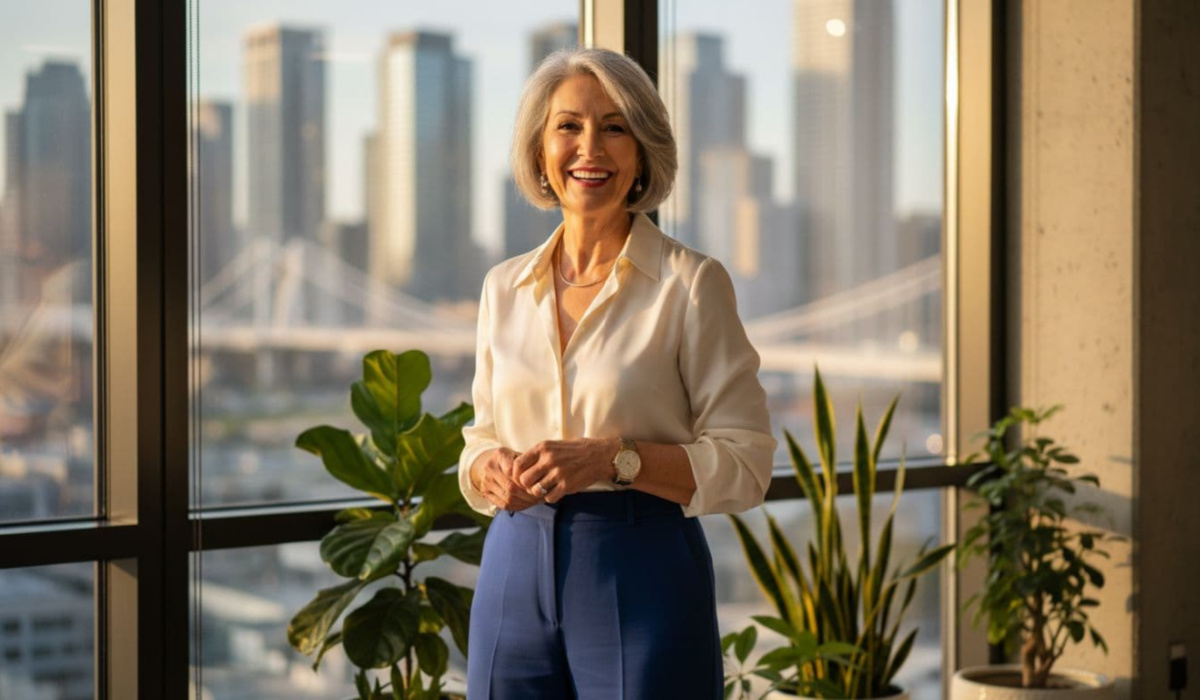
Active living is often social, and style is part of that. Older adults are less willing to fade into beige and more likely to choose clothes that feel modern, comfortable, and fashionable.
Confidence shows in small ways, from a bright coat to a fresh haircut. Staying current is about feeling like yourself.
Keep moving, keep learning, keep connecting
The lesson for younger people is simple. Ageing well starts early. Daily walks, strength work, decent sleep, interests, and strong friendships matter long before 70 comes along.
A full later life is built slowly, through habits that seem small at the time. That is the real value of this idea.
Age with confidence instead of fear
Mindset matters too. Fear makes age look like loss, while confidence makes room for purpose, style, humour, and change.
People who expect to stay engaged are more likely to protect their health and keep learning. Longer lives ask us to plan for stamina, not only youth.
Conclusion
Calling 70 the new 40 is not a literal claim. It is a wider cultural shift in the UK in 2026. More people stay active and self-assured for longer. That’s worth celebrating while keeping sight of the gaps that still hold many back. Later life looks different now, and ageing can still feel full.