brexit – the farage folly
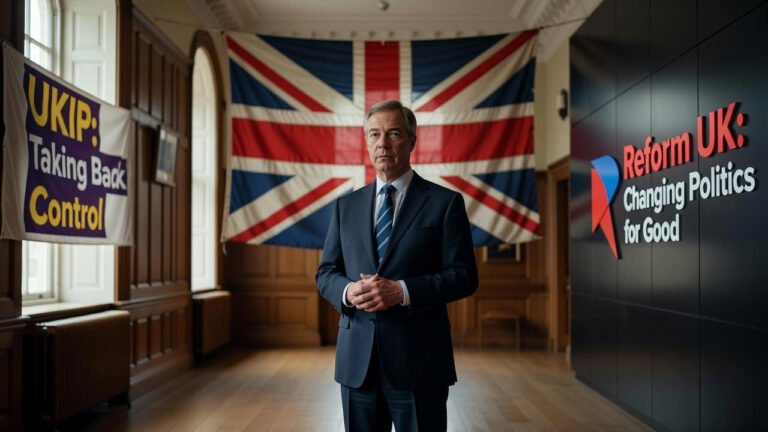
Nigel Farage drew on populist messaging, anti-establishment frustration, and a sharp emphasis on immigration to persuade a majority of British voters to support Brexit in 2016. Instead of leaning solely on technical economic arguments, his political approach tapped into cultural grievances, a common man persona, and provocative imagery to rally voters who felt overlooked by mainstream politicians.
The Core Tactics of the Leave Campaign
The Immigration Pivot
When general economic debates stalled, Farage and the unofficial Leave campaigns shifted the national conversation heavily toward border control, using controversial visuals like the Breaking Point poster to stoke fears around high migration numbers.
The Anti-Establishment Persona
Farage framed the referendum as a battle between everyday working people and a distant, self-interested political elite in London and Brussels.
“Taking Back Control”
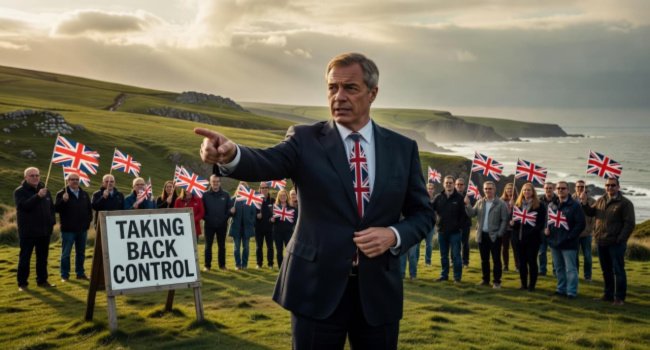
This simple, highly effective three-word slogan condensed complex international trade and legal relationships into a powerful emotional demand for national sovereignty.
The “Pub Bore” Authenticity
By projecting the image of an approachable, pint-drinking regular rather than a polished, traditional politician, Farage successfully connected with audiences who distrusted institutional experts.
While mainstream economists and political leaders warned of severe downturns, the Leave movement’s emotional and identity-driven narrative proved more resonant at the ballot box. Critics argue it relied on misleading promises and xenophobic undertones, while supporters maintain it was a necessary democratic disruption to reclaim national autonomy.
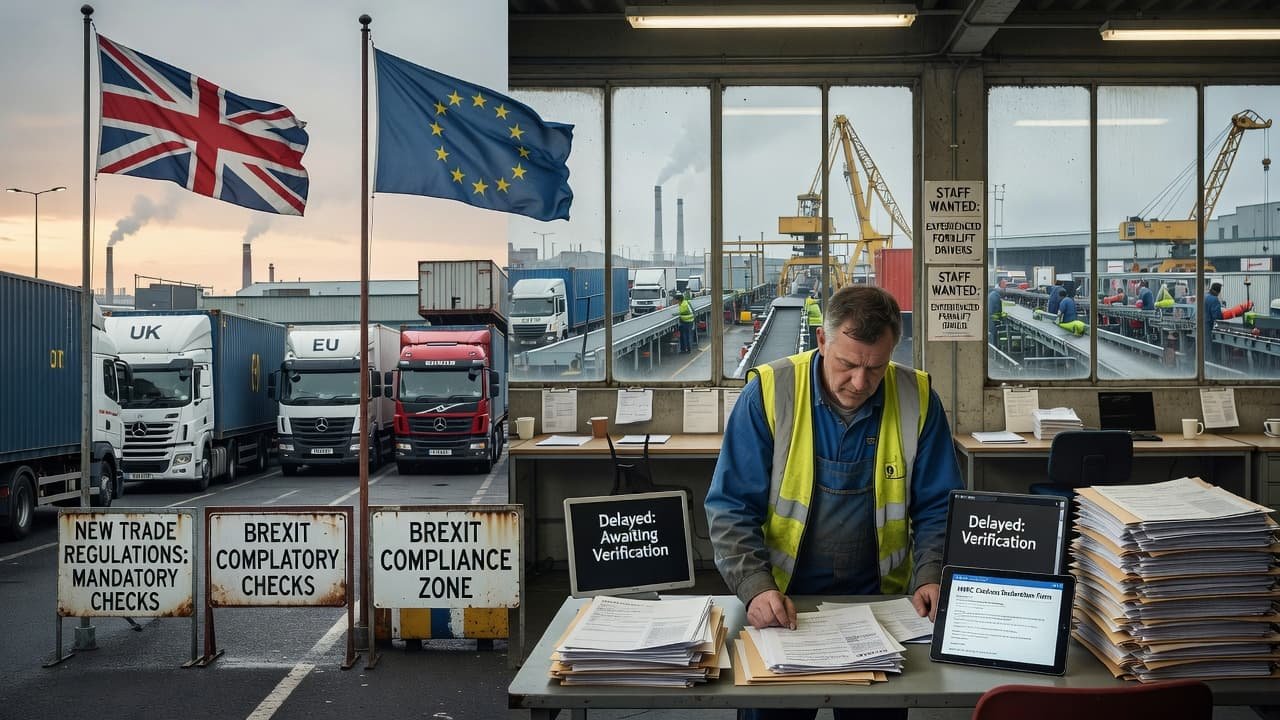
Brexit (2016 onwards): Leaving the European Union introduced long-term non-tariff trade barriers, labour shortages, and sluggish productivity growth despite promises of economic renewal.